Jet fuel prices may take months to stabilise despite the Strait of Hormuz reopening, IATA warns, as Middle East war disruptions to refining capacity continue to impact global aviation costs.
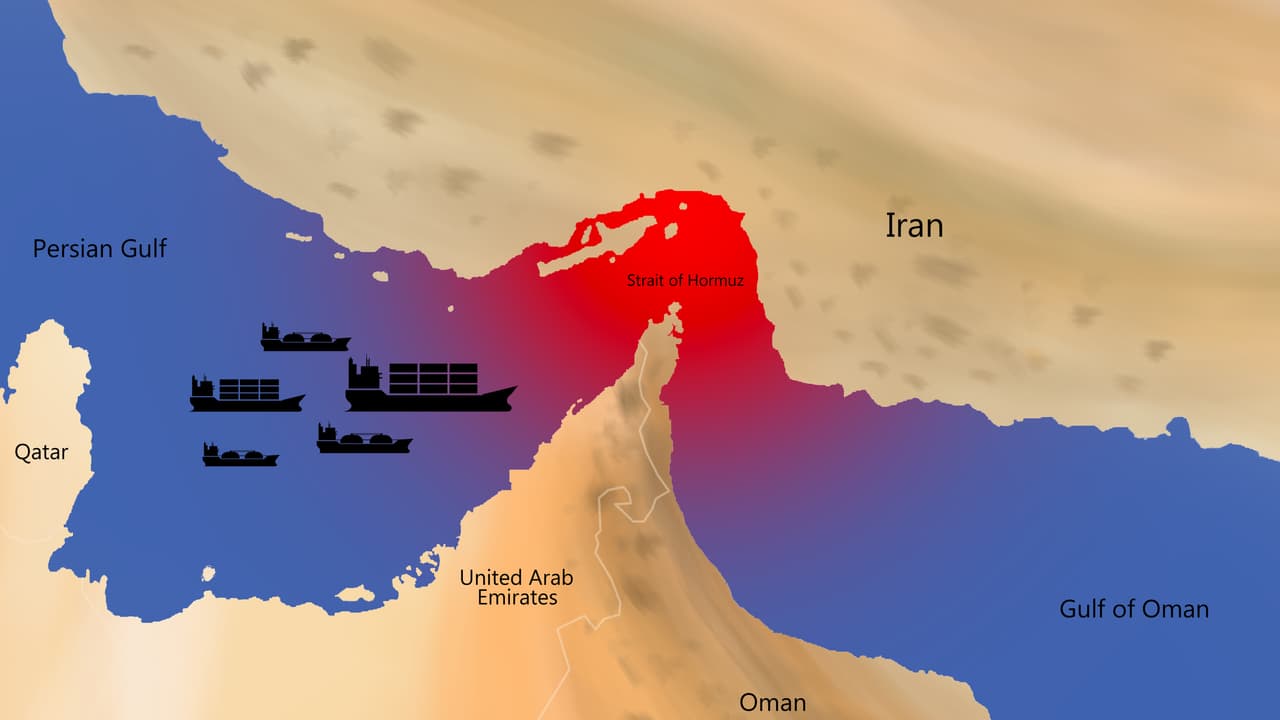
It will take months for jet fuel supplies and prices to normalise even with the Strait of Hormuz open, the head of the International Air Transport Association (IATA) said Wednesday. The Strait of Hormuz, a vital shipping route for oil, has been virtually paralysed for weeks by the Middle East war, pushing up prices for crude and related products.

IATA director general Willie Walsh told reporters in Singapore it was difficult to say how long fuel supplies would take to recover, but "it's not going to happen quickly".
"It will still take a period of months to get back to where supply needs to be given the disruption to the refining capacity in the Middle East," he said.
Related Articles

"I don't think it's going to happen in weeks," Walsh added.
Oil Prices Dip, But Challenges Remain
Oil prices plunged on Wednesday after the United States and Iran agreed to a two-week ceasefire that will see Tehran temporarily reopen the Strait of Hormuz.
The ceasefire was agreed barely an hour before US President Donald Trump's Wednesday deadline threat to obliterate Iran was set to expire.
Tehran later said it had agreed to safe passage in the Strait of Hormuz, through which a fifth of global oil and gas passes.
"Even if you have the flow of crude start again, if you've had disruptions in refining capacity, then the problem continues for some time," Walsh said.
"I don't think everybody fully appreciated how concentrated the capacity was in certain parts of the world," he added.
Past experience shows that the aviation industry will respond to higher oil prices by raising ticket prices, he said. "It's inevitable."
While some air traffic that would have passed through the Middle East has gone to airlines outside the region, this is "a temporary issue", Walsh said.
"There's no way they can replace the capacity that was provided by the Gulf carriers," he added.
“I think the Gulf hubs will recover and recover very quickly.”
(Except for the headline, this story has not been edited by Asianet Newsable English staff and is published from a syndicated feed.)