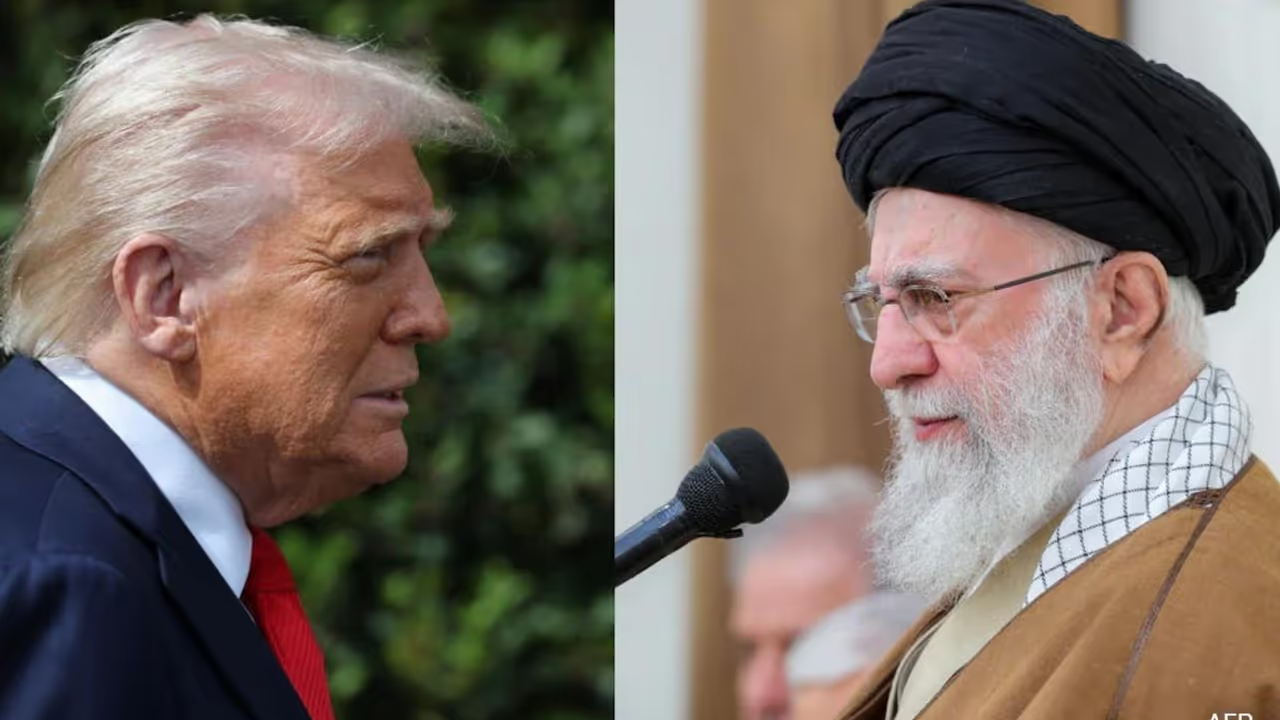
A report says the US once considered targeting Iran’s Supreme Leader Khamenei and his son during heightened tensions. The plan was never approved but highlights the severity of the geopolitical standoff.
A recent report has sparked global attention by suggesting that the United States had, at one point, considered a highly controversial and extreme option—targeting Iran’s Supreme Leader, Ayatollah Ali Khamenei, along with his son. While no such action was carried out, the revelation highlights the depth of tensions between Washington and Tehran and underscores the volatile nature of geopolitical strategy in the Middle East.

According to the report, discussions around such a move were part of broader contingency planning rather than an imminent or approved operation. Governments often explore a wide range of strategic options during periods of heightened conflict, and this scenario appears to have been one among many evaluated in response to escalating hostilities and security concerns involving Iran.
The mention of Khamenei’s son is particularly significant, as he is often seen as a potential successor, making any threat against him symbolically and politically impactful. Analysts believe that even the consideration of such actions reflects the seriousness with which the US views Iran’s regional influence, nuclear ambitions, and alleged involvement in proxy conflicts.
Related Articles

However, experts also warn that targeting top leadership figures could have triggered severe consequences, including regional escalation, retaliation, and long-term instability. Such actions would likely violate international norms and risk drawing the US into a broader conflict in the region.
The report does not indicate that the plan progressed beyond internal discussions, nor does it confirm official approval at the highest levels. Instead, it sheds light on the kind of strategic deliberations that occur behind closed doors during tense geopolitical standoffs.
Ultimately, the revelation serves as a reminder of how fragile global security can be and how quickly diplomatic tensions can evolve into serious military considerations. It also raises questions about the balance between national security strategies and adherence to international law and norms in an increasingly complex world order.