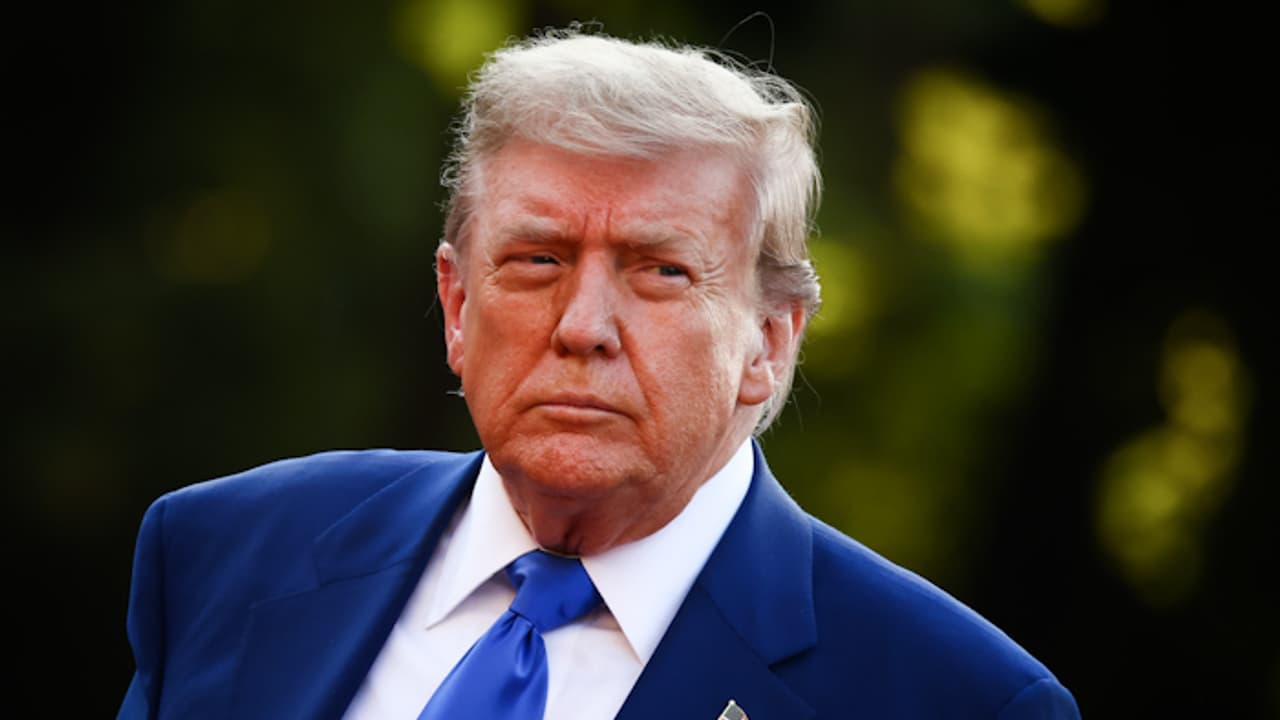
After the Supreme Court invalidated his prior tariffs for exceeding authority, President Trump raised global tariffs to 15%. He used the Trade Act of 1974 to impose new temporary duties, aiming to protect US industries from unfair trade.
In a dramatic escalation of his trade policy, US President Donald Trump has raised global tariffs from 10% to 15%, just a day after the US Supreme Court struck down his earlier sweeping tariff measures. The court ruled that Trump had exceeded his authority by using emergency powers under the International Emergency Economic Powers Act (IEEPA) to impose broad import duties, marking a significant legal setback for his economic agenda.

Undeterred by the ruling, Trump quickly announced a fresh tariff plan using Section 122 of the Trade Act of 1974, a provision that allows temporary tariffs of up to 15% for 150 days without congressional approval. This move enables his administration to maintain pressure on global trade partners while working on a more permanent and legally sustainable framework.
Trump defended the decision by arguing that higher tariffs are necessary to counter what he describes as unfair trade practices by other countries and to protect American industries and jobs. He has repeatedly maintained that foreign nations benefit disproportionately from trade with the United States and that stronger measures are needed to rebalance the system.
Related Articles

However, the decision has sparked widespread concern both domestically and internationally. Critics, including business groups and global leaders, warn that the tariff hike could disrupt supply chains, increase costs for consumers, and strain economic ties. Several countries are reassessing their trade strategies, while some have hinted at possible retaliatory measures.
The Supreme Court ruling itself is seen as a landmark moment, placing clear limits on presidential authority in trade matters. It has also opened the door for potential refund claims from businesses that paid billions in tariffs under the now-invalidated policy.
Despite the legal setback, Trump’s swift policy shift signals his determination to continue a protectionist trade approach. Analysts warn that this ongoing tussle between legal constraints and aggressive tariff strategies could heighten global economic uncertainty, with long-term implications for international trade and diplomatic relations.