
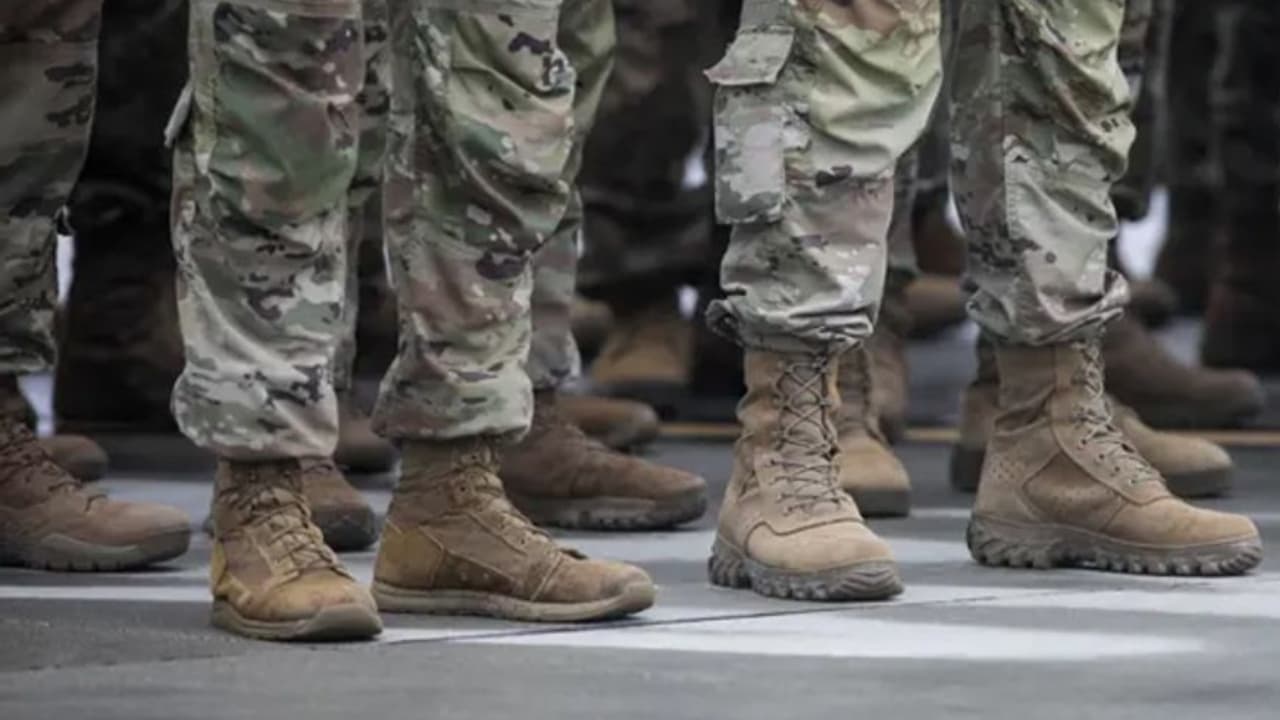
Amid rising tensions with Iran, the United States is preparing to deploy at least 1,000 additional troops to the Middle East. These rapid-response soldiers are intended to provide flexibility and protect US interests. This military reinforcement is part of a dual strategy that also involves pursuing diplomatic channels to de-escalate the conflict.
The United States is preparing to send at least 1,000 additional troops to the Middle East as tensions linked to the Iran conflict continue to intensify, highlighting a strategy that blends military readiness with ongoing diplomatic efforts.

The troops are expected to be drawn from the elite 82nd Airborne Division, a rapid-response force known for its ability to deploy quickly into high-risk environments. Officials indicated that the soldiers could be mobilised on short notice, adding to the tens of thousands of US personnel already present across the region.
The division specialises in fast, flexible operations, including securing critical infrastructure such as airfields and supporting combat missions if required. Its potential deployment signals the seriousness of the current situation, even as no final order to deploy has yet been confirmed.
The move comes amid ongoing hostilities involving Iran, with the region witnessing heightened military activity, including airstrikes and missile exchanges. At the same time, Washington is continuing diplomatic outreach, with discussions around a possible ceasefire or negotiated settlement still on the table.
US President Donald Trump has indicated that communication channels may be active, saying the US is “in negotiations right now” and adding that “the other side… they’d like to make a deal.” His remarks suggest that despite rising tensions, there may still be room for dialogue.
Also Read: Report: US gives Iran 15 conditions, Jerusalem fears ‘framework deal’
However, Iran has publicly denied that it is engaged in direct talks with the United States, underscoring the gap between the two sides’ positions and adding uncertainty to the situation.
Officials say the planned troop movement is intended to provide “maximum flexibility” in responding to rapidly evolving developments on the ground. This includes protecting US interests, supporting regional allies, and preparing for a range of potential scenarios if the conflict escalates further.
In addition to the possible deployment of airborne troops, the US has been reinforcing its military posture in the region through naval and air assets. These measures are aimed at strengthening deterrence and ensuring readiness without immediately committing to full-scale escalation.
The developments reflect a careful balancing act. While the preparation to deploy elite forces signals heightened alertness, ongoing diplomatic signals indicate that the US is still exploring ways to reduce tensions. For now, the situation remains fluid, with both military and diplomatic tracks unfolding simultaneously.
Also Read: US, Israel grant immunity to top Iran officials for ongoing talks: Report
