
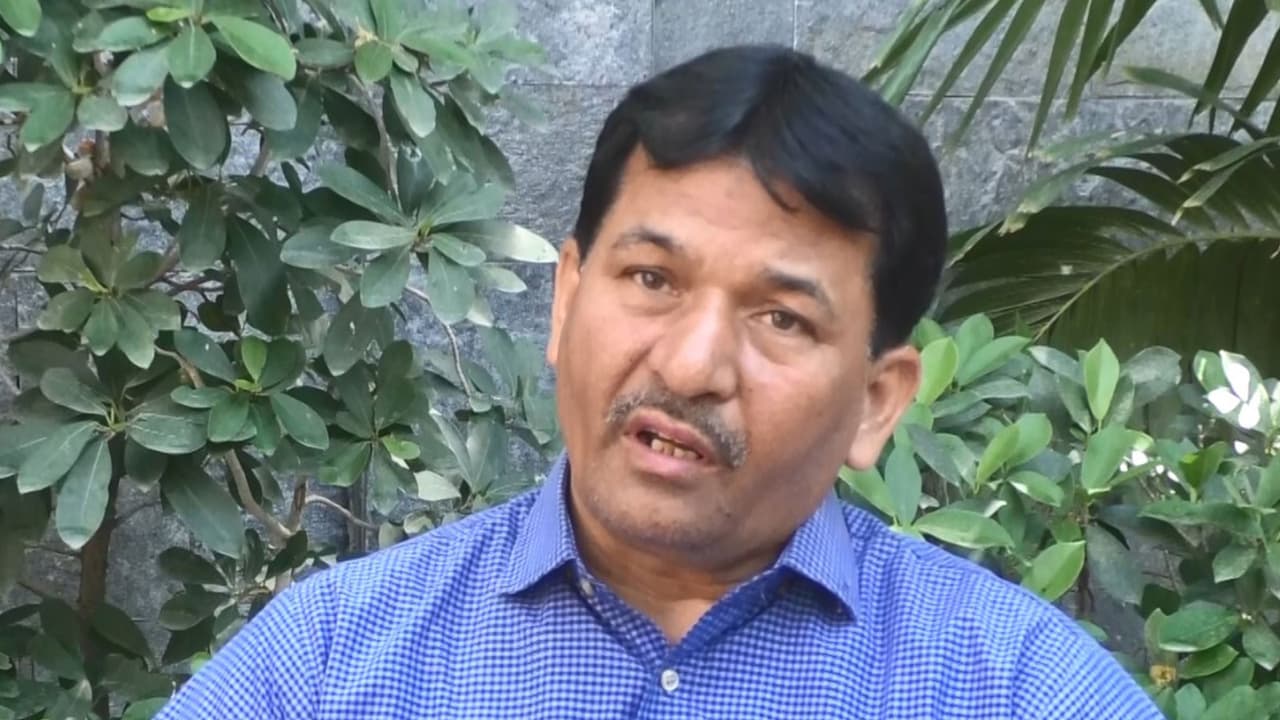
As Iran-US tensions rise, experts fear severe economic and social consequences for Pakistan. Journalist Shams Kerio warns that a failure in negotiations could trigger inflation, disrupt trade, and collapse Pakistan's already fragile economy.
As tensions escalate between Iran and the United States, serious concerns are emerging over the potential fallout on Pakistan, with experts warning of severe economic and social consequences if negotiations fail.

Speaking in an interview with ANI, senior Karachi-based journalist Shams Kerio said the ongoing negotiations--largely focused on Iran's nuclear programme--have been undermined by recent developments, including alleged military actions during the dialogue process. He questioned the credibility of such talks, asking what guarantees exist that similar actions will not be repeated. Kerio stressed that war is not a solution and urged both sides to return to the negotiating table. "Issues can only be resolved through dialogue, not conflict," he said, adding that Iran seeks credible assurances to rebuild trust in the process.
Economic Vulnerability of Pakistan
Focusing on Pakistan, Kerio warned that any breakdown in negotiations could further strain the country's already fragile economy. He noted that Pakistan's dependence on regional trade and oil imports makes it highly vulnerable to disruptions, which could trigger inflation and economic instability. He also highlighted structural challenges, including high government expenditure and limited financial reserves. According to him, tighter fiscal management and reduced spending are crucial to control inflation, especially during a crisis.
Disproportionate Impact on the Poor
Rising fuel prices, he said, would disproportionately impact the poorest sections. "Daily wage workers are already struggling. If petrol prices rise further, food insecurity and unemployment will worsen," he noted, adding that agriculture and industry are already under pressure due to rising input costs.
Warning of Wider Conflict
Kerio cautioned that a prolonged conflict could escalate beyond the region, with countries like Russia and China potentially getting involved, raising the risk of a wider global confrontation. "If the war continues, Pakistan's economy could collapse due to lack of reserves and weak financial accountability," he warned, adding that the burden would fall heavily on ordinary citizens.
Path to a Peaceful Resolution
However, he expressed cautious optimism that a peaceful resolution could stabilise the situation. "If negotiations succeed and the war ends, there is a chance for gradual recovery," he said.
Kerio concluded that meaningful progress depends on a shift in approach, particularly from the United States. "Peace is possible only with sincerity, trust and a commitment to dialogue," he added. (ANI)
(Except for the headline, this story has not been edited by Asianet Newsable English staff and is published from a syndicated feed.)