
Brazil is set to tighten state control over its strategic mineral resources, including rare earths, following a controversial mine sale to a US firm. A new National Rare Earth Policy will create a high-level council to approve strategic asset sales.
In a significant policy shift aimed at safeguarding national interests, the government of Brazil is advancing plans to strengthen state oversight of its strategic mineral resources. The move follows controversy surrounding the sale of the Serra Verde mining company to a United States-based firm, raising concerns about foreign control over critical assets.

New Policy to Ensure National Sovereignty
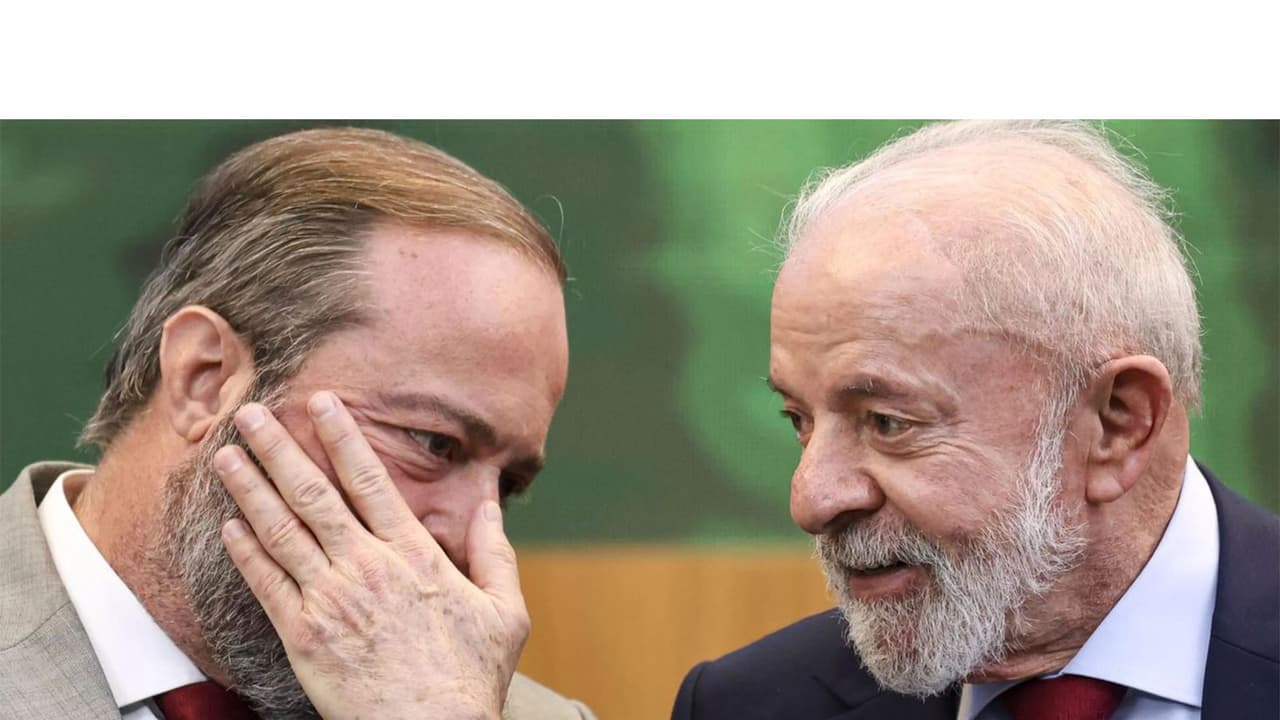
Energy and Mines Minister Alexandre Silveira announced that a comprehensive National Rare Earth Policy will be presented to President Luiz Inacio Lula da Silva on Wednesday. The policy aims to ensure national sovereignty over rare earth elements, key components in high-tech industries and clean energy technologies, as reported by Brasil 247 Central to the proposal is the creation of a National Council for Mineral Policy, a high-level body comprising 16 ministers. The council will be tasked with reviewing and authorising any transactions involving assets deemed strategic, effectively preventing unilateral sales without federal scrutiny. This marks a major shift in mining governance, bringing critical decisions under direct government oversight.
Focus on Domestic Industrial Capacity
The policy also focuses on boosting domestic industrial capacity. By encouraging local processing of rare earth elements, Brazil aims to reduce its reliance on external markets and move up the value chain. The initiative includes provisions for technological development within the country and mandates technology transfer in international collaborations.
Geopolitical Context and Strategic Repositioning
The Pela Ema mine in Goias, one of the few significant sources of heavy rare earth elements outside Asia, has further underscored the importance of the sector. Against the backdrop of intensifying global competition--dominated by China and increasingly contested by the United States--Brazil is seeking to reposition itself as more than just a raw material supplier.
If approved, the policy is expected to form the basis for new legislation, signalling a more assertive state role in managing resources vital to the country's economic and technological future. (ANI)
(Except for the headline, this story has not been edited by Asianet Newsable English staff and is published from a syndicated feed.)