War-time Tehran turns into a canvas of defiance as striking murals target the US and Israel, showcasing Iran’s ideological messaging, military symbolism, and revolutionary pride amid escalating tensions.
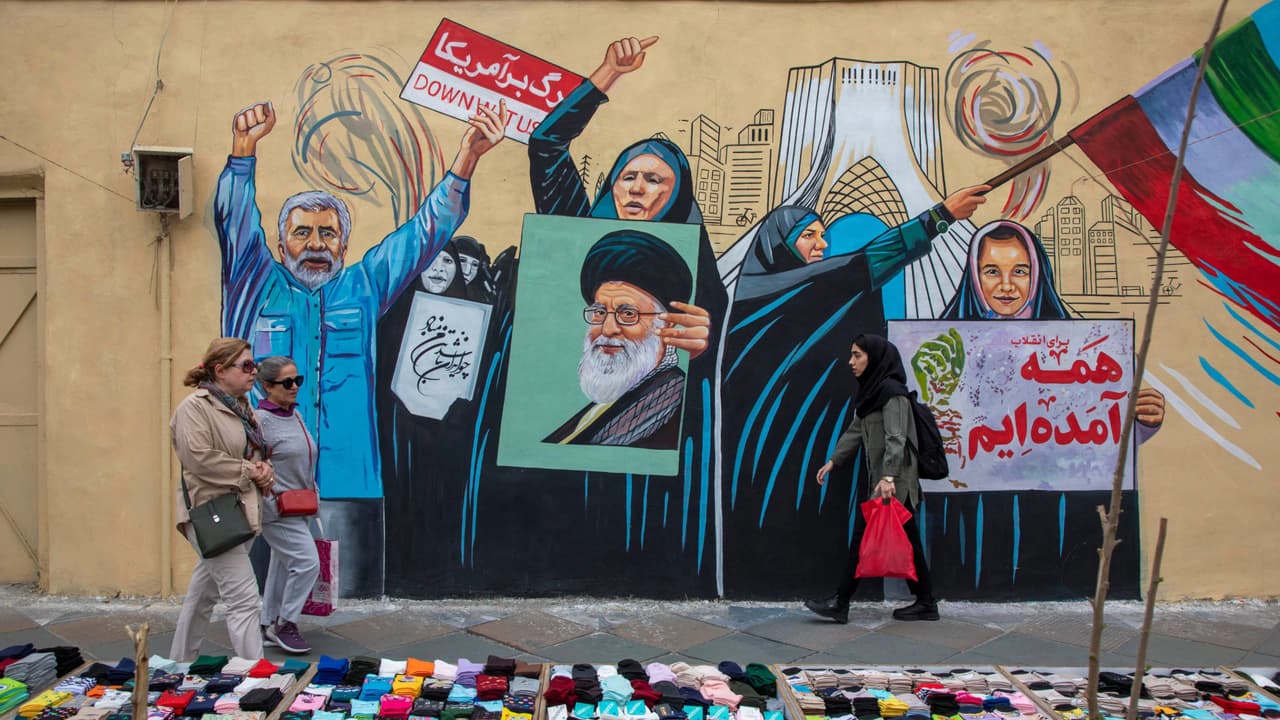
Since the outbreak of war between Iran, Israel and the United States, colourful murals have sprung up across capital Tehran and other major cities, rich in symbolism and themes of resistance and defiance.

Murals and banners have long been a defining feature of Iran's urban landscape, particularly in Tehran, where such paintings in central squares mirror the state's political messaging and foreign policy.
Related Articles

Murals as Tools of Political Messaging
Since the 1979 revolution which established the Islamic republic, such imagery has served as a medium to reflect ideology and collective memory.
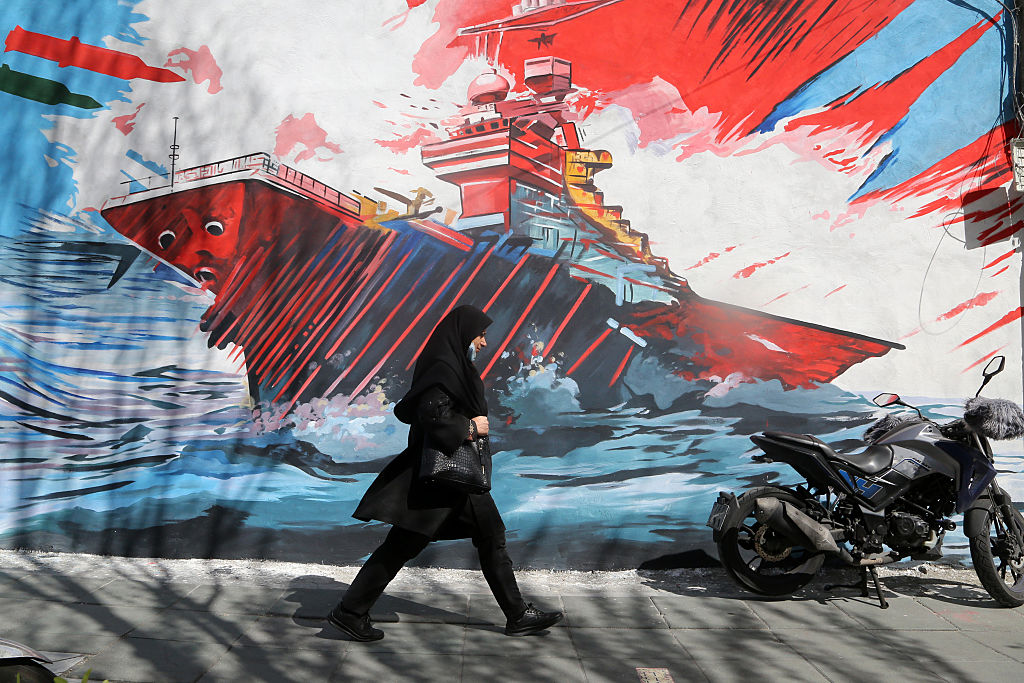
In recent days, a mural in Tehran showed a US aircraft carrier carrying rows of coffins draped in American flags, surrounded by small Iranian-flagged boats and a helicopter.
The image evoked dominance at sea, as Iran's armed forces continue a blockade of the strategic Strait of Hormuz, a conduit for a fifth of the world's oil and liquefied natural gas in peacetime.
Another mural depicts a man raising both arms, each wrapped in the Iranian flag, his hands forming a heart.
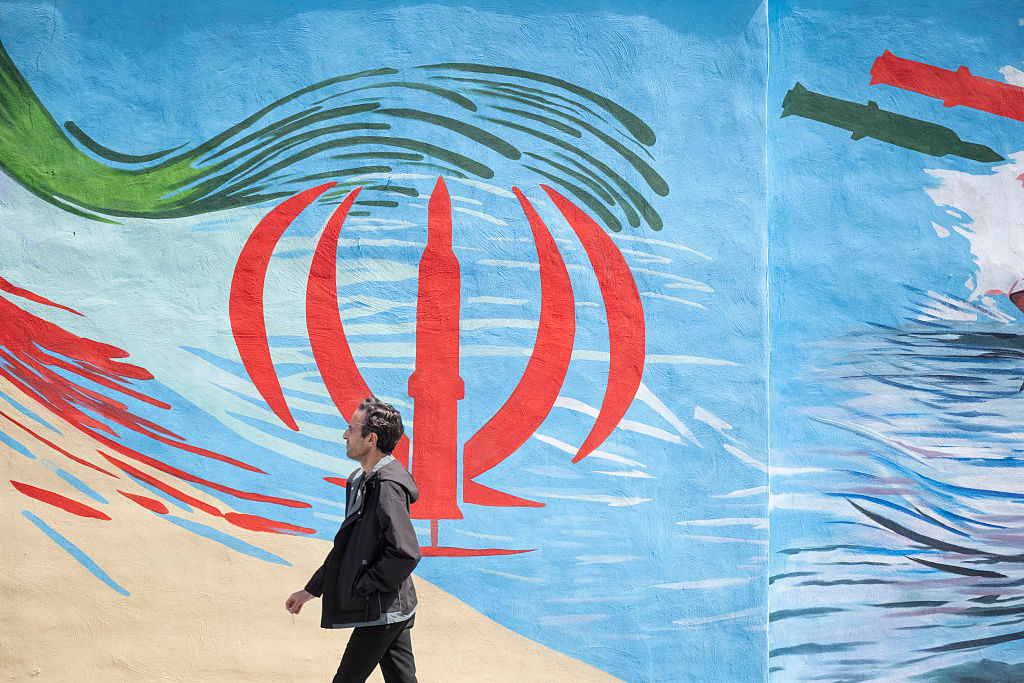
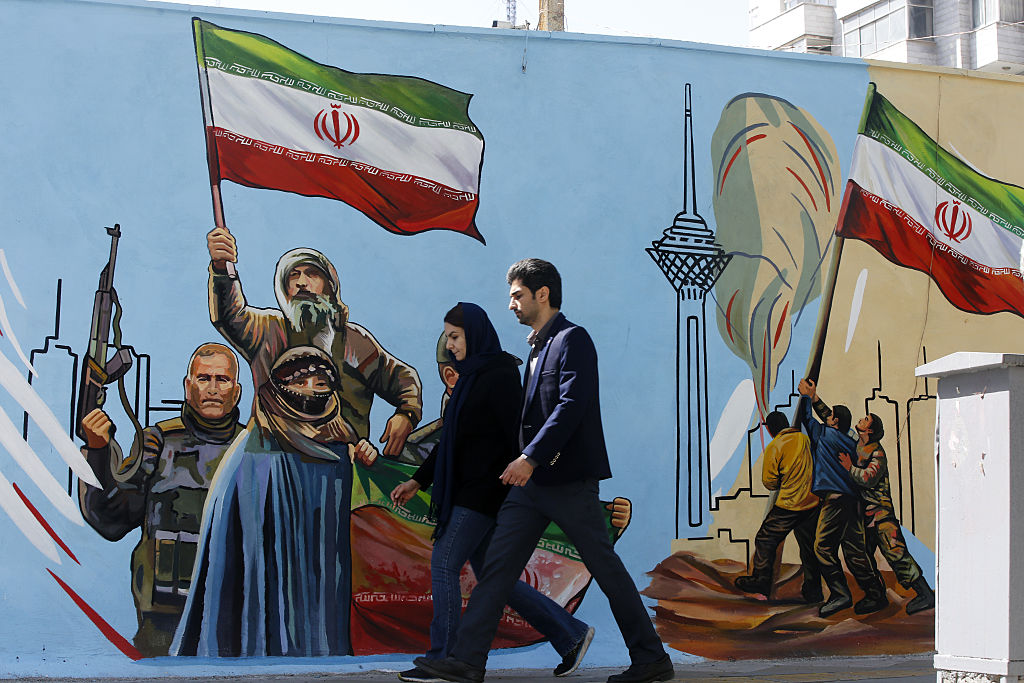
Another shows the Iranian flag flowing across the wall with its tulip-shaped emblem bearing a missile in its centre, while a young woman carries a banner reading: "We have all come for the revolution," referencing support for the 1979 Islamic revolution.
Elsewhere, a mural traces a line of clerical leadership in Iran.
From Khomeini to Mojtaba: Leadership in Art
It begins with founder of the Islamic republic Ruhollah Khomeini, followed by Ali Khamenei, who was killed in the opening US-Israel attack of the war on February 28, and culminating with his successor and son Mojtaba Khamenei.
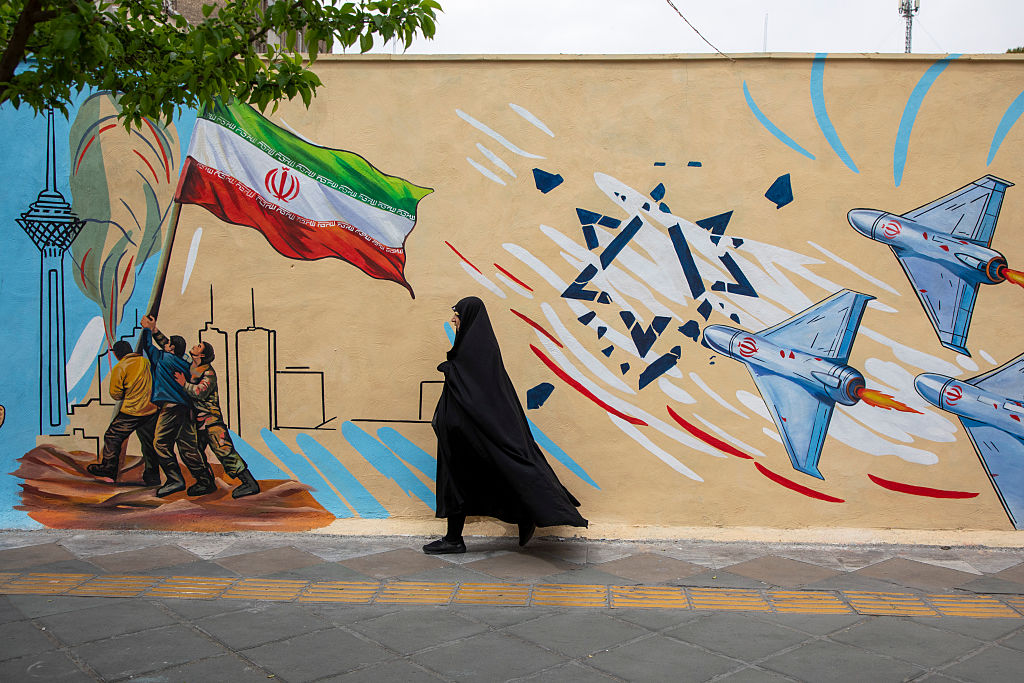
Separate works depict Iranian drones shattering the Star of David, the emblem of Israel's flag, while one mural shows demonstrators gathered before Azadi Square, chanting "Death to America," with one holding a portrait of Ali Khamenei.
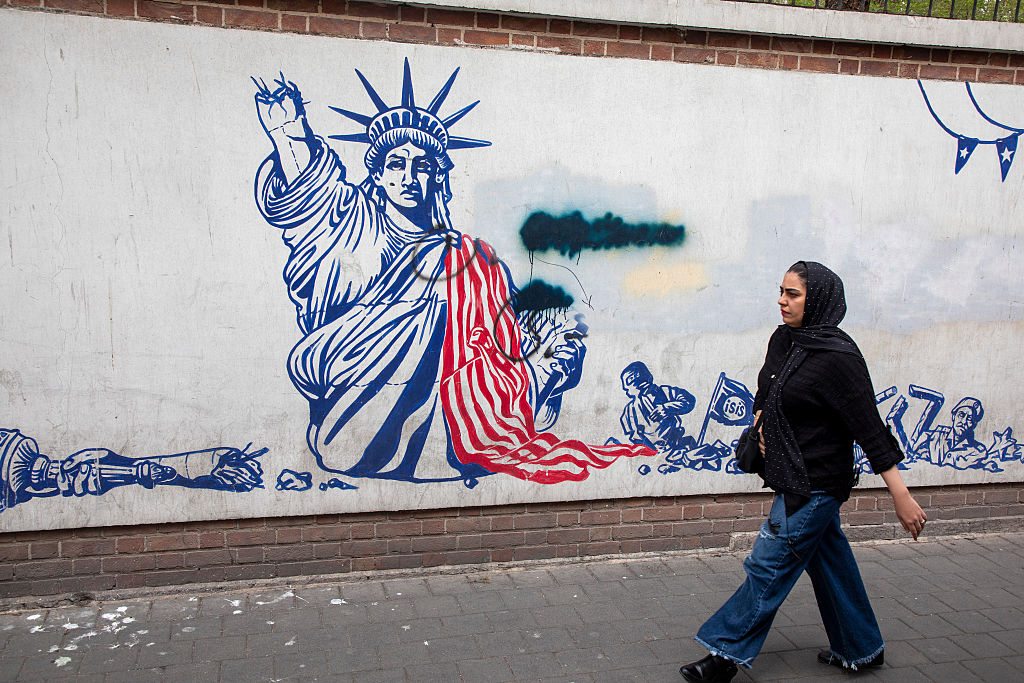
Among the most striking long-standing anti-US murals are those around the former US embassy in central Tehran, now a museum known as the "Den of Spies."
One depicts a fractured Statue of Liberty with a broken arm surrounded by scenes of destruction, while another shows the US flag with skulls replacing its stars.
(Except for the headline, this story has not been edited by Asianet Newsable English staff and is published from a syndicated feed.)