Liver disease is no longer limited to alcohol consumption alone. Experts warn that rising cases linked to lifestyle habits, obesity, diabetes, infections, and self-medication are often going unnoticed, making early awareness, timely screening, and preventive care more important than ever.
For many years, liver disease has been almost automatically associated with alcohol consumption. While alcohol remains a significant cause, this understanding is now incomplete.

In clinical practice today, many patients diagnosed with liver disease do not consume alcohol at all. For them, the diagnosis often comes as a surprise. The real challenge is not only the disease itself, but also the delay in recognising it. When people assume, “I don’t drink, so I’m not at risk,” early signs are often ignored.
The Rising Burden of Fatty Liver Disease
One of the most common liver conditions today is Non-Alcoholic Fatty Liver Disease (NAFLD), where fat accumulates in the liver despite little or no alcohol intake. It is strongly linked to modern lifestyle habits such as physical inactivity, long working hours, irregular meals, obesity, and diabetes.
Related Articles

In some individuals, NAFLD can progress to Non-Alcoholic Steatohepatitis (NASH), a more serious condition in which the liver becomes inflamed. Over time, this may lead to scarring, cirrhosis, and even liver cancer.
What makes this condition particularly concerning is that it develops gradually and often without noticeable symptoms. By the time clear warning signs appear, the disease may already have advanced significantly.
Why Liver Disease Often Goes Unnoticed
The liver is remarkably resilient and continues functioning even under stress. As a result, early-stage liver disease rarely causes obvious symptoms.
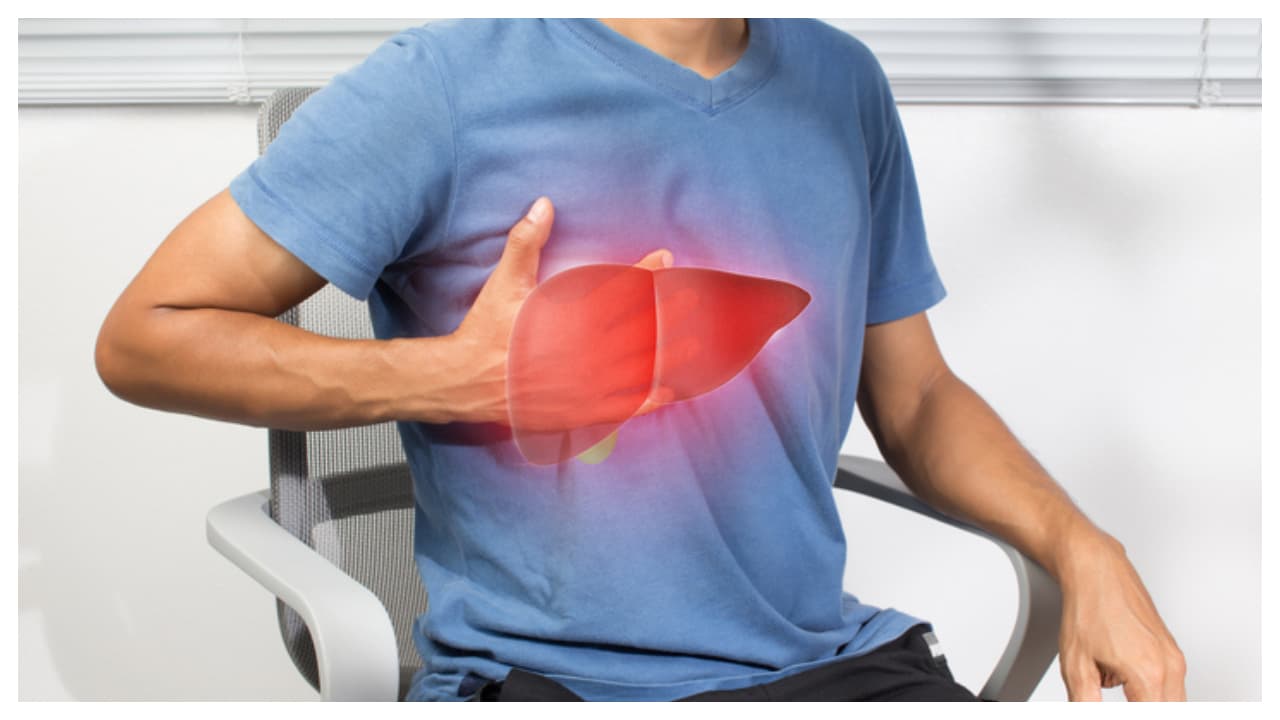
Most people do not feel unwell in a way that immediately raises concern. Instead, symptoms may appear as mild fatigue, abdominal discomfort, or a general sense of low energy. These signs are often dismissed as stress, poor sleep, or a hectic lifestyle.
This is why liver disease frequently goes undetected. By the time visible symptoms such as jaundice or swelling develop, the condition may already be in an advanced stage.
Other Causes That Are Frequently Overlooked
Liver disease can develop due to several factors beyond alcohol consumption.
Viral infections such as Hepatitis B and Hepatitis C continue to remain major contributors. Autoimmune liver diseases, where the immune system mistakenly attacks the liver, are another important cause.
Certain inherited conditions can also affect the liver’s ability to process substances like iron or copper. These disorders may remain unnoticed for years before symptoms appear.
Another growing concern is drug-induced liver injury. In many cases, this results from self-medication, excessive use of supplements, or herbal products that are assumed to be safe without proper medical guidance.
At the same time, changing dietary habits, increasing pollution exposure, and unhealthy lifestyle patterns are further adding to the burden of liver disease.
The Importance of Early Detection
The reassuring aspect is that liver disease is often manageable when identified early.
Simple investigations such as liver function tests and ultrasounds can help detect early changes. For individuals with risk factors such as obesity, diabetes, or a family history of liver disease, regular screening becomes especially important.
Early diagnosis allows timely treatment, helping slow disease progression and, in some cases, even reverse early liver damage.
Treatment and Lifestyle Management
Treatment depends on the underlying cause of liver disease. In many cases, the first steps involve practical lifestyle changes that can be incorporated into daily routines.
For fatty liver disease, gradual weight loss, regular physical activity, and healthier eating habits can significantly improve liver health.
Viral hepatitis can now be effectively treated, particularly when diagnosed early. Autoimmune liver diseases are usually managed with medications that reduce inflammation and regulate immune activity, along with regular monitoring.
Even in advanced stages, appropriate medical care and lifestyle management can help maintain stability and quality of life.
A Shift in Awareness Is Needed
There is an urgent need to move beyond the belief that liver disease only affects those who consume alcohol.
The liver often does not signal trouble in obvious ways. Recognising that liver disease can affect anyone, and seeking timely medical evaluation when needed, can make a meaningful difference in long-term health outcomes.
Article By: Dr. Ch. Vikranth, Consultant, Medical Gastroenterologist, Mithra Medicare Hospitals, Vizag