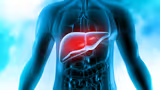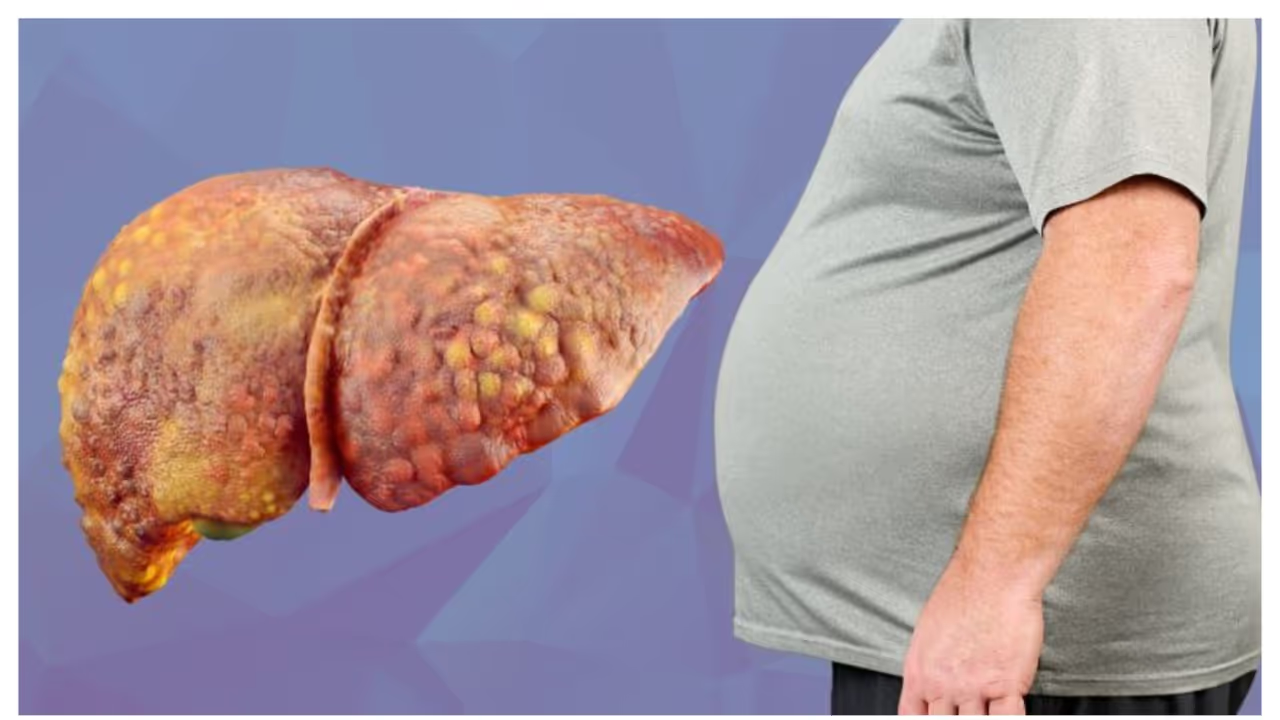
Today's fatty liver disease looks different. In the 1950s, it was common. More 30- and 40-year-olds are impacted. Early beginning increases liver damage duration, increasing the likelihood of major consequences.
Fatty liver disease is showing up in a different way these days. It used to be common in people in their 50s. More and more people in their 30s and 40s are now being affected. This early onset is concerning because it increases the duration for which the liver is exposed to damage, raising the risk of serious complications over time.

A major reason for this change is lifestyle. Many people today lead a sedentary life, with limited physical activity. At the same time, food habits have changed, there is a higher intake of calorie-dense, high-carbohydrate foods, frequent snacking, and regular consumption of junk food. Over time, these patterns contribute to what is known as visceral obesity, the accumulation of fat around internal organs.
Visceral obesity is defined based on waist circumference:
- More than 90 cm in men
- More than 80 cm in women
Ideally, it should remain below these levels.
Related Articles

Certain metabolic risk factors, in addition to visceral obesity, heighten the likelihood of developing fatty liver disease. These are things like pre-diabetes or diabetes, high triglycerides (bad cholesterol) and low HDL (good cholesterol), and high blood pressure. A person can be at risk even if they only have one of these risk factors.
Doctors worry that fatty liver may last longer if it starts at a younger age especially if risk factors are not well controlled. This can lead to liver fibrosis in which scar tissue replaces normal liver tissue. Fibrosis can get worse with time and turn into cirrhosis. At this point, the chance of getting liver cancer also goes up.
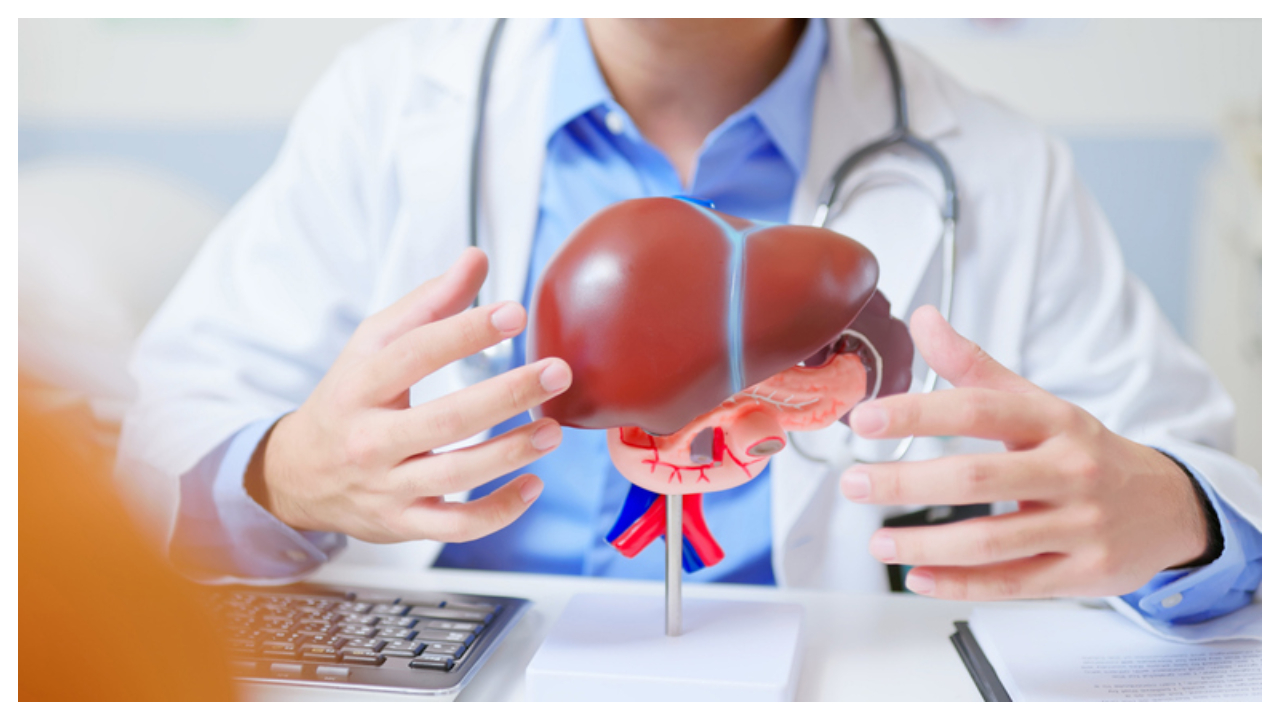
Another challenge is that fatty liver disease is often silent. Most people do not experience symptoms. Many rely on routine blood tests, and even when liver function tests appear normal, fatty liver may still be present and progressing quietly.
This is why early action is important. If any of these risk factors are present, it is advisable to seek a proper evaluation by a hepatologist. Making simple changes, like becoming more active, reducing high-calorie and high-carbohydrate food intake, maintaining a healthy weight, and keeping blood sugar and lipid levels under control - can go a long way in reducing the risk.
This article is authored by Dr. Sandeep Satsangi, Lead Consultant - Hepatology and Transplant Hepatology, Manipal Hospital Old Airport Road.