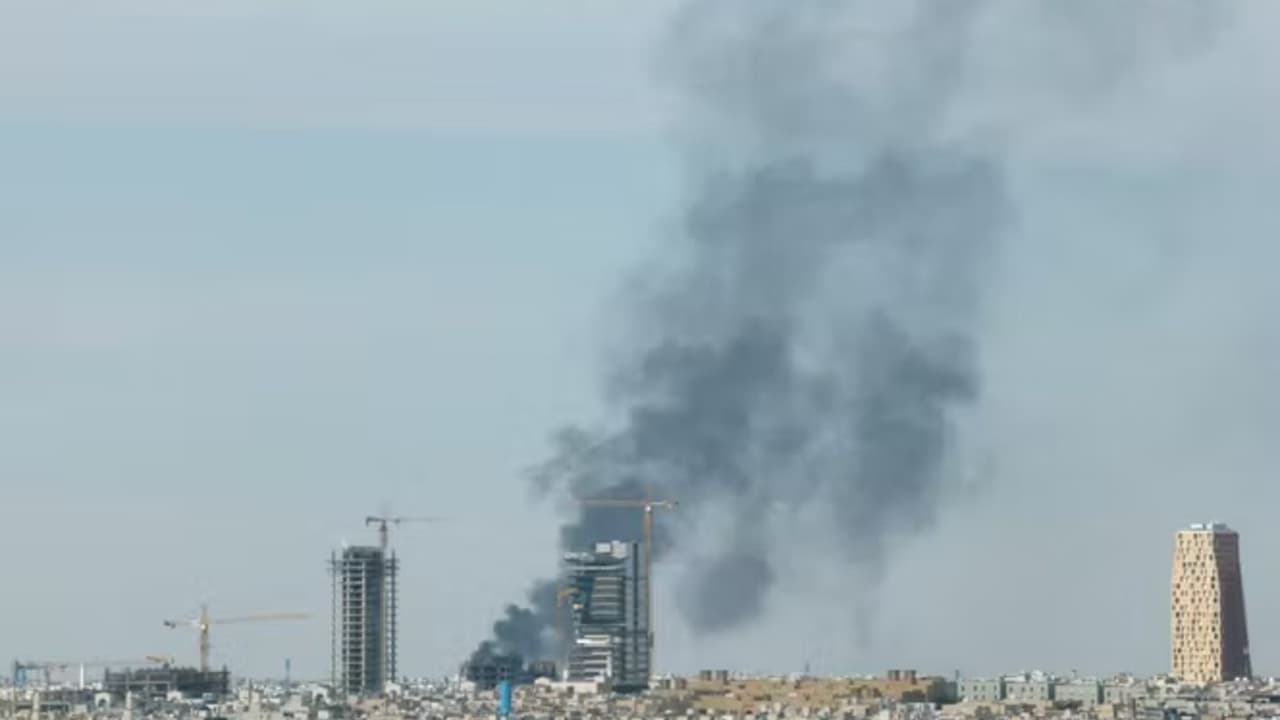
Tensions have sharply escalated in the Middle East after the US claimed it conducted airstrikes on military installations on Iran’s Kharg Island, a vital oil export hub. Iran responded with threats of retaliation, warning it would target US-linked energy infrastructure if its own facilities are attacked.
Tensions in the Middle East have escalated sharply after US President Donald Trump claimed American forces carried out major airstrikes on Iran’s strategically vital Kharg Island. He said the operation destroyed key military installations on the island, which serves as Iran’s main crude oil export terminal. While the strike reportedly avoided damaging energy facilities, the move has significantly heightened fears of a broader regional conflict.

Iran reacted strongly to the claims, warning that any attack on its oil and gas infrastructure would trigger retaliation against energy facilities linked to the United States and its allies across the region. Officials suggested that oil companies cooperating with Washington could become potential targets if hostilities intensify further.
According to Iranian media reports, the spokesperson said that if Iran’s oil infrastructure is targeted, “all the oil and energy infrastructure belonging to oil companies across the region that have American shares or cooperate with the United States will be destroyed and turned into a pile of ashes.”
Related Articles

Also Read: ‘Crown Jewel’ Targeted: Trump Claims US ‘Obliterated’ Iran’s Key Oil Hub Kharg Island
Kharg Island plays a crucial role in Iran’s economy, handling a large share of the country’s oil exports and acting as a key logistics hub connected to major energy fields. Analysts say targeting the island sends a powerful strategic signal, as any prolonged disruption could severely impact global oil supply chains and push energy prices higher.
The confrontation comes amid an already volatile security environment, with military deployments increasing and maritime tensions rising around the Strait of Hormuz — a critical route for global energy shipments. Experts warn that continued escalation could threaten regional stability, disrupt shipping lanes and deepen economic uncertainty worldwide.
Markets are closely monitoring developments as investors assess the risk of supply shocks. The latest exchange of threats highlights the fragile balance in the Gulf and raises concerns that further military action could transform a limited strike into a wider geopolitical crisis with far-reaching consequences for energy security and international trade.