
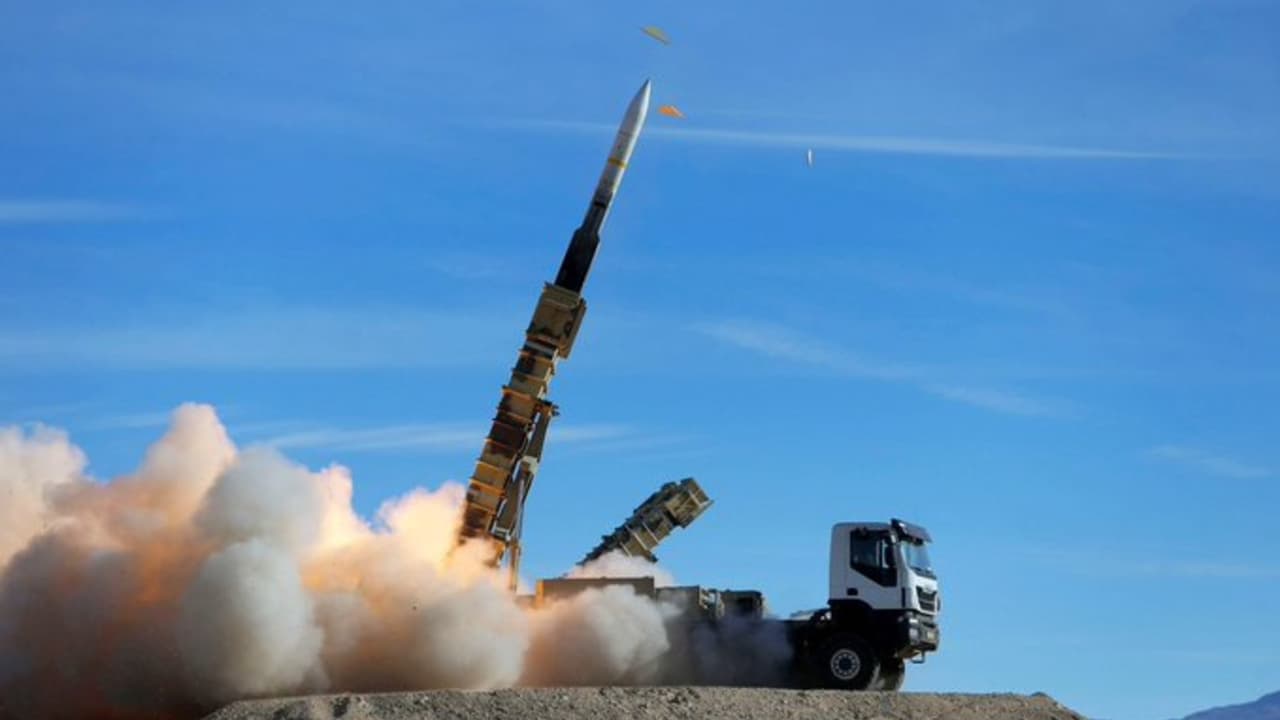
The US has escalated its military campaign against Iran, deploying its advanced JASSM-ER long-range cruise missiles. This strategic shift to stand-off strikes follows US operational losses and improved Iranian air defenses. The US is committing nearly its entire stockpile of these stealth missiles, allowing strikes from over 600 miles away.
The United States has significantly escalated its military campaign against Iran by deploying its most advanced long-range cruise missiles, the JASSM-ER (Joint Air-to-Surface Standoff Missile–Extended Range), marking a dangerous new phase in the ongoing conflict. The move comes amid rising operational losses and increasing resistance from Iranian air defences, highlighting the intensifying nature of the war.

According to reports, the US is preparing to commit nearly its entire stockpile of JASSM-ER missiles—one of its most lethal and stealthy weapons systems—specifically for strikes on Iranian targets. These precision-guided missiles are capable of hitting targets from over 600 miles away, allowing US forces to strike deep into Iranian territory without entering heavily defended airspace.
The JASSM-ER is designed to evade radar detection and penetrate sophisticated air defence systems, making it particularly effective against high-value and fortified targets. Its deployment reflects a strategic shift toward long-range, stand-off warfare as the US seeks to minimise risks to its aircraft and personnel following recent setbacks.
The escalation follows reports of US aircraft losses, including the downing of an F-15 fighter jet over Iran, which exposed vulnerabilities in American air operations. Iran has claimed to have used advanced air defence systems to target US aircraft, underscoring its growing capability to challenge US air superiority.
In response, the US has intensified its reliance on missile-based strikes, reducing the need for direct aerial engagement. Reports indicate that over 1,000 JASSM-ER missiles have already been used in the first phase of operations, significantly depleting US stockpiles. With only a limited number remaining for global deployment, the strategy raises concerns about long-term military readiness.
The scale of deployment underscores the urgency of the US campaign. Analysts note that committing such a large portion of the missile inventory to a single conflict reflects both the importance of the Iran theatre and the challenges faced by US forces on the ground and in the air. It also signals Washington’s intent to maintain pressure on Iran’s military infrastructure, including missile sites, air defence systems, and command centres.
However, the strategy comes with risks. Experts warn that rapidly depleting advanced missile reserves could impact the US military’s ability to respond to other global threats, particularly in regions like the Indo-Pacific. Replenishing these stockpiles will take time, even with increased production capacity.
The broader conflict has already seen extensive strikes, with thousands of targets hit across Iran in recent weeks, including key military and industrial facilities. While these operations have reportedly weakened Iran’s capabilities, they have not eliminated its ability to retaliate.
As tensions continue to rise, the deployment of JASSM-ER missiles highlights a shift toward more aggressive and technologically advanced warfare. The move not only intensifies the current conflict but also raises the stakes for a wider regional escalation.
With both sides demonstrating increased military capability and willingness to escalate, analysts warn that the conflict could enter an even more volatile phase, with far-reaching consequences for regional stability, global energy markets, and international security.
