
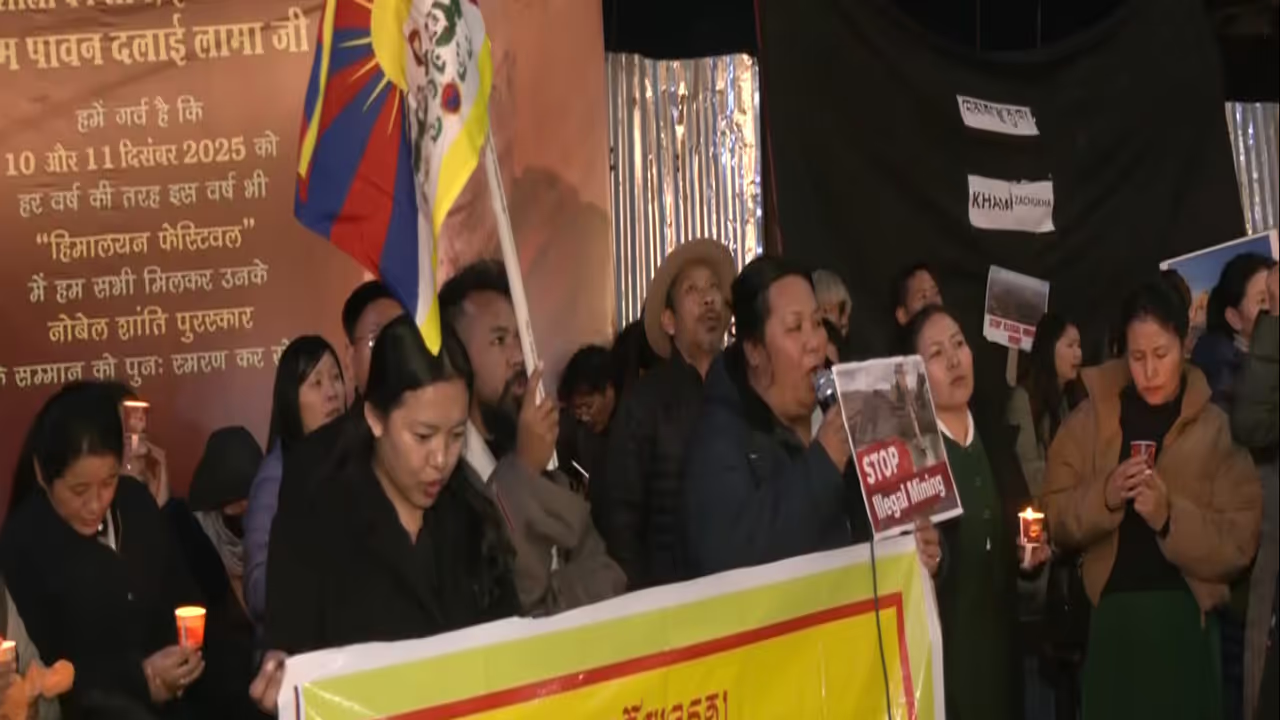
Five major Tibetan NGOs condemned China's gold mining project in Tibet's Kham region. The project, started without local consent, led to peaceful protests and the arrest of over 80 Tibetans, with some still missing.
Five major Tibetan NGOs condemned China's Gold Mining Project in Kashi Village, Kham region of Eastern Tibet and stood in solidarity with the Tibetan Protesters.

Protests Erupt Over Gold Mining Project
On November 5, the Chinese Communist Government launched a gold mining project in Kashi Village, Zachukha, Kham without the consent of the local Tibetan population. When Tibetans attempted to peacefully halt the project and submitted appeals to the authorities, they arrested more than 80 Tibetans out of which seven are still missing. Many Tibetans in-exile and supporters gathered in North Indian hill town Dharamshala to participate in the candle light vigil and show their solidarity with the victims of gold mining protest. They demand China to release all Tibetan protesters and respect human rights.
On November 5, scores of people in a Tibetan autonomous area in the western Chinese province of Sichuan protested after learning of the start of a gold mine in a pasture area used by nomads for their sheep and yaks, according to accounts from 40 people there collected by a group of seven Tibetans in exile from relatives and friends in the village, as per a statement by the Central Tibetan Administration.
China's Response and Information Blockade
After the villagers in Gayixiang township confronted local authorities about the mine, which was at an early stage, Chinese authorities arrested at least 60 of the protesters, according to the exiled Tibetans, all of whom are originally from the town, and the Tibetan government in exile. Chinese authorities have blocked access to Gayixiang, which the Tibetans refer to as Kashi village, cut off communications and intensified security in the area, the group said.
The Tibetan government in exile, which is based in Dharamshala, India, said it has corroborated the information through its own contact in Tibet. It said that, as of Thursday, 11 of the nomads initially detained continued to be held, as per CTA.
Broader Context: Controversial Mega Projects in Tibet
In a letter to the United Nations last year concerning the dam, Chinese authorities said they had worked with local residents to relocate them. Earlier this year, China embarked on the construction of a USD 167 billion mega dam and hydropower project on the Yarlung Tsangpo River in the Tibetan plateau on the border with India.
That project aims to deliver electricity from the site in Tibet to China's industrialized southeast coast.
Chinese authorities ignored concerns from local Tibetans about environmental damage and potential disaster in the earthquake-prone area.
Environmental Significance of the Tibetan Plateau
Tibet is sometimes referred to as "Water Tower of Asia" as many glaciers feed rivers and tributaries originating in Tibet that flow down to the countries across the Himalayas in South and Southeast Asia, irrigating farmland and providing fresh drinking water to hundreds of millions of people.
(Except for the headline, this story has not been edited by Asianet Newsable English staff and is published from a syndicated feed.)