
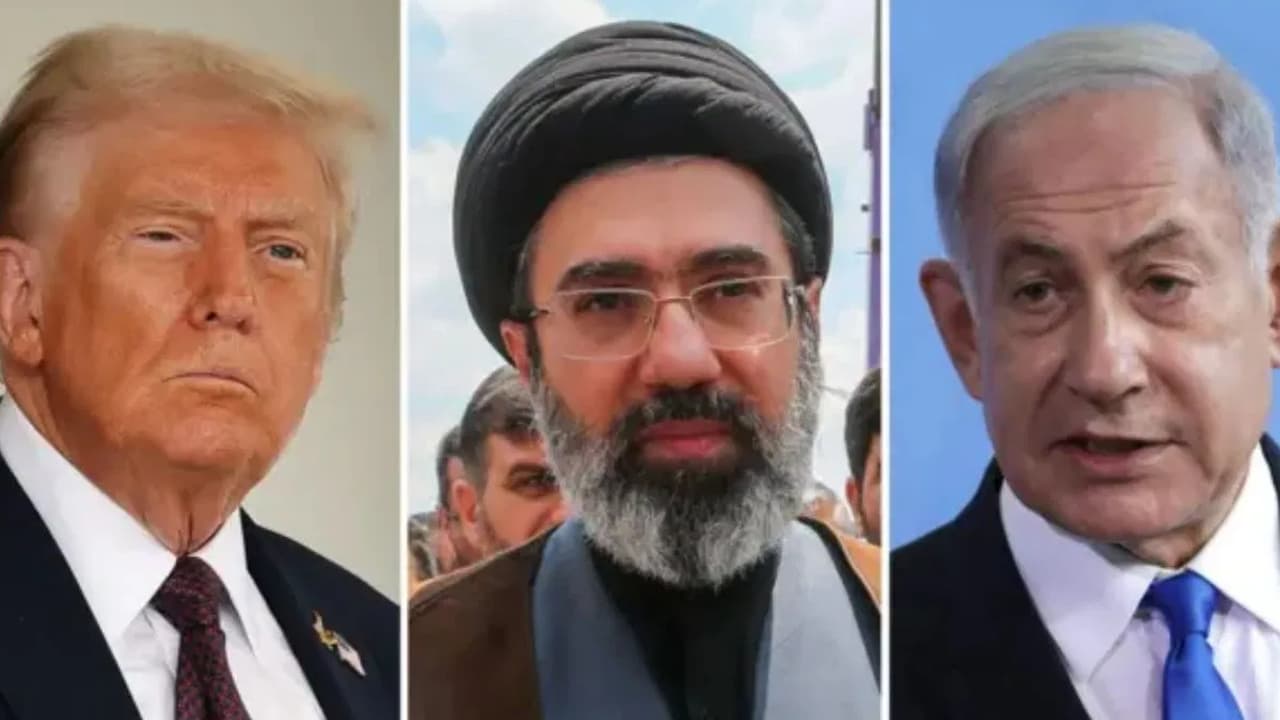
US President Donald Trump claimed Iran has agreed not to pursue nuclear weapons, suggesting a potential diplomatic breakthrough. He expressed optimism, hinting at backchannel talks amid heightened regional tensions. Conversely, Iran denies any formal negotiations with Washington and has not acknowledged such an agreement.
US President Donald Trump has claimed that Iran has “agreed to not have nuclear weapon,” suggesting a possible breakthrough even as Tehran continues to deny any formal negotiations with Washington.

Speaking on the evolving situation, Trump expressed optimism, stating, “They are talking sense,” indicating that communication channels may be active behind the scenes. His remarks hint at potential backchannel diplomacy between the United States and Iran, despite the absence of any publicly confirmed agreement.
The comments come at a time of heightened tensions in the Middle East, where ongoing conflicts have intensified concerns over nuclear proliferation. Trump’s statement suggests that there may be an informal understanding or early-stage discussions focused on ensuring that Iran does not pursue nuclear weapons capability.
Also Read: Iran Prefers JD Vance for Talks, Rejects Kushner, Witkoff: Report
However, Iran has not acknowledged any such development and maintains that it is not engaged in direct talks with the United States. This contradiction has fueled uncertainty about the nature and progress of any possible negotiations. The lack of official confirmation from Tehran raises questions about whether these discussions, if they exist, are indirect or conducted through intermediaries.
Trump has consistently maintained a firm stance that Iran must never acquire nuclear weapons, making the issue a central pillar of his foreign policy approach. His latest remarks reinforce that position while also signaling cautious optimism about a potential diplomatic opening.
Despite the positive tone, the broader geopolitical situation remains complex. The absence of a mutually acknowledged agreement highlights the fragile and uncertain nature of the current developments. Analysts suggest that even the possibility of dialogue—formal or informal—could influence regional dynamics and global diplomatic efforts.
For now, Trump’s assertion adds a new dimension to the ongoing narrative, pointing to a possible shift toward de-escalation. However, without concrete evidence or official statements from both sides, the claim remains unverified and subject to careful scrutiny on the international stage.
