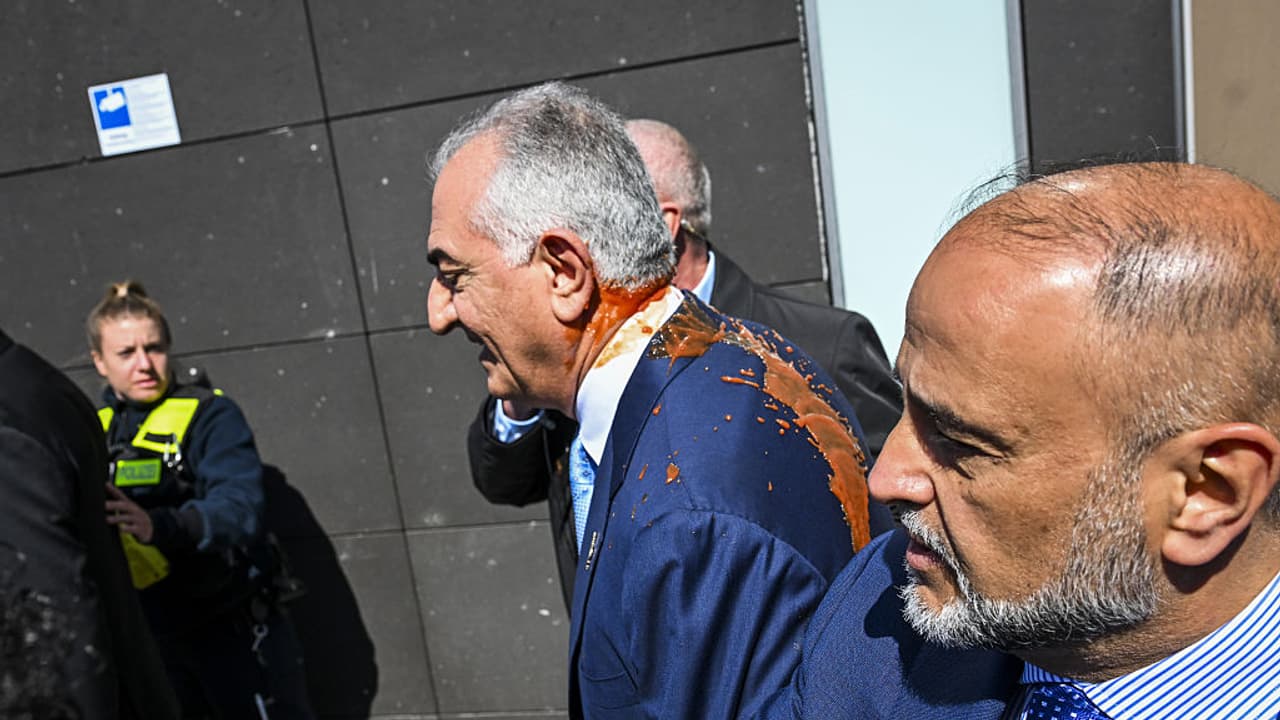
Exiled Iranian Crown Prince Reza Pahlavi was splashed with red liquid, reportedly tomato sauce, in Berlin after a press briefing. The suspect was detained, as Pahlavi renewed criticism of Iran and the ceasefire.
A tense moment unfolded in the German capital on Thursday when Reza Pahlavi, Iran’s exiled Crown Prince, was splattered with red liquid as he exited a press engagement. The incident occurred outside the federal press conference building shortly after Pahlavi had addressed reporters, where he delivered pointed criticism of the ceasefire between the United States and Iran.

What Happened Outside the Press Conference
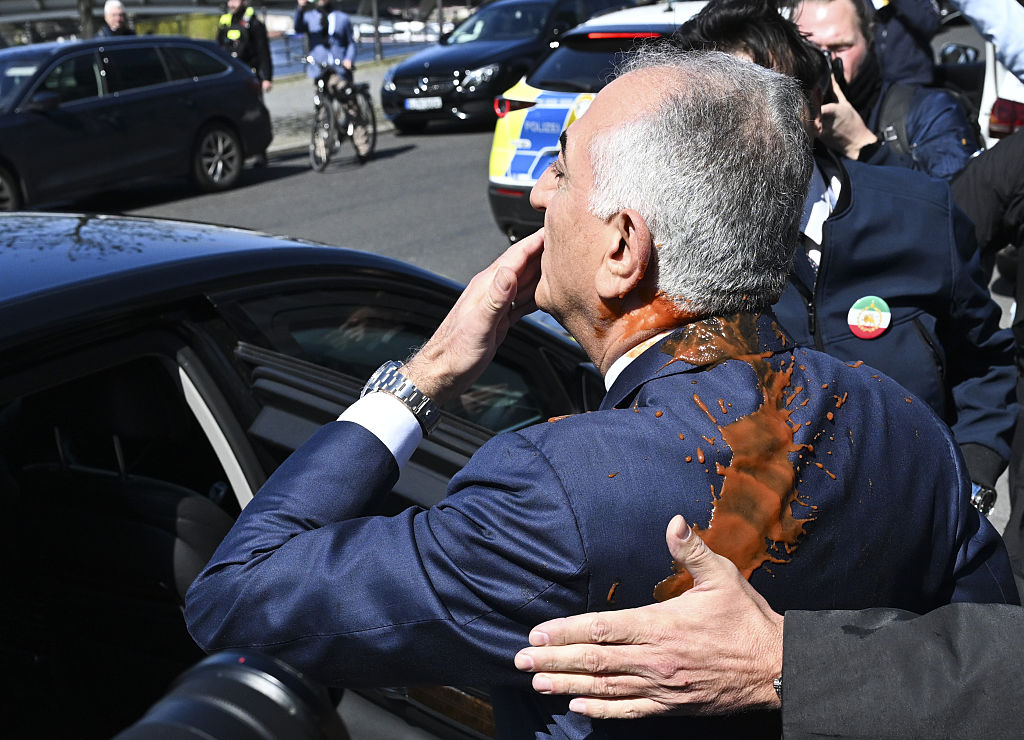
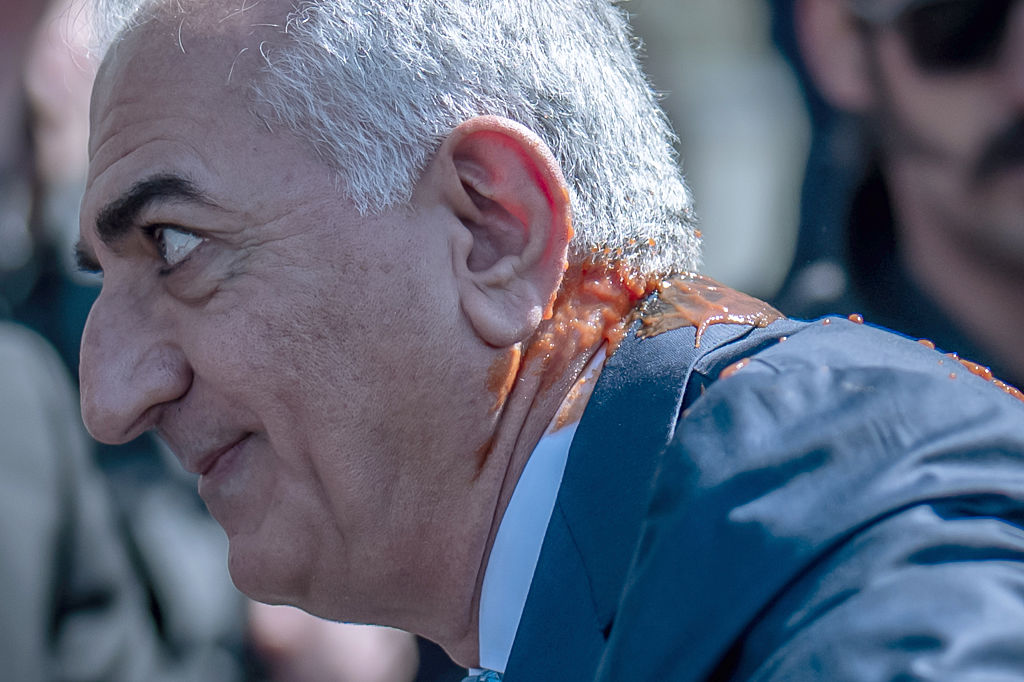
Eyewitness accounts suggest that as Pahlavi stepped out of the venue, a demonstrator approached and hurled a red substance—later believed to be tomato sauce—onto the back of his blazer and neck.
Related Articles

Despite the shock of the moment, Pahlavi appeared composed. He was not injured, briefly acknowledged supporters gathered nearby, and was quickly escorted into a waiting vehicle that drove him away from the scene.
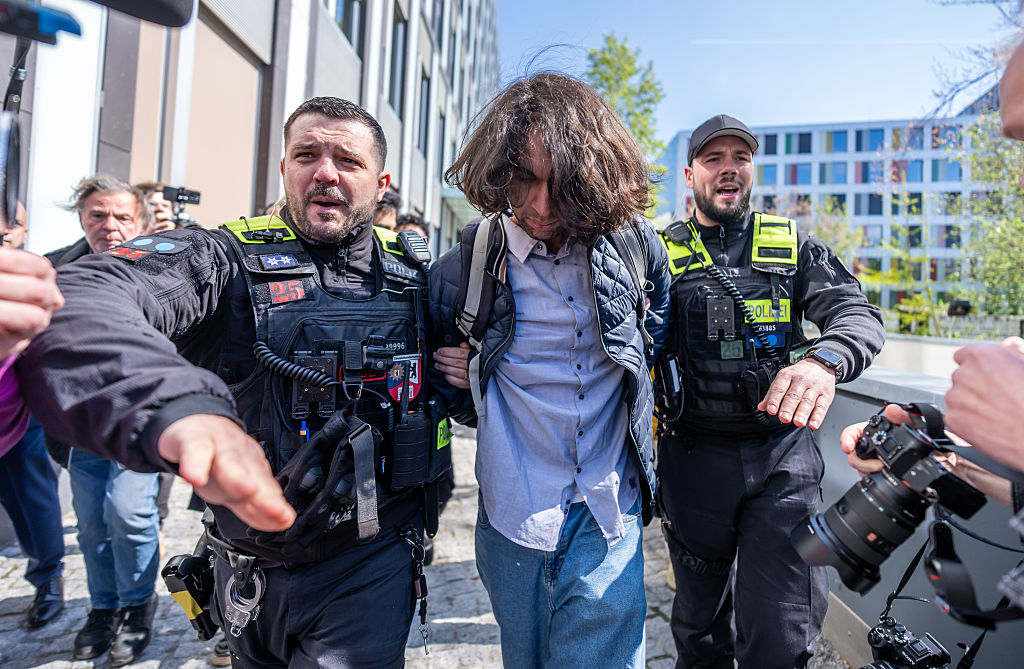
German police acted swiftly, detaining the suspect on the spot. Authorities have not released the individual’s identity, citing privacy regulations.
A Protest, Not an Attack
Police indicated that the liquid did not appear to be harmful, reinforcing the likelihood that the act was symbolic—a form of protest rather than an attempt to cause physical harm.
Still, the optics were striking. The image of Iran’s most prominent exiled royal figure being doused in public raises fresh questions about how he is perceived—not only within Iran but also among the diaspora and international observers.
A Divisive Legacy
At 65, Pahlavi remains a controversial figure. He is the son of Mohammad Reza Pahlavi, the last Shah of Iran, whose rule ended in the Iranian Revolution after mass protests forced the monarchy’s collapse.
While Pahlavi has spent nearly five decades in exile, he continues to position himself as a potential leader should Iran’s current system fall. However, the depth of his support—inside Iran and among Iranians abroad—remains uncertain.
Supporters Show Up in Berlin
Earlier in the day, hundreds of supporters backed Pahlavi and his call for political change in Iran. Their presence highlighted that, despite the controversy surrounding him, Pahlavi still commands a base that sees him as a symbol of an alternative future for Iran.
Pahlavi, addressing journalists, called on European governments that have stayed out of the US-Israeli war against Iran to take other steps, from expelling Iranian ambassadors to helping Iranian citizens access the blockaded internet.
"The whole narrative of ceasefire and negotiation is still based on thinking that ... you're going to deal with people who all of a sudden have become pragmatists," said Pahlavi, who was visiting Germany after stops in Sweden and Italy.
"I don't see that happening," he said, condemning Iran's new leaders after the killing of supreme leader Ali Khamenei and other senior figures as "different faces of the same machine".
Pahlavi said Iran had "slaughtered innocent citizens by the thousands" and threatens Europe with long-range missiles. "No deal will solve this. No negotiations will solve this. It is in their DNA."
Pahlavi Positions Himself for Power Amid Divisions
Pahlavi, whose father Mohammad Reza was brought down by the 1979 Islamic revolution, has repeatedly said he was ready to lead a transition if the Islamic republic fell in the war that erupted in late February.
He however represents just one of several Iranian diaspora groups, who are often bitterly at loggerheads, and has failed to win recognition from US President Donald Trump, who has never officially met with Pahlavi and repeatedly expressed scepticism over his ability to lead Iran.
German Chancellor Friedrich Merz's government was not due to meet Pahlavi, according to a Berlin spokesman, although several lawmakers were to hold talks with him.
The ousted shah's son was boosted by protesters chanting the name of the family dynasty during January rallies against the clerical system and then vast pro-monarchy demonstrations in February in Munich and several cities in North America.
"Inside Iran, tens of millions of Iranians chanted my name, and they still do," Pahlavi told the Berlin press conference, adding that "today's Gen Z in Iran are my biggest supporters".
Looking ahead, he voiced hopes for a popular uprising, saying that "the strategy is ultimately for people to be able to reclaim the streets".
(With inputs from AFP)