
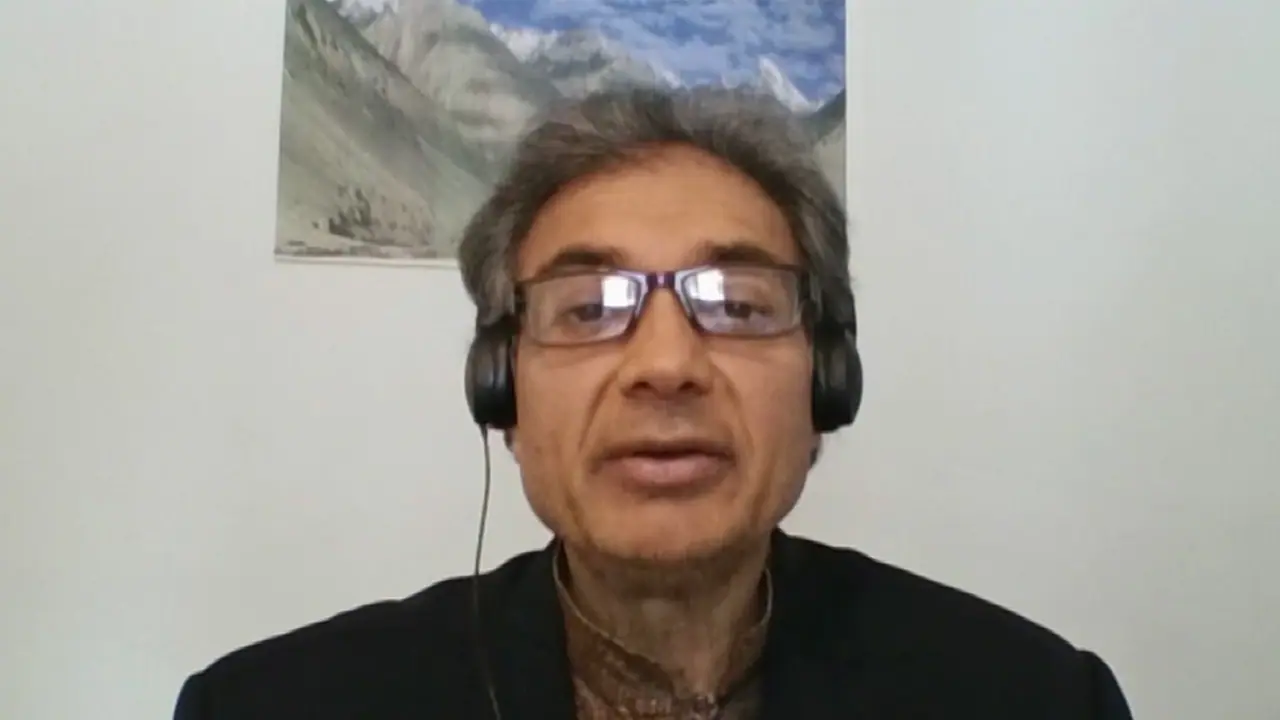
Senge Sering, President of the Institute for Gilgit-Baltistan Studies, alleges systemic repression of journalists in Pakistan-occupied Gilgit-Baltistan, stating press freedom is 'non-existent' and citing instances of torture and state control.
Senge Sering, President of the Institute for Gilgit-Baltistan Studies, has raised serious concerns over the state of press freedom in the region, alleging systemic repression, intimidation, and control of journalists by state institutions consistently.

Speaking on the occasion of World Press Freedom Day, Senge Sering said that freedom of expression and independent journalism are "non-existent" in Pakistan-occupied Gilgit-Baltistan (PoGB). He cited protests and demonstrations by local journalist bodies, including the Baltistan Union of Journalists, Skardu Press Club, and Gilgit Union of Journalists, who collectively demanded greater protections and autonomy for media professionals.
Sering referred to Pakistan's poor global standing in press freedom rankings, citing assessments by organisations such as Reporters Without Borders, Human Rights Watch, and Freedom House. He alleged that these reports consistently highlight shrinking space for independent journalism in Pakistan.
Allegations of Torture and Detention
Highlighting recent incidents, Sering claimed that journalist Adnan Rawat was detained and tortured for speaking out against alleged atrocities in March 2025, while another journalist, Sher Nader Shahi, was reportedly held in custody and brutally tortured for an extended period before being released following alleged abuse.
State Control Mechanisms
According to Sering, Pakistan's media landscape is tightly controlled through regulatory bodies such as the Pakistan Electronic Media Regulatory Authority (PEMRA) and state mechanisms like the Press Information Department. He alleged that financial pressure, including advertisement bans, is used to coerce media outlets into aligning with government and military narratives.
He further claimed that journalists face threats of sedition and terrorism charges if they deviate from official lines, adding that broad interpretations of "national interest" and "religious values" are used to justify crackdowns against journalists.
Call for International Intervention
Referring to statements by the United Nations, Sering urged the international community to intervene, calling for the release of detained journalists and restoration of press freedom in the region. (ANI)
(Except for the headline, this story has not been edited by Asianet Newsable English staff and is published from a syndicated feed.)