
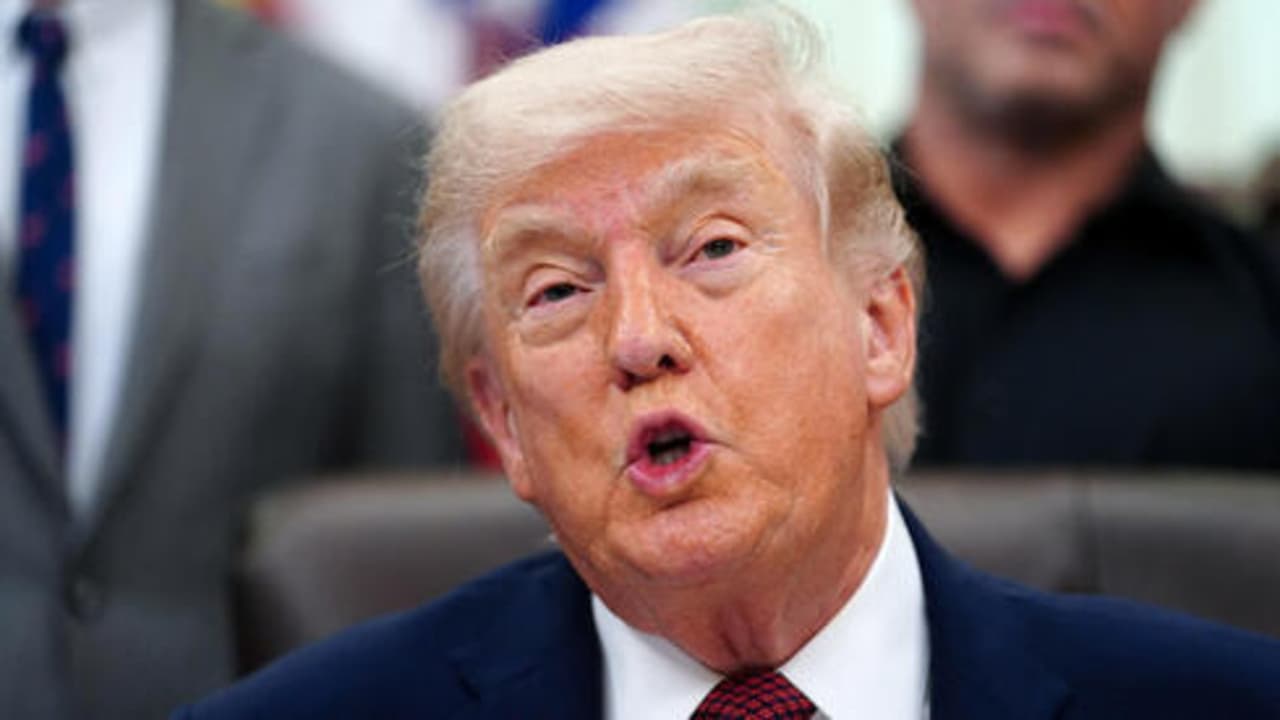
US President Trump expressed deep skepticism over Iran's new 14-point peace proposal, stating it may not be sufficient. The plan, submitted amid a fragile ceasefire, reportedly demands lifting sanctions and unfreezing assets. While reviewing the offer, Trump maintains a hardline stance, warning that military options remain on the table.
US President Donald Trump has expressed deep scepticism over Iran’s newly submitted 14-point proposal aimed at ending the ongoing conflict, signalling that a breakthrough in negotiations remains uncertain. While confirming that his administration is reviewing the plan, Trump made it clear he is not convinced the offer goes far enough.

In a blunt assessment, Trump said Iran has not “paid a big enough price” for its past actions, casting doubt on whether the proposal would be acceptable to Washington. His remarks reflect the continued hardline stance of the US administration even as diplomatic efforts attempt to stabilise the region.
The proposal, reportedly routed through mediators, comes amid a fragile ceasefire that has temporarily paused hostilities following weeks of escalation. However, Trump has indicated that military options remain on the table, warning that US strikes could resume if Iran “misbehaves.”
Iran’s 14-point plan is believed to include key demands such as lifting US sanctions, unfreezing Iranian assets, and guarantees against future military action by the US or its allies. It also reportedly calls for easing restrictions in the strategically crucial Strait of Hormuz, a vital global energy corridor.
At the same time, Tehran is pushing for broader concessions, including the withdrawal of US forces and a phased diplomatic roadmap. But analysts suggest that the proposal does not significantly diverge from earlier offers, raising doubts about its viability.
Despite Trump’s preference for a non-military resolution, his rhetoric underscores lingering mistrust. He has also pointed to internal divisions within Iran’s leadership, suggesting they could complicate any final agreement.
The geopolitical stakes remain high, with tensions over Iran’s nuclear programme and control of key shipping routes continuing to fuel uncertainty. The ongoing standoff has already disrupted global energy markets and heightened fears of renewed conflict.
As negotiations continue, the gap between both sides appears wide. While Iran signals willingness for diplomacy, Trump’s scepticism highlights the challenges ahead in securing a lasting peace deal.
Also Read: Trump admin bypasses Congress for $8B arms sales to Gulf, Israel
