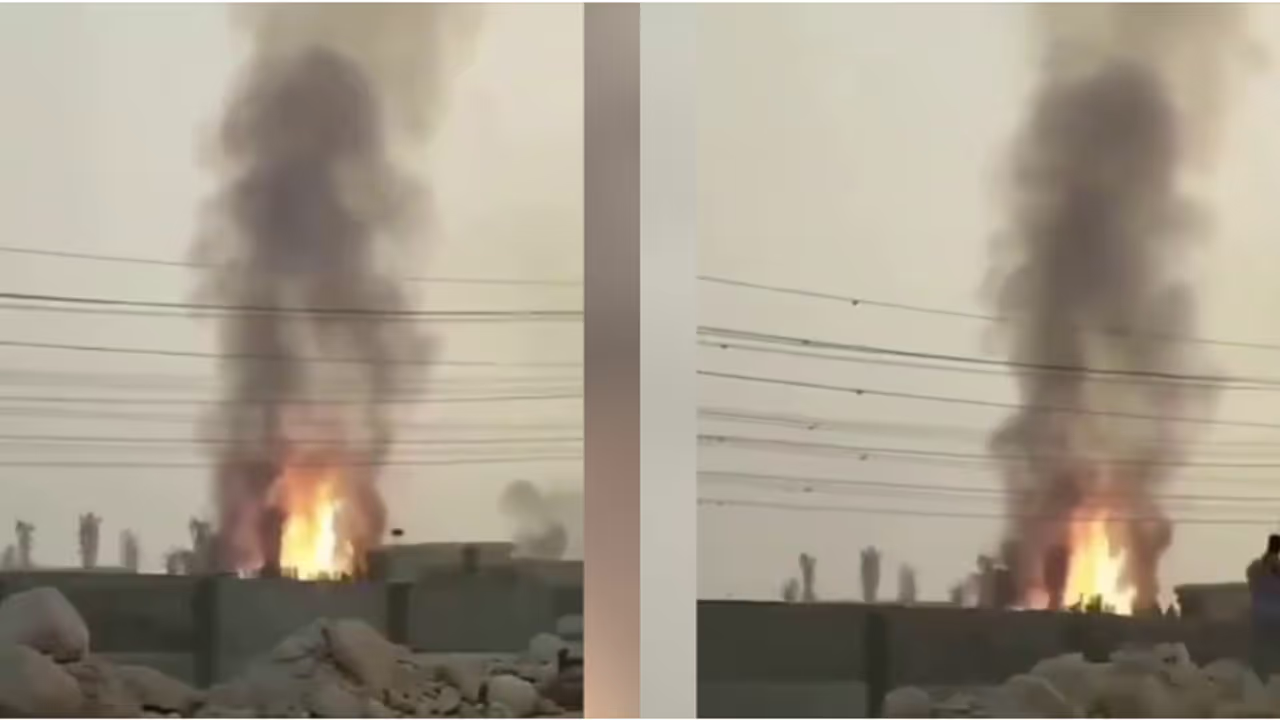
Israel conducted a large-scale aerial assault on approximately 30 Iranian fuel depots to disrupt military supplies, causing massive fires. The US expressed concern over the escalation, warning of unintended consequences and potential global economic fallout. Iran condemned the attacks and threatened retaliation against Israeli or allied targets.
Tensions in the Middle East escalated sharply after Israel launched a large-scale aerial assault targeting around 30 Iranian fuel depots in a single day, prompting concern from the United States and raising fears of further regional escalation.

According to reports, the Israeli air force struck multiple fuel storage and energy infrastructure sites across Iran, including areas near Tehran. The attacks triggered massive fires and thick plumes of smoke that were visible for miles, turning parts of the Iranian capital into scenes of chaos as emergency crews struggled to contain the damage.
The strikes mark one of the most extensive attacks on Iran’s energy infrastructure since the conflict between Israel and Iran intensified earlier this year. Israeli officials reportedly described the operation as part of a broader strategy aimed at weakening Iran’s military capabilities by disrupting fuel supplies used to support missile production and military logistics.
Related Articles

Also Read: Israel strikes Iran, kills 7 top officials including Shamkhani: IAF
However, the scale of the operation appears to have surprised officials in Washington. US officials reacted cautiously, with some describing the move as “not a good idea,” warning that targeting infrastructure used by civilians could produce unintended consequences. Analysts fear such attacks could rally Iranian public opinion behind the government instead of weakening it.
Another concern for the United States is the potential global economic fallout. Images of burning fuel depots and disrupted energy facilities have raised alarms about possible shocks to international oil markets. Even though the targeted facilities were mainly storage depots rather than production sites, officials worry the strikes could still unsettle global energy prices and heighten market volatility.
Iran has strongly condemned the attacks, calling them a dangerous escalation and warning that continued strikes on its energy infrastructure could provoke retaliation across the region. Iranian officials have suggested that similar attacks could be carried out against Israeli or allied targets if the campaign continues.
Also Read: GCC Defenses Blaze as 2,000+ Iranian Missiles, 1500 Drones Shot Down
The latest developments come amid a broader regional conflict that has already drawn in several countries and disrupted vital shipping routes such as the Strait of Hormuz, a crucial corridor for global oil trade.
With both sides signalling determination to continue their military campaigns, analysts warn that attacks on energy infrastructure could mark a new and more dangerous phase of the war, one that carries serious risks for regional stability and global energy security.