
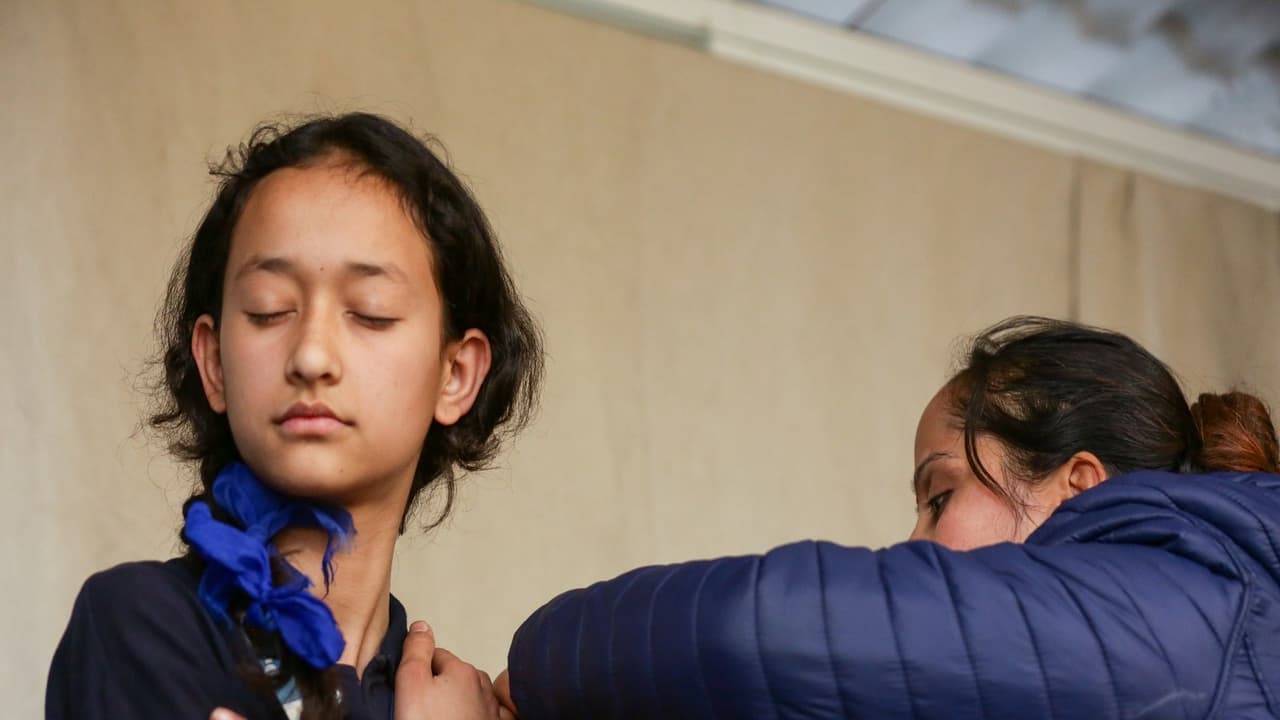
Nepal is continuing its nationwide HPV vaccination campaign for girls aged 10 and above, including students and out-of-school children, despite upcoming parliamentary elections. The drive aims to curb cervical cancer, a leading cause of death in women.
With less than a month left before the parliamentary elections scheduled for March 5 in the country, Nepal has continued its nationwide Human Papillomavirus (HPV) vaccination campaign. Nepal's Ministry of Health and Population has instructed all relevant authorities to complete the inoculation drive within three weeks, starting this week, ensuring that the campaign is not disrupted by the parliamentary polls.

Campaign Targets and Logistics
According to Nepal's Child Health and Vaccination Branch of the Department of Health Services, vaccination has begun for girls studying in grade 6 as well as out-of-school girls aged 10 years and above. During the campaign, girls in grades 7 to 10 and out-of-school girls aged 11 to 14 who missed last year's HPV vaccination will also receive the vaccine. Vaccinations for girls in grade 6 are being administered at schools, while out-of-school girls can receive them at health centres.
"The immunisation campaign has been rolled out. The HPV vaccine is being administered to girls aged 10 to 19 years. This time, female students in grade 6 are being targeted," Bhawana Ojha Joshi, a health official, told ANI.
The Burden of Cervical Cancer in Nepal
HPV spreads through skin-to-skin contact and is a leading cause of cervical cancer, the second-most common cancer in the developing world. Cervical cancer remains a major cause of death among Nepali women, with hundreds diagnosed every year.
Officials said that 345,000 girls studying in grade 6 are the primary target for vaccination, with an additional 55,000 out-of-school girls also eligible. Health workers are administering vaccines at schools, while health facilities cater to out-of-school girls aged 10 and above.
Although the exact number of cervical cancer patients in Nepal is unknown, it is estimated that at least four women die daily from the disease. BP Koirala Memorial Cancer Hospital in Bharatpur treats over 700 women annually suffering from cervical cancer.
High-Risk HPV Strains and Prevention
Doctors noted that HPV has over 100 types, ranging from low-risk to high-risk infections. Types 16 and 18 are most frequently associated with invasive cervical cancer and are considered more carcinogenic than other types.
Most cervical cancer cases are linked to HPV, and widespread immunisation could significantly reduce the disease burden. Early treatment can prevent up to 80 per cent of cervical cancer cases, experts said.
Vaccination Strategy and International Support
Nepal launched a nationwide HPV campaign in February-March last year, inoculating around 1.5 million girls aged 11 to 14 with a single dose of the vaccine. Experts note that the vaccine is most effective before a girl becomes sexually active, while its effectiveness decreases for sexually active women.
The Global Alliance for Vaccines and Immunisation (GAVI) supplied vaccines for last year's campaign and this year's programme, with a commitment to continue supporting the routine immunisation programme.
The World Health Organization (WHO) recommends HPV vaccination as part of a coordinated strategy to prevent cervical cancer and other HPV-related diseases. Globally, cervical cancer is the fourth most common cancer among women, claiming over 350,000 lives annually. (ANI)
(Except for the headline, this story has not been edited by Asianet Newsable English staff and is published from a syndicated feed.)