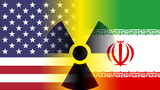
In February 2026, an Iranian man, Pouria Hamidi, died by suicide after posting a video appeal to Western leaders. He urged US President Trump not to negotiate with Iran's government, which he accused of killing thousands during widespread protests.
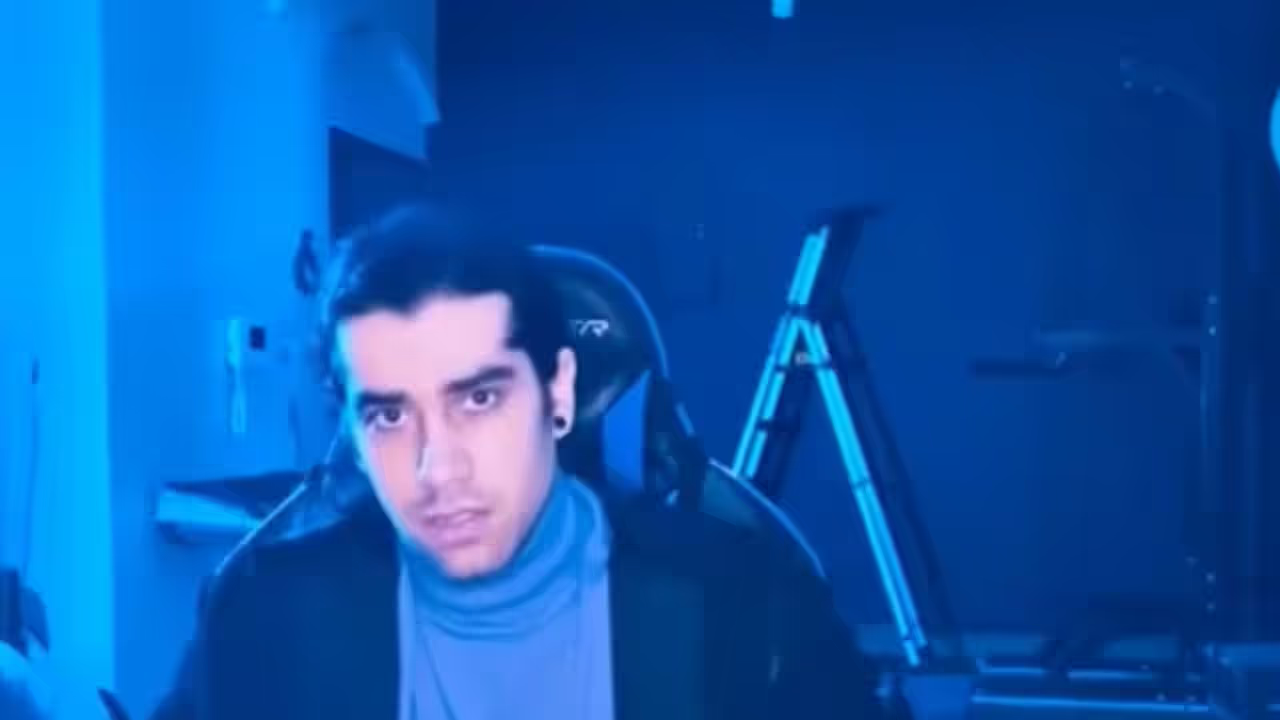
In early February 2026, a dramatic and tragic development in Iran’s ongoing political turmoil unfolded when an Iranian man reportedly took his own life after posting a video appeal to US President Donald Trump and Western leaders. The man, identified by opposition-linked media and regional outlets as Pouria Hamidi, hailed from the southern port city of Bushehr and recorded a roughly ten-minute message in English shortly before his death.

In the video, Hamidi directly addressed Trump and Western governments, pleading with them not to negotiate or strike any deals with Iran’s ruling establishment, which he held responsible for widespread repression and bloodshed.
“If you’re watching this, then I’m not around any more,” he said at the start of the recording, underscoring his desperation and sense of hopelessness. He claimed that the regime had been responsible for more than 40,000 deaths in Iran, surpassing casualty figures in other recent global conflicts, and called any diplomatic engagement a betrayal of those who had died in protests.
Related Articles

Hamidi’s message also reflected a broader sentiment of despair among many Iranians who feel abandoned amid mounting internal repression and shifting international dynamics. He told leaders to “do whatever you can to stop this deal,” reinforcing his belief that external pressure was essential to stopping what he described as a massacre by Tehran’s authorities.
His death occurred against the backdrop of intensified protests and a brutal crackdown by Iranian security forces that began in late December 2025 and continued into 2026. Widespread demonstrations — driven by economic hardship, political grievances, and demands for freedoms — have been met with violent responses.
Verified footage and independent reporting show security forces using live ammunition against unarmed crowds in cities including Tehran, Dezfoul and Amol, contributing to thousands of deaths and injuries. The government initially denied such actions but later admitted to using heavy weaponry amid spiraling unrest.
The crisis has also triggered broader political repression. Leading reformists and dissidents have been arrested, and critics of the regime face harsh legal consequences for participating in or supporting protests. Despite diplomatic signals and negotiations between Iranian and US officials in recent months, Tehran has maintained strict control over internal dissent, while allowing limited engagement with Washington on other issues.
Hamidi’s final act has circulated widely on social media and in international coverage, becoming a stark symbol of the frustration and desperation experienced by some Iranians. While independent verification of some claims — including details of the video and exact death toll figures — remains limited, the incident underscores the human dimension of Iran’s crisis and the deep political and social rifts that continue to define it.