
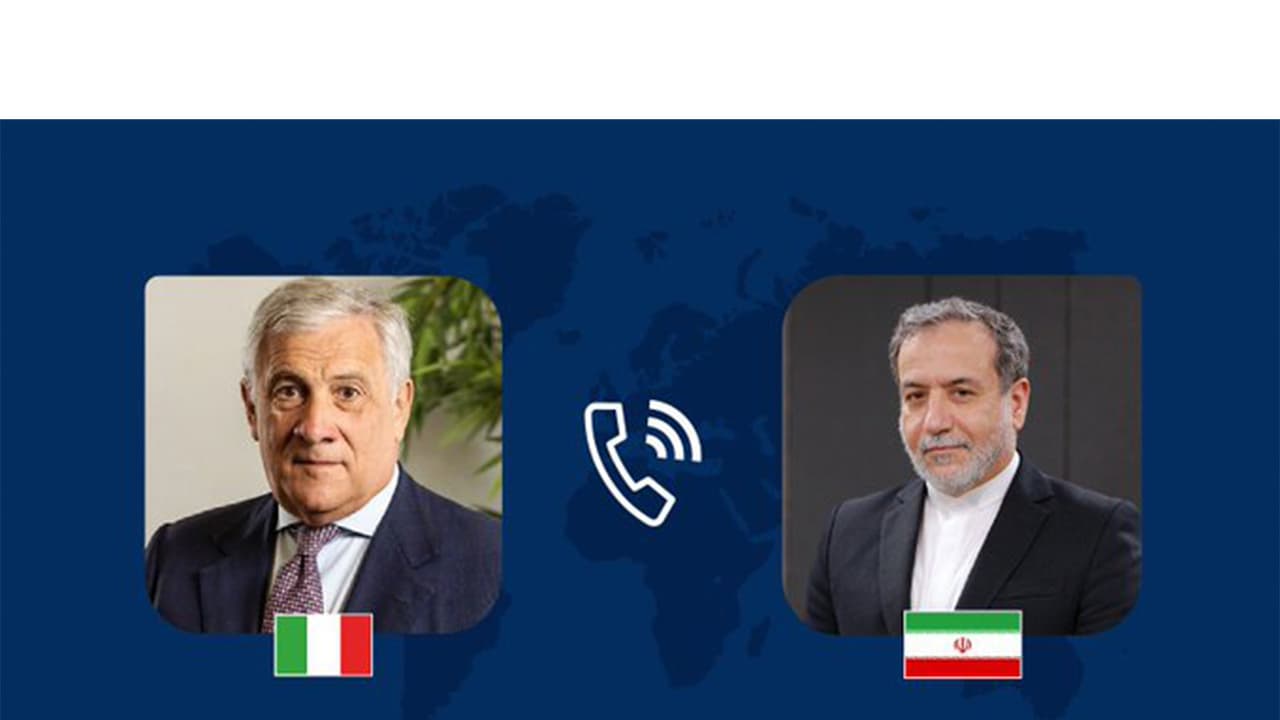
Italian Foreign Minister Antonio Tajani warned Iran about escalating regional tensions and its nuclear program. In response, Iran proposed a 14-point peace plan, which US President Donald Trump promptly expressed dissatisfaction with.
Italian Foreign Minister Antonio Tajani expressed deep apprehension regarding the escalating tensions across the Middle East during a telephone conversation with his Iranian counterpart, Abbas Araghchi.

In a statement shared on X on Saturday, Tajani noted that both parties examined the "ongoing conflict in Iran and the situation in the Middle East," while highlighting the critical necessity of averting a broader escalation. Ho appena avuto un altro colloquio telefonico con il Ministro degli Esteri iraniano 🇮🇷 @araghchi per fare il punto sul conflitto in Iran e sulla situazione in Medio Oriente. Ho voluto evidenziare la forte preoccupazione dell’Italia per l’aumento delle tensioni regionali,… pic.twitter.com/eooKODayLY — Antonio Tajani (@Antonio_Tajani) May 2, 2026
Italy's Diplomatic Stance
The Italian minister emphasised the urgency of bolstering diplomatic initiatives to reach an accord and advocated for the reopening of the Strait of Hormuz. He cautioned that persistent disruptions to the maritime route could lead to detrimental effects on food security and regional stability, specifically affecting Africa.
"I clearly confirmed that for Italy, the development of an Iranian nuclear program for military purposes represents a red line, with the concrete risk of triggering a dangerous nuclear arms race in the region," Tajani stated.
Furthermore, he called upon Tehran to exert its influence over Hezbollah to cease strikes against Israel and "to achieve, through negotiation, peace in Lebanon."
"Italy is increasingly committed to supporting every international effort for peace, keeping channels of dialogue open with all partners and promoting stability in the Middle East," he added.
Iran's Peace Proposal
Amid these diplomatic calls for restraint, as reported by the Iranian media outlet Tasnim News Agency, the government in Iran has drafted a 14-point initiative aimed at creating an exhaustive structure to "end the war" on all active fronts, including the volatile situation in Lebanon.
Rather than accepting a short-term ceasefire, the proposal advocates for a lasting settlement to be reached within a 30-day window.
The plan outlines specific requirements for regional stability, including the acquisition of safety pledges to block any prospective strikes on Iranian territory. It further calls for the departure of American troops from the Middle East and the cessation of all maritime blockades and naval limitations currently in place.
In terms of financial recovery, the document demands the unfreezing of Iranian funds held abroad and seeks reparations tied to the impact of military force and economic penalties. On a broader economic level, Tehran is pushing for the total cancellation of all United States and global sanctions.
Additionally, the proposal suggests a revised regulatory system for the Strait of Hormuz to guarantee the reliable movement of global shipping.
According to Kazem Gharibabadi, Iran's deputy foreign minister, this framework was transmitted through Pakistan acting as a middleman, with the goal of "permanently ending the imposed war." He asserted that the responsibility for the next move lies with the United States, stating that "the ball is in America's court" to opt for either a diplomatic solution or continued conflict.
US Reacts to Proposal
However, these overtures have met with immediate resistance in Washington. US President Donald Trump on Friday expressed dissatisfaction with the latest proposal aimed at ending the ongoing conflict, while also casting doubt on whether a final agreement can be reached.
Speaking to reporters at the White House, Trump said, "They want to make a deal, but I'm not satisfied with it, so we'll see what happens." (ANI)
(Except for the headline, this story has not been edited by Asianet Newsable English staff and is published from a syndicated feed.)