
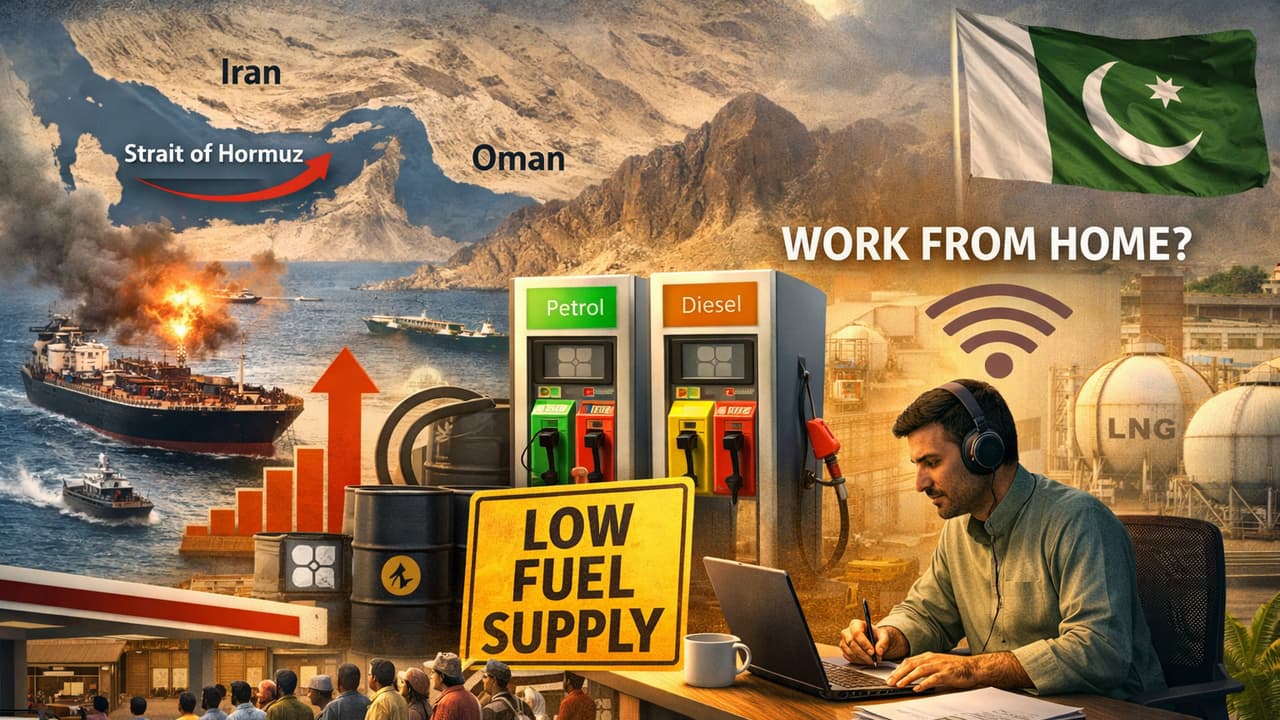
A global fuel crisis, sparked by disruptions in the Strait of Hormuz, has led to soaring oil prices and economic uncertainty. In response, nations worldwide are implementing emergency measures. Many are reviving Covid-era strategies like remote work, reduced workweeks, and rationing to cut consumption.
The global fuel crisis triggered by disruptions in the Strait of Hormuz amid the Iran conflict has forced countries across Asia and beyond to adopt emergency measures. Governments are reviving Covid-era strategies such as remote work, rationing, and reduced mobility to manage soaring oil prices and tightening supply. The crisis has not only strained fuel availability but also triggered inflation, currency pressure, and economic uncertainty worldwide.

India
India has so far avoided drastic restrictions but remains on high alert. The government is closely monitoring supply chains, crude sourcing, and price trends. With diversified oil imports and strategic reserves, India is better positioned than many peers. However, rising global prices are expected to impact inflation and fiscal balances. Officials are focusing on preparedness and stability rather than reactive measures.
United Kingdom
Fuel prices in the UK have surged to their highest levels in 18 months due to rising global oil costs, according to RAC data. The government has cautioned fuel retailers against unfair pricing practices and said it may step in if profiteering is detected—an allegation industry groups have rejected. To ease the burden, a £53 million support package has been introduced for low-income households dependent on heating oil.
China
China has turned to its extensive strategic oil reserves to manage supply disruptions, with stockpiles estimated at nearly 900 million barrels—enough to cover about three months of imports. In addition, authorities have reportedly instructed refineries to temporarily pause fuel exports in an effort to keep domestic prices stable.
Ireland
Ireland has announced a €235 million relief package aimed at lowering energy costs for consumers. Measures include tax reductions on petrol and diesel, suspension of the National Oil Reserves Agency levy, cuts in excise duties, and an extension of heating support payments.
Also Read: PM Modi thanks Gulf nations, says India facing fuel crisis resolutely
Egypt
Egypt has introduced temporary measures to reduce fuel consumption and ease pressure on public finances. Businesses such as shops and restaurants are required to close by 9 pm, while non-essential government employees must work remotely one day a week. The government has also increased fuel and transport prices, reduced energy use in public services, and scaled back fuel subsidies.
Thailand
Thailand has taken visible steps to cut energy use. Civil servants have been encouraged to work from home, avoid elevators, and reduce official travel. Even symbolic gestures, such as TV presenters appearing without jackets, are being used to promote reduced air-conditioning usage. The focus is on lowering demand through behavioural change.
Singapore
Singapore has adopted a softer, advisory-based approach. Authorities are urging businesses and households to use energy-efficient appliances, increase air-conditioning temperatures, and consider electric vehicles. The emphasis is on long-term efficiency rather than strict restrictions.
South Korea
South Korea is considering remote work and other energy-saving policies. Officials have indicated openness to adopting work-from-home measures and are consulting ministries to reduce fuel demand without disrupting economic activity.
Sri Lanka
Sri Lanka has adopted some of the most stringent measures. The government has declared weekly public holidays to cut commuting and reduce fuel consumption. These steps reflect the country’s vulnerability after its recent economic crisis and limited energy reserves.
Pakistan
Pakistan is facing a severe energy crunch and has implemented aggressive measures. The government has shortened the workweek, promoted remote work, and even cancelled national events like the Republic Day parade to conserve fuel. Fuel prices have also been sharply increased, highlighting the country’s fragile economic situation.
Also Read: Fuel Shortage Fears Rise In Pakistan As Tankers Queue To Refill
Bangladesh
Bangladesh has introduced energy-saving policies, including reduced electricity usage and operational adjustments in institutions. The country has also shifted some activities online to cut fuel consumption and ease pressure on the power grid.
Myanmar
Myanmar is grappling with severe shortages and has implemented an odd-even fuel rationing system based on vehicle numbers. Petrol pump closures in several areas underline the depth of the crisis and the strain on supply chains.
Laos
Laos has made remote work mandatory for civil servants and introduced rotational shifts to reduce commuting. These measures aim to directly cut fuel consumption and manage limited reserves effectively.
Philippines
The Philippines has adopted a four-day workweek for government employees and restricted non-essential travel. These steps are designed to reduce fuel usage while maintaining essential services.
Vietnam
Vietnam has encouraged businesses to adopt remote work and urged citizens to rely more on public transport. Authorities are focusing on reducing private vehicle usage to ease fuel demand.
Japan
Japan is addressing the crisis through financial intervention. The government is providing subsidies to stabilise fuel prices and protect consumers from sharp increases. This approach aims to cushion the economic impact without restricting consumption drastically.
New Zealand
New Zealand has introduced direct financial support for households, offering weekly payments to help families cope with rising fuel costs. The move reflects a focus on protecting vulnerable groups from economic stress.
Australia
Australia is dealing with shortages and panic buying, particularly in remote areas. Authorities have tightened rules against price gouging to prevent exploitation and ensure fair access to fuel supplies.
Global Impact
The crisis has extended beyond fuel, affecting inflation, trade balances, and currency stability. Oil-importing nations are particularly vulnerable, facing higher costs and economic pressure. Central banks are now grappling with a policy dilemma—rising inflation alongside slowing growth.
The International Energy Agency has recommended measures such as remote work, reduced travel, and energy conservation to manage demand. While these strategies may provide short-term relief, the crisis underscores deeper structural vulnerabilities in global energy systems.
Overall, the global response highlights a mix of rationing, behavioural changes, financial support, and policy adjustments. While some countries are managing through strategic planning, others are in crisis mode, reflecting uneven resilience across economies.
