
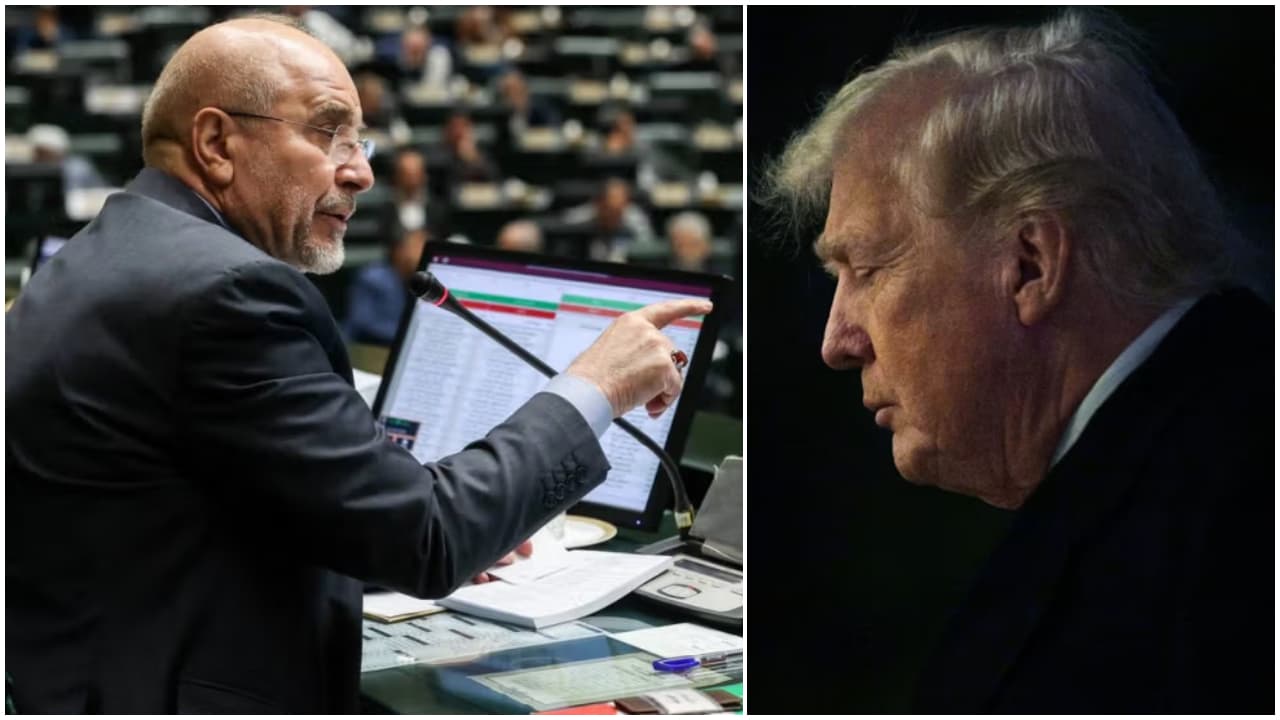
US-Iran negotiations have progressed, but a breakthrough remains elusive as fundamental disputes block a final agreement. Iranian officials state key issues, including the nuclear program and sanctions relief, are unresolved. Tehran insists on greater flexibility from the United States to secure a deal.
Iran has signalled that a breakthrough in its high-stakes negotiations with the United States remains elusive, despite some progress in recent diplomatic engagements aimed at preventing renewed conflict in the Middle East. With the temporary ceasefire nearing its expiry, Tehran has made it clear that several key disputes continue to block a final agreement.

Iranian Parliament Speaker Mohammad Bagher Ghalibaf, who has played a prominent role in the discussions, said the negotiations have moved forward but remain incomplete. “There are many gaps and some fundamental points remain,” he said in a televised statement, underlining Tehran’s cautious position as talks continue. “We are still far from the final discussion.”
The latest round of talks follows weeks of indirect diplomacy involving regional mediators trying to keep both sides at the negotiating table. Officials from multiple countries have been attempting to bridge differences over Iran’s nuclear programme, sanctions relief, and wider security concerns in the Gulf.
Also Read: Yemen's Houthis warn Trump of closing strategic Bab al-Mandeb Strait
While Washington has indicated that discussions are continuing, Iranian officials insist that the United States must show greater flexibility before any lasting agreement can be reached. Tehran believes that some American demands remain unrealistic and could undermine the broader purpose of the negotiations.
Recent reports suggest that both sides have narrowed differences on certain technical issues, raising cautious optimism among mediators that a framework could still emerge. However, the most sensitive issues — including the future of Iran’s uranium enrichment programme and guarantees against future military escalation — remain unresolved.
The urgency surrounding the talks has intensified because the current ceasefire is set to expire within days. If no understanding is reached before that deadline, fears are growing that hostilities could resume, potentially destabilising the region once again.
Despite the uncertainty, diplomatic channels remain open. Iranian officials have not ruled out further negotiations, but their latest remarks suggest expectations are being deliberately lowered ahead of the deadline.
The outcome of these talks could shape not only US-Iran relations but also the wider security landscape in the Middle East, where neighbouring countries are closely watching for signs of either peace or another dangerous escalation.
Also Read: Why US Sees Pakistan Army Chief Asim Munir As A 'Red Flag' In Iran Talks
