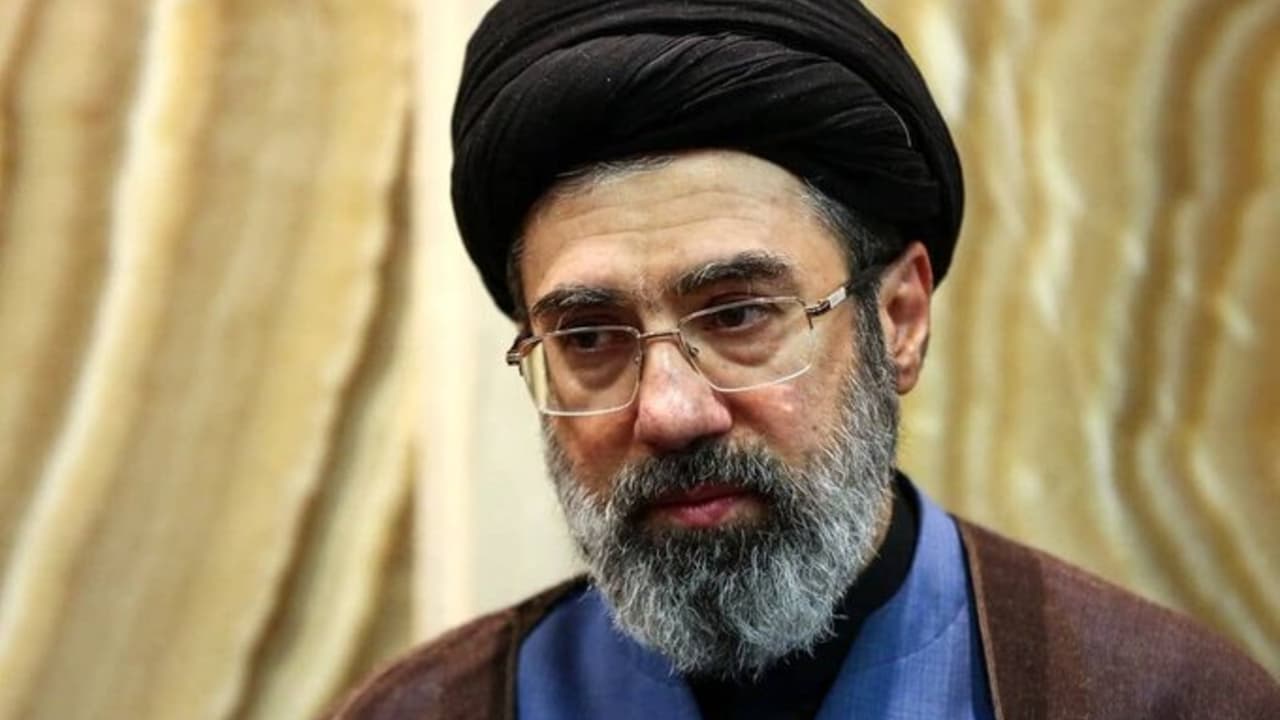
Following the death of his father, Mojtaba Khamenei has been named Iran's new supreme leader, sparking public unrest. In Tehran, residents are protesting what critics call a dynastic transfer of power, chanting slogans from their homes. This succession is viewed as a betrayal of the 1979 Islamic Revolution’s anti-monarchical principles.
Fresh unrest is brewing in Iran after Mojtaba Khamenei—the son of the late Supreme Leader Ayatollah Ali Khamenei—was named the country’s new supreme leader. Videos circulating online show residents in parts of Tehran chanting slogans against Mojtaba from their homes and neighbourhoods, reflecting rising public anger over what critics call a dynastic transfer of power.

In the clip, filmed at night from a building window, women’s voices can be heard shouting “Death to Mojtaba” in Persian, while religious chants can be heard in the distance.
The leadership transition follows the death of Ali Khamenei during escalating regional conflict involving Iran, Israel and the United States. Shortly after his death, Iran’s powerful Assembly of Experts appointed Mojtaba, a cleric long believed to wield influence behind the scenes despite never holding elected office.
Footage shared on social media captured chants such as “Death to Mojtaba” echoing across Tehran neighbourhoods, signalling discontent among some Iranians who oppose hereditary-style leadership in a system founded after the 1979 Islamic Revolution that rejected monarchy.
Related Articles

The protests also highlight deeper frustrations fuelled by years of economic hardship, political repression and ongoing conflict in the region. Analysts say Mojtaba’s rise—backed by conservative power centers and the Islamic Revolutionary Guard Corps—could lead to a tougher domestic crackdown and a more confrontational foreign policy.
As tensions simmer, the chants from Tehran underscore the uncertain and volatile start to Iran’s new political chapter.
Also Read: Who Is Mojtaba Khamenei? Ali Khamenei’s Son Rises as Iran’s Supreme Leader