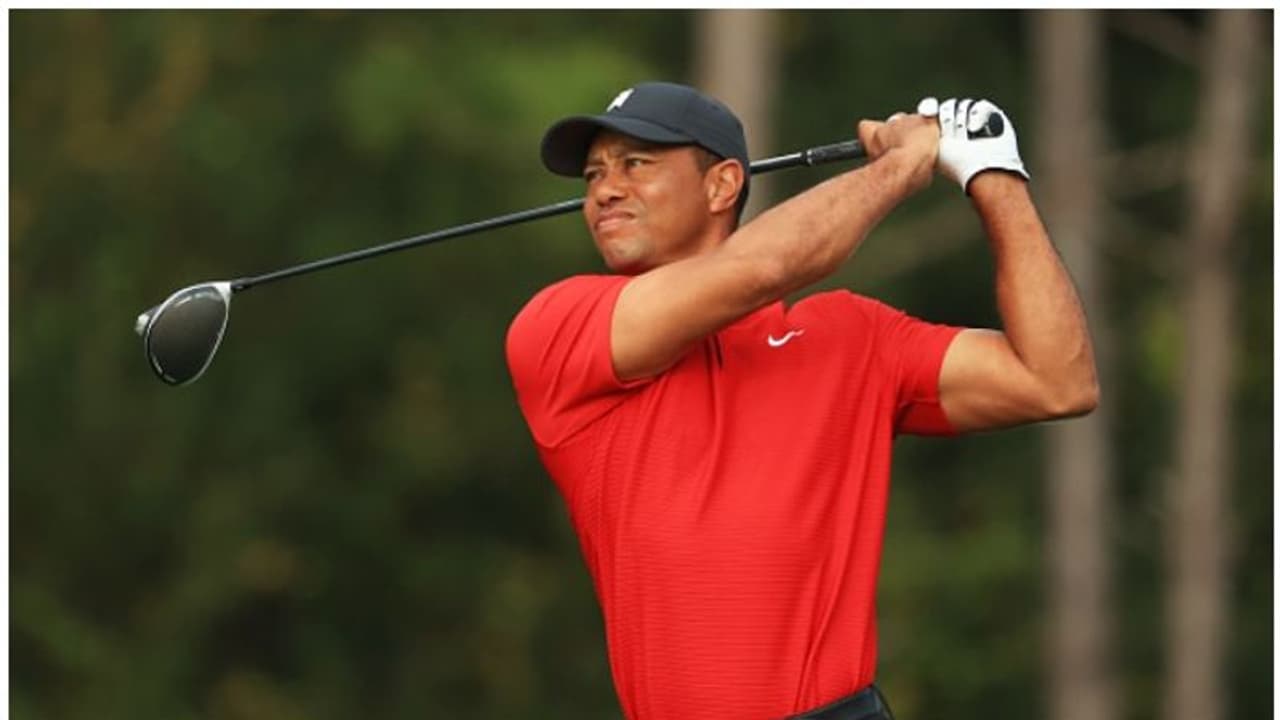
Tiger Woods refused a urine test after his recent crash, facing charges under Florida law. As prosecutors build their case, resurfaced 2017 interrogation footage showing his shocking state has gone viral again.
Tiger Woods’ refusal to take a urine test following his recent rollover crash could be prosecuted under Florida’s updated law, according to legal experts. The golfer, arrested for driving under the influence and property damage, was described by deputies as showing “signs of impairment” despite a Breathalyzer test revealing no alcohol.

Authorities in Martin County said Woods was traveling at high speeds on a residential road in Jupiter Island when his Land Rover clipped a truck and overturned. Investigators noted he appeared lethargic and possibly under the influence of medication. He was arrested and released on bail eight hours later.
Under Florida’s revised statute, refusal to submit to a breath, blood, or urine test is now a misdemeanor even for first‑time offenders. Previously, refusal was only prosecuted if a driver had declined testing during a prior incident. Sheriff John Budensiek confirmed Woods cooperated with deputies but stopped short of completing the urine test at the jail.
Related Articles

Viral 2017 Footage Resurfaces
Amid the latest controversy, Woods’ 2017 DUI interrogation video has resurfaced online, drawing millions of views. The footage shows the golf legend slumped in a police station, barefoot and dazed, struggling to sit upright or follow basic instructions.
In the video, Woods slurred his words, leaned against walls to stay balanced, and failed multiple sobriety tests. During a breathalyzer attempt, an officer had to instruct him: “Blow out… don’t suck in.” At one point, he even asked, “How am I gonna hold it?” when agreeing to a urine test.
Despite his state, the Breathalyzer registered 0.00, with Woods later blaming a mix of prescription drugs. The resurfaced clip has reignited debate over his fitness to drive, especially as he now faces similar allegations nearly a decade later.
Legal experts say prosecutors can still build a case without lab results by relying on deputy testimony, roadside tests, and bodycam footage. Indicators such as slurred speech, bloodshot eyes, or impaired balance could strengthen their argument. However, defense attorneys may seize on the lack of scientific evidence to challenge the charges.