
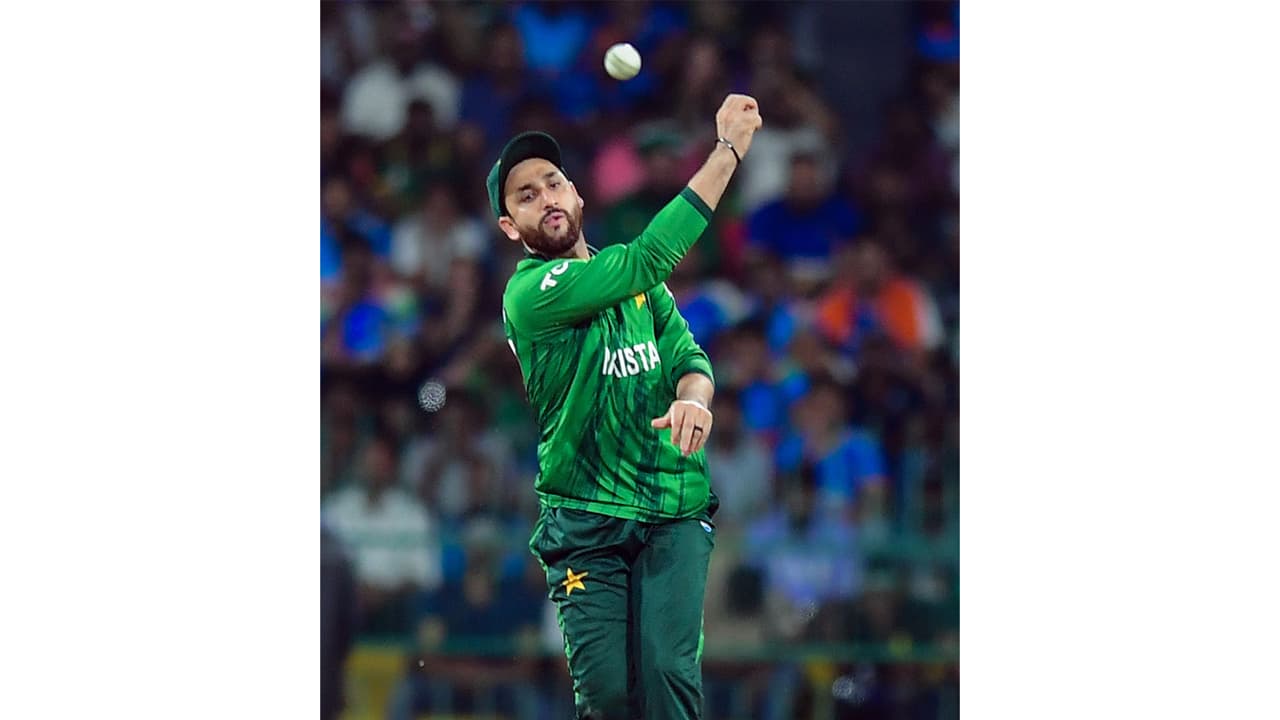
The MCC has declared Salman Agha's controversial run-out in the Pakistan vs Bangladesh ODI as lawful. Following a collision with bowler Mehidy Hasan Miraz, Agha was dismissed while out of his ground. The MCC stated that while the dismissal was correct under the Laws, Bangladesh could have withdrawn the appeal in the 'spirit of cricket'.
The Marylebone Cricket Club (MCC) has addressed the controversial run-out of Pakistan captain Salman Agha during the second ODI against Bangladesh in Dhaka, stating that the dismissal was entirely within the Laws of Cricket, as per ESPNcricinfo. However, the MCC added that Bangladesh could have chosen to withdraw the appeal in the spirit of cricket, considering the situation in which the batter was out of his ground.

The run-out occurred in the 39th over of Pakistan's batting innings, after a collision between bowler Mehidy Hasan Miraz, who was moving across the pitch to field a shot from Mohammad Rizwan, and Agha, who was backing up at the non-striker's end. As Mehidy went to collect the ball, Agha also bent down, seemingly trying to pick it up and return it to the bowler, possibly thinking the ball was dead. Before he could act, however, Mehidy gathered the ball and knocked over the stumps with Agha still out of his ground. After the match, Agha referred to the Spirit of the Game, saying he would have acted differently in that situation and would have chosen to uphold sportsmanship.
MCC's Ruling on the Dismissal
In a statement issued on Monday, the MCC, the guardians of the Laws of Cricket, said the umpires were correct to give Agha out and added that the batter risked being dismissed for obstructing the field by trying to pick up the ball. "Under Laws, there is little that either umpire could have done differently. The non-striker was clearly out of his ground when the wicket was broken, and the ball was in play. That is out," the MCC said in a statement as quoted by ESPNcricinfo.
"It is also worth pointing out that the non-striker had left his ground when the ball was in play and had just started to attempt to regain his ground when he collided with Mehidy. Furthermore, no batter should attempt to pick the ball up without the consent of the fielding side, and had he done so, he would have been at risk of an Obstructing the field dismissal. In retrospect, he would have been better using that time to attempt to regain his ground," the statement reads further.
Why the Ball Was Not Considered 'Dead'
The MCC clarified that the ball was not dead during the incident, as collisions do not make it so and there was no serious injury. Even under the new law coming in October, the ball cannot be considered "finally settled" while a fielder is actively attempting a run-out. Therefore, Agha's dismissal was fully lawful, and there is no basis to argue it should be ruled Not Out or that the Law needs changing. "There have been some suggestions that the ball should have been treated as Dead. That is not viable under the Laws; the ball does not become dead when players collide - if it did, that would incentivise players to seek out collisions when the situation was advantageous. There was no question of a serious injury, so there could be no call of Dead ball for that. It could not have been clear to the umpire that all the players ceased to consider the ball to be in play, since Mehidy clearly believed it was live, even if Agha did not. And it cannot have been finally settled in the hands of the bowler or wicket-keeper, since it was on the ground," the MCC said in a statement.
"Under the new Laws, which will come into effect in October, an umpire will be able to determine that the ball is finally settled if it is stationary on the ground. However, it is hard to make an argument that the ball is finally settled if the nearest fielder to it is attempting to run the non-striker out, with that non-striker out of their ground. There is no case, therefore, to be made that this was Not out under Law, nor that the Law could be re-written to somehow make a situation like this Not out," it added.
The 'Spirit of Cricket' Aspect
The MCC noted that while the dismissal was lawful, the fielding team could have chosen to withdraw the appeal in the spirit of cricket, as Agha appeared to think the ball was dead and was trying to help after an accidental collision. "Yet many people have expressed sympathy for Agha and suggested that this dismissal was against the Spirit of Cricket. It certainly would have been possible for Mehidy, as the Bangladesh captain, to withdraw his appeal. Agha clearly thought the ball was dead and was attempting to assist the fielding side after an unintentional collision which made it harder for him to regain his ground. The Laws allow a withdrawal for incidents where the batter is out in Law, but the fielding side feels that it would be better, within the Spirit of Cricket, to allow them to continue," the statement added.
(Except for the headline, this story has not been edited by Asianet Newsable English staff and is published from a syndicated feed.)