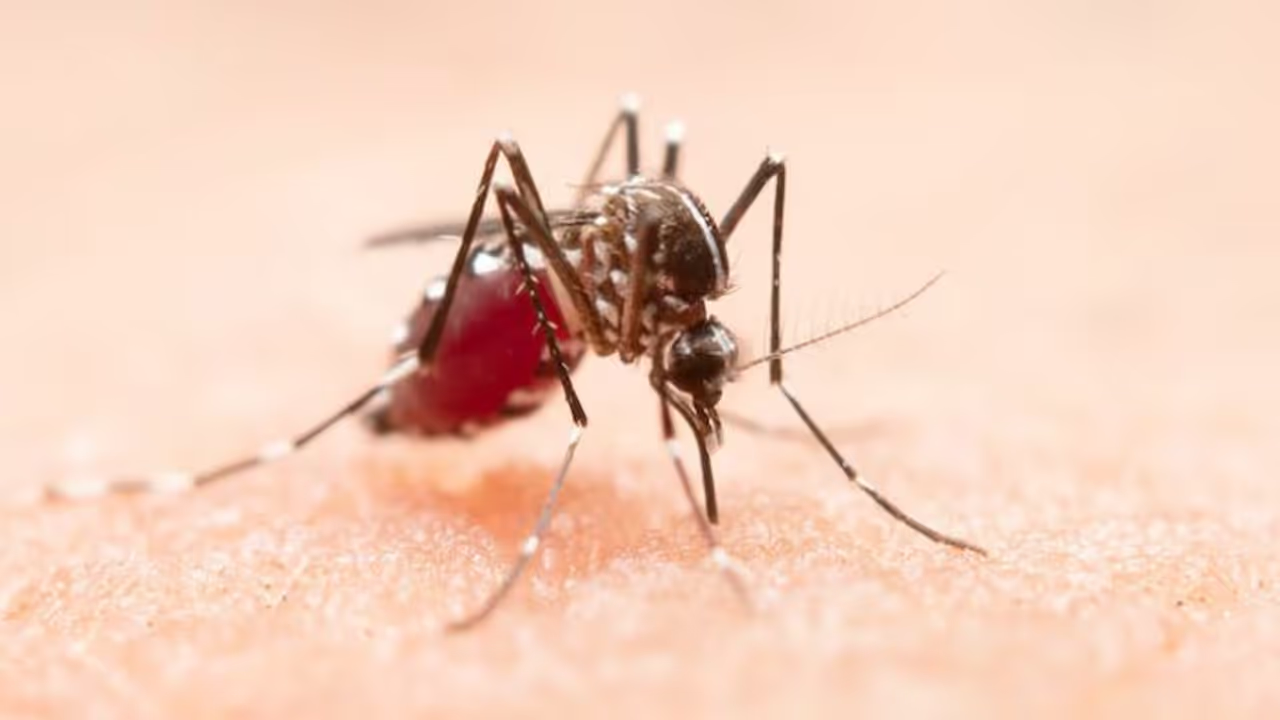
The main signs of malaria are high fever with chills, headaches, and vomiting. If you don't get treatment on time, this disease can be fatal.
Every year, we observe World Malaria Day on April 25th. This day is a global reminder of the ongoing fight against malaria, a mosquito-borne disease that affects millions of people worldwide.

Malaria is a serious infection caused by a parasite called Plasmodium. It is spread to humans through the bites of infected female Anopheles mosquitoes. The most common symptoms are high fever with severe chills, headaches, and vomiting. It's crucial to get treatment quickly, as the disease can become life-threatening if left untreated.
The main ways to prevent malaria are through mosquito control and preventive medicines. When an infected female Anopheles mosquito bites a person, the Plasmodium parasites in its saliva enter the bloodstream. From there, they travel to the liver and then go on to infect the red blood cells. Symptoms usually start to show up between 8 and 30 days after the mosquito bite. This period is known as the incubation period.
Related Articles

How to Protect Yourself
Here are some simple steps you can take to prevent malaria:
- Sleep under a mosquito net.
- Wear clothes that cover most of your body.
- Use mosquito repellent creams or sprays.
- Make sure there is no stagnant water around your house.
- Clear any rainwater that has collected on your terrace or sunshades.
- Cover wells, water tanks, and other storage containers with a net.
- Install nets on windows, doors, and air vents to keep mosquitoes out.
The main medicine used to treat malaria is Chloroquine. Doctors also use a combination of drugs like Chloroquine, Primaquine, Quinine, and Artesunate for treatment.