Lastly, ignoring subtle digestive symptoms such as bloating, fatigue, or irregular bowel movements is common. These are early warning signs that should prompt a medical evaluation rather than home remedies or elimination diets.
The gut is far more than a digestive organ — it’s a dynamic ecosystem that influences metabolism, immunity, and even mood. However, many women follow daily habits that may seem harmless but can negatively affect their gut health. One of the most common mistakes people make is irregular eating.

This disrupts the gut’s motility rhythm and alters the microbiome diversity, especially with habits like crash diets and skipping meals. In women, it is more common because they have to balance life, work, family, and societal norms and end up having issues like constipation, bloating, and acid reflux.
Gut-Health Mistakes
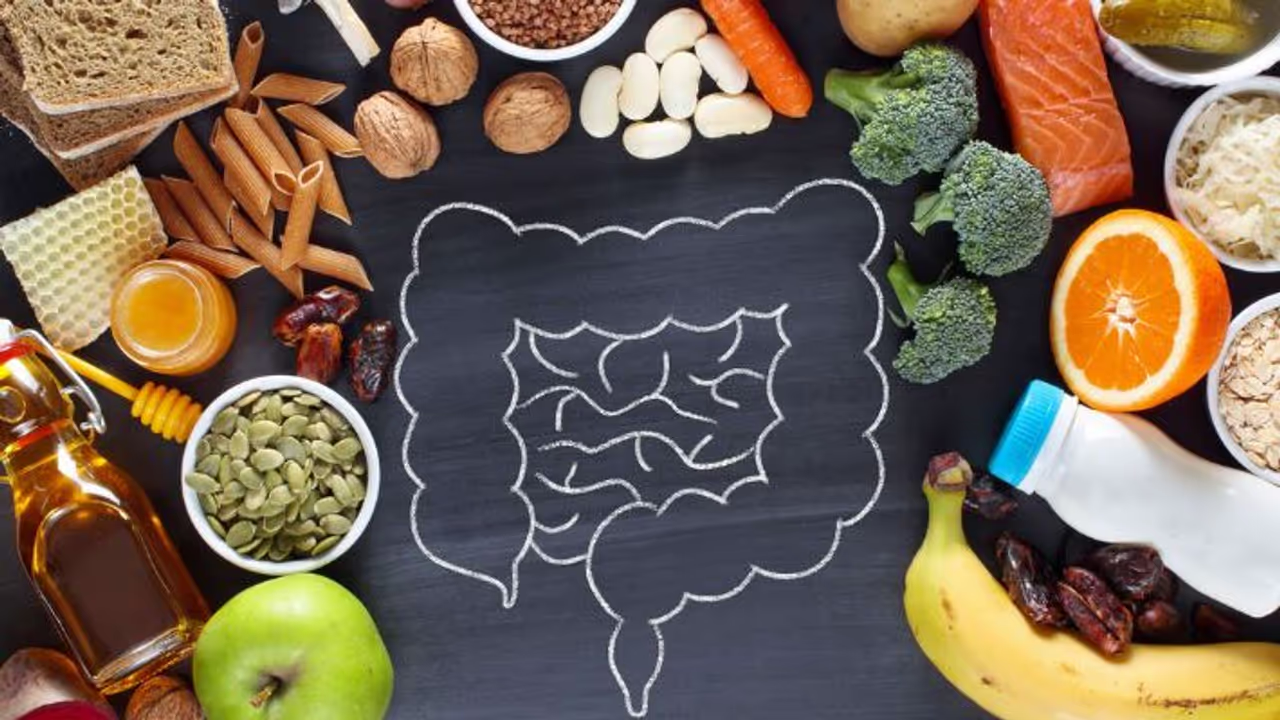
Eating excessive processed or low-fibre foods is another common culprit behind altered gut health. Fibre fuels beneficial gut bacteria and helps maintain bowel regularity. As we all know an urban diet is infamous for having refined carbohydrates, packaged snacks, and sugary beverages, and thus, it lacks the necessary fibre needed for the body. Therefore, to restore gut balance, it is wise to include vegetables, fruits, whole grains, and fermented foods like yogurt or idli batter in your platter.
Related Articles

Chronic stress is another very common factor that most women suffer from. The gut and brain communicate through a complex neural network. Excessive stress can exacerbate conditions like Irritable Bowel Syndrome (IBS) and increase gut sensitivity. By using techniques such as mindful eating, breathing exercises, and adequate sleep, you can regulate this gut-brain connection.
We also see many women self-medicating or using antibiotics often for aseasonal cold or cough. This may appear harmless, but it can potentially upset the microbiota and lead to recurrent digestive problems. The use of over-the-counter antacids without a doctor’s suggestion can also reveal underlying reflux issues or peptic ulcers.
Lastly, ignoring subtle digestive symptoms such as bloating, fatigue, or irregular bowel movements is common. These are early warning signs that should prompt a medical evaluation rather than home remedies or elimination diets.
Prioritising gut health begins with small, consistent choices, regular meals, stress management, adequate hydration, and timely medical care. A balanced gut doesn’t just mean better digestion; it supports hormonal balance, immunity, and overall vitality, especially for women, whose lifestyles often stretch them in many directions.
-Dr Veerendra Sandur, Consultant - Gastrointestinal Science, Manipal Hospital Kanakapura Road