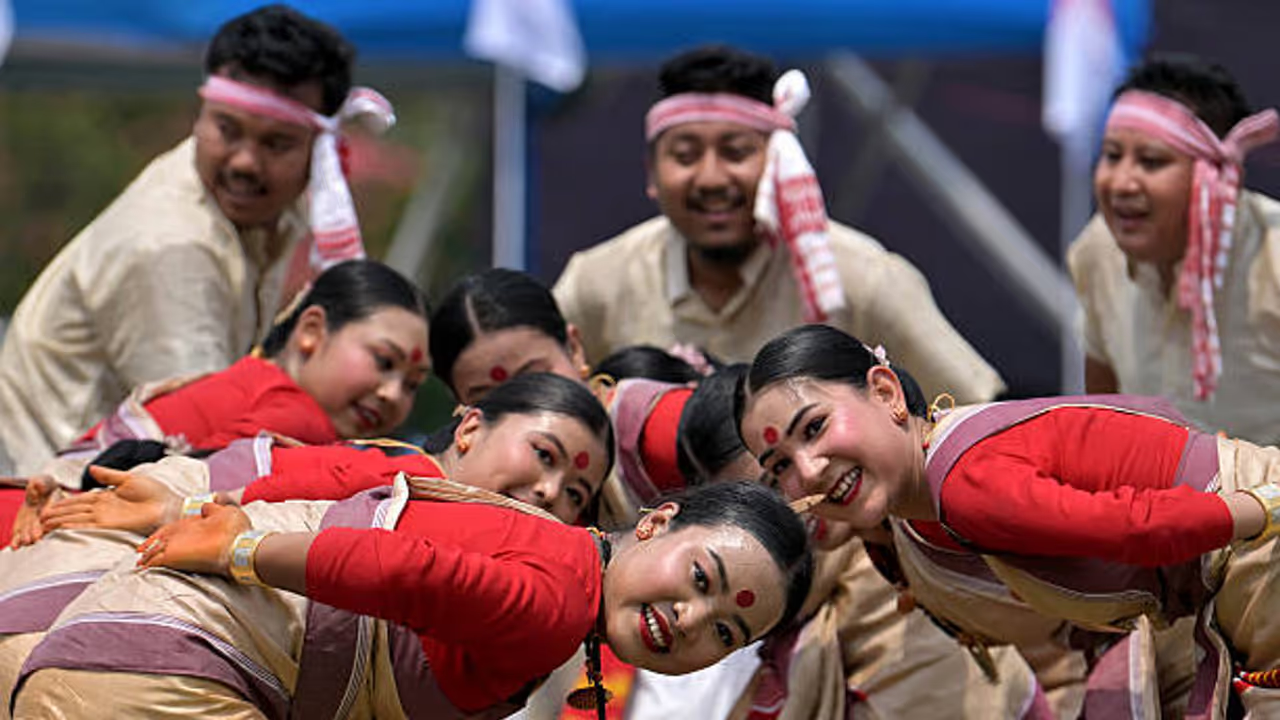
The Biju Festival 2026 marks the vibrant New Year celebration of the Chakma people, observed with rituals, food, and traditions that reflect its deep cultural roots and significance.
The Biju Festival in 2026 will be celebrated from April 13 to April 15, marking the traditional New Year of the Chakma people. This three-day festival is one of the most important cultural celebrations for the community and is observed with great enthusiasm, especially in Northeast India and parts of Bangladesh.

Each day of Biju has its own significance. The first day, known as Phool Biju, involves offering flowers to rivers and decorating homes. The second day, Mul Biju, is the main celebration, filled with feasts, music, and traditional dances. The final day, Gojjepojje Din, is marked by family visits, blessings from elders, and welcoming the New Year with positivity.
Origin and Cultural Significance
The origins of Biju can be traced to the Chittagong Hill Tracts, where the Chakma community has lived for generations. The festival symbolises the end of the old year and the beginning of a new cycle of life. It reflects themes of cleansing, renewal, and gratitude toward nature.
Related Articles

People thoroughly clean their homes, wear colourful traditional attire, and prepare a variety of dishes. Folk songs and dances are performed, showcasing the rich cultural heritage of the Chakma community. The festival also strengthens social bonds, as families and neighbours come together to celebrate.
Connection to Chakma New Year
Biju is directly linked to the Chakma New Year, often referred to as “Bizu.” The last day of the festival marks the official start of the new year. On this day, people seek blessings from elders and pray for prosperity, happiness, and good health.
Food plays an important role during the celebrations, especially a special dish called Pachon, made with mixed vegetables and herbs. Overall, Biju is not just a festival but a reflection of the Chakma way of life, highlighting unity, respect, and harmony with nature.