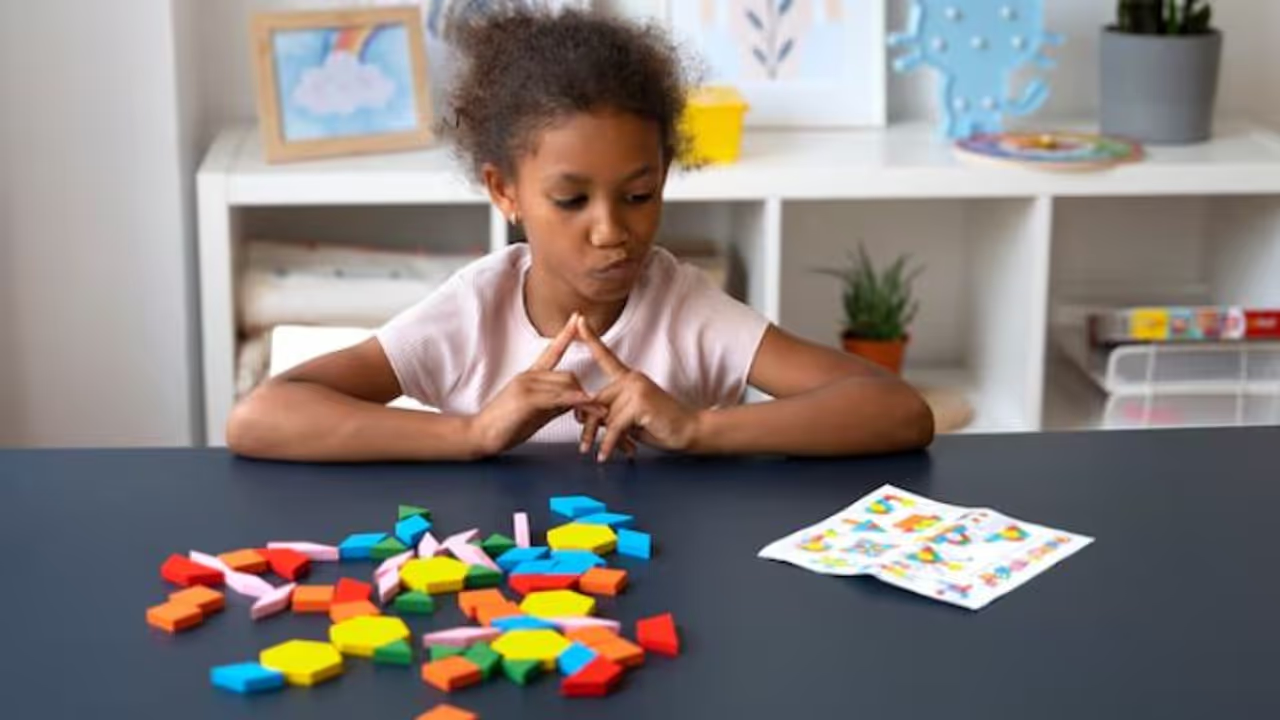
The diagnostic process fails to identify many individuals with the condition because their symptoms do not meet standard diagnostic criteria.
Autism Spectrum Disorder (ASD) is widely understood as a neurodevelopmental condition that affects how individuals communicate, behave, and interact with the world. Yet, when it comes to girls, autism often slips under the radar. The diagnostic process fails to identify many individuals with the condition because their symptoms do not meet standard diagnostic criteria.

A Different Presentation in Girls
Autism doesn’t always look the same in everyone. Girls show their symptoms in different ways than boys. Boys typically display more apparent repetitive actions and social isolation, while girls display greater desire for social interactions. Girls who desire to build friendships face challenges that prevent them from sustaining those connections. Many girls also become skilled at “masking” or camouflaging their symptoms. They study their peers to copy their social interactions and practice specific dialogue to achieve social acceptance. They provide a socially competent appearance, which leads to their experience of physical and mental exhaustion combined with emotional distress.

Related Articles

Internal Struggles Often Overlooked
Another reason autism in girls goes undiagnosed is the nature of their challenges. Girls tend to show their difficulties through internalising problems, rather than through externalised behaviour. Their internal struggles manifest through anxiety and depression and diminished self-worth instead of disruptive behaviour. Because of this, they are often misdiagnosed with mental health conditions without recognising the underlying autism. In some cases, anxiety disorders and eating disorders will become the main treatment focus, while the autism diagnostic criteria remain undetected.
Subtle Signs That Are Easy to Miss
The signs of autism in girls can be subtle. They may show their signs through two main struggles, which include trouble starting and holding conversations and social cue comprehension difficulties and social setting anxiety. People show repetitive interests that match socially acceptable themes, which reduces their visibility to others. People with autism often experience sensory sensitivities which include discomfort against specific sounds and textures and environmental conditions. The sensory sensitivities which people experience throughout their lives get treated as personality traits instead of autism indicators.
The Role of Diagnosis and Support
Early diagnosis is important because autism is not a disease to be cured but a condition that requires the right support. Identifying it early allows individuals to benefit from therapies such as behavioural, speech, and occupational therapy, which help improve communication, social interaction, and daily living skills. Structured educational support, including individualised learning plans, further strengthens development. While medications may be used, they are only meant to manage co-occurring conditions like ADHD, anxiety, or seizures—not autism itself.
Breaking Common Myths
Misconceptions continue to contribute to underdiagnosis. Autism is not caused by parenting, and it is not limited to childhood—it is a lifelong condition. People with autism have the same capacity for empathy, but their emotional expressions differ from typical human behavior patterns. There is also no scientific evidence linking vaccines to autism. Understanding these facts helps shift the focus toward acceptance and support rather than stigma.
Moving Toward Better Awareness
What this really means is we need to rethink how we identify autism, especially in girls. Greater awareness among parents, educators, and healthcare professionals can lead to earlier recognition and intervention. Every person with autism exhibits unique characteristics which create an individual path of development. Girls with autism will achieve success through proper support, which enables them to develop strong relationships and experience complete life fulfilment.
-(Dr. Amlan Tapan Mohapatra, Associate Consultant - Neurology, Manipal Hospital Bhubaneshwar)