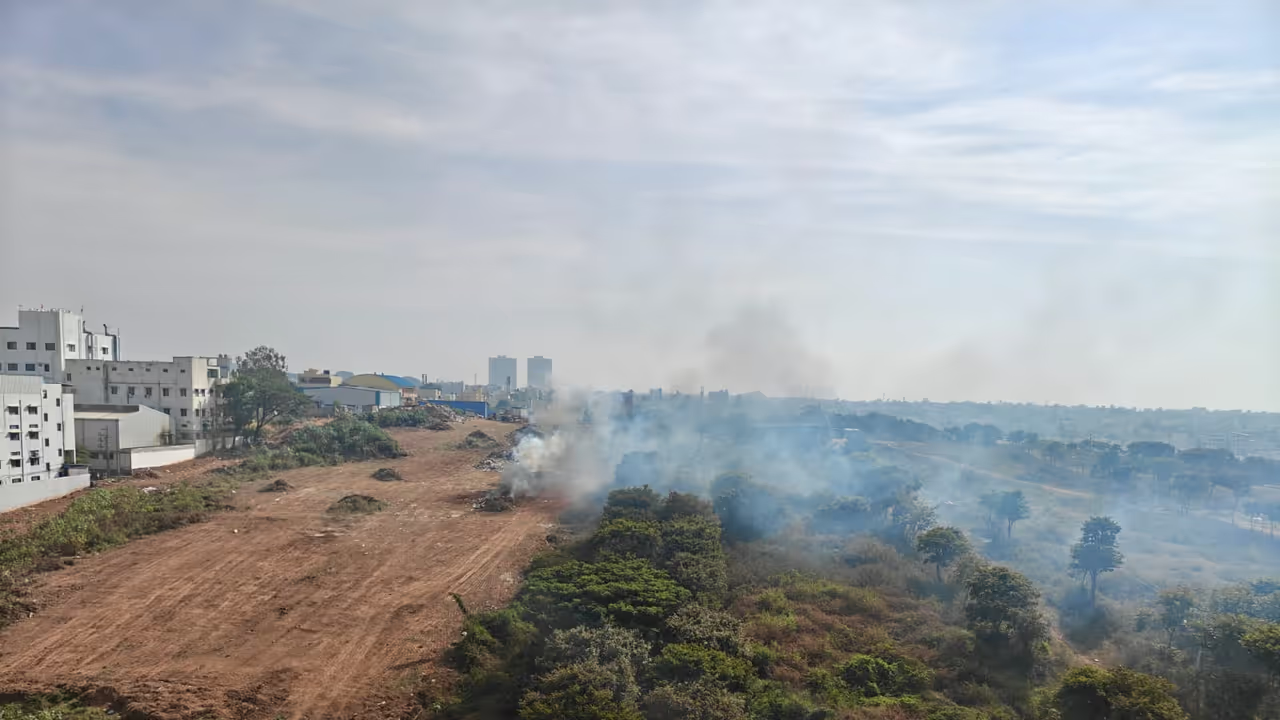
Bengaluru faces a severe garbage crisis as waste collection halts in nearly 60% of wards amid workers’ protests over unpaid salaries and safety concerns. Garbage is piling up across the city, posing serious public health risks and raising concerns over waste management.
The city’s garbage collection crisis is rapidly escalating, with the situation in areas under the Greater Bengaluru Authority (GBA) reaching a critical stage. Over the past three days, door-to-door waste collection has nearly come to a standstill, leaving piles of garbage strewn across roads in several parts of the city. The worsening civic situation is causing severe inconvenience to residents and raising serious public health concerns.

The crisis is expected to intensify further, as auto tipper drivers and their helpers have decided to halt waste collection in more wards from today. Collection has already been suspended in nearly 60 per cent of wards. Alarmingly, garbage accumulation is visible even in central areas such as Majestic, highlighting the scale of the problem.
Staff Launch Non-Cooperation Movement
Auto drivers and helpers involved in waste collection have initiated a non-cooperation movement, halting their duties over multiple grievances. Key issues include improper waste segregation practices, lack of safety measures, and non-payment of salaries. This disruption has thrown the entire door-to-door collection system into disarray.
Related Articles

Also Read: Bengaluru Garbage Crisis Eases as GBA Approves ₹350 Crore for Dumping Yard Areas
Dispute Over Waste Segregation
The GBA has directed staff to segregate waste into three categories. However, workers have raised strong objections, stating that they have not received adequate training. Many have reported injuries such as cuts on their hands and skin infections while handling mixed waste.
Workers have also expressed anger over being forced to take on segregation duties despite the presence of Dry Waste Collection Centres (DWCCs) in every ward. The issue is compounded by the public’s failure to segregate dry, wet, and plastic waste at the source before disposal.
Allegations of Unpaid Salaries
Serious concerns have been raised regarding unpaid wages. Reports indicate that nearly 10,000 auto drivers and helpers have not been paid for the past six months. Additionally, around 18,000 pourakarmikas under the direct payment system are reportedly awaiting salaries for the last two months.
Key Demands of Workers
- Immediate clearance of pending salaries
- Assurance of job security and provision of safety equipment
- Reforms in the waste segregation system
- Mandatory segregation of waste at source by the public
- Segregation to be carried out at collection centres, not by field staff
GBA Takes a Tough Stand
Amid the ongoing crisis, the GBA has adopted a strict stance, warning that it may invoke the Essential Services Maintenance Act (ESMA) against those refusing to work. Police complaints have also been filed against contractors who have failed to fulfil their responsibilities. Officials have registered FIRs against contractors handling 24 packages in areas such as R.R. Nagar, C.V. Raman Nagar, and Agrahara.
City’s Waste Management System: Key Figures
Bengaluru generates approximately 3,000 to 3,500 tonnes of waste daily. The city spends an estimated ₹1,400 to ₹1,600 crore annually on waste management.
The system relies on around 10,000 contract workers for door-to-door collection and 18,000 to 20,000 pourakarmikas. Nearly 1,500 auto tippers are deployed for primary collection, while about 650 lorries and compactors transport waste to transfer stations and dumping yards.
Segregation System Under Strain
The city has an established system for segregating dry and wet waste. Around 40 to 50 Dry Waste Collection Centres (DWCCs) are operational, where materials such as plastic, metal, and paper are sorted. However, the current crisis has exposed significant gaps in implementation and compliance.
Public Health Concerns Rise
The disruption in waste collection has resulted in unsanitary conditions across multiple localities, heightening fears of a public health crisis. With garbage piling up on the streets, residents are increasingly concerned about hygiene and the risk of disease outbreaks.
The situation is expected to worsen further as more areas face a halt in waste collection. Citizens are urging authorities to take immediate and effective action to resolve the crisis and ensure a sustainable, long-term solution.
Also Read: Bengaluru garbage crisis: Govt to buy 100 acres for permanent fix