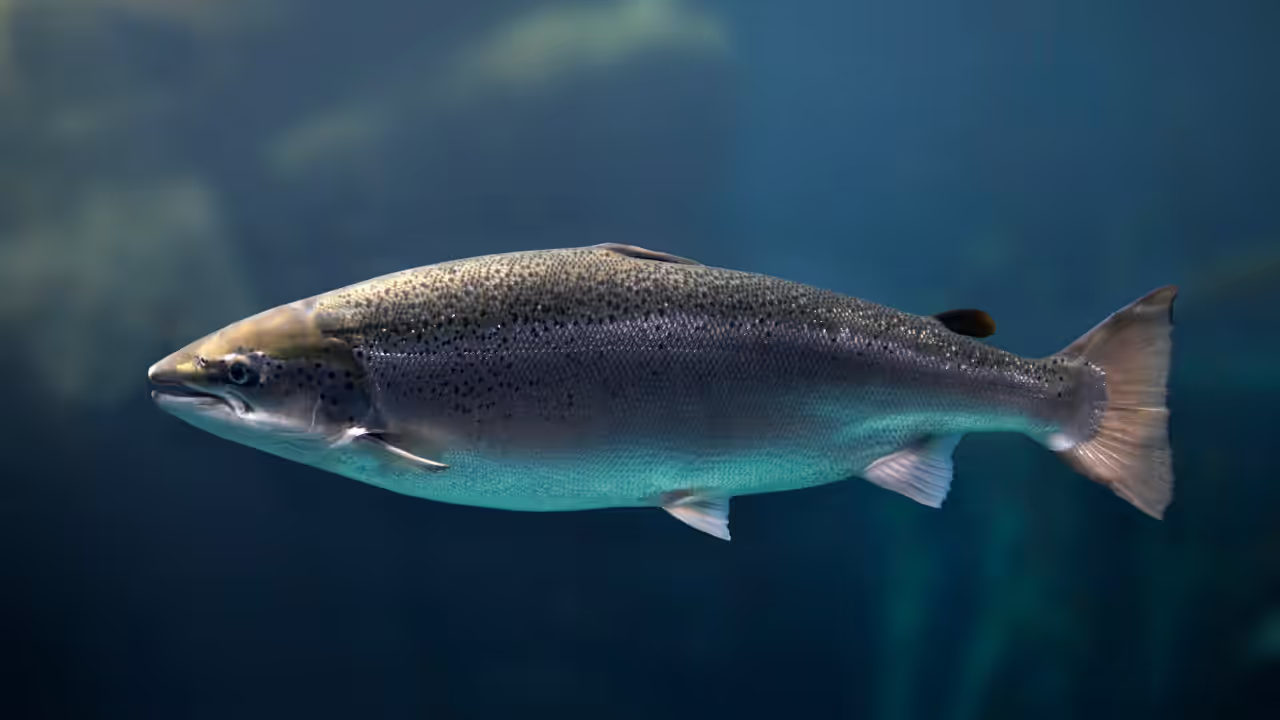
Discover how cocaine pollution in waterways is making wild salmon swim longer distances. A new study shows the alarming impact of drugs on fish behavior and biodiversity.
Salmon exposed to cocaine in the water swim longer distances than those who go without, according to a study released this week.

Cocaine use is on the rise worldwide, with the UN reporting an estimated 25 million people used the stimulant in 2023 and the drug being increasingly found in waterways.
Joint research released Monday by scientists at Australia's Griffith University and the Swedish University of Agricultural Sciences studied how the drug affected the movements of wild fish in their natural habitats.
Related Articles

Researchers took a hundred wild Atlantic salmon in Sweden's Lake Vattern and exposed them to both cocaine and benzoylecgonine -- a metabolite created by the drug in the liver -- and then tracked their movements.
Also read: Study Finds Two Widely Used Medicines Could Reverse Fatty Liver Disease
Cocaine Contamination in Water
They found the river-dwellers living the high life travelled 1.9 times further per week than their clean-living control cousins.
Those exposed to the by-product also swam up 12.3 kilometres (7.6 miles) farther, the study found.
"Any unnatural change in animal behaviour is a concern," report co-author Marcus Michelangeli from Griffith University's Australian Rivers Institute told national broadcaster ABC.
"We're finding higher and higher concentrations of not just illicit drugs but all types of pharmaceuticals in our waterways."
Researchers have warned the pollution of waters by common drugs poses "a major and escalating risk to biodiversity".
Associate professor Michael Bertram at the Swedish University of Agricultural Sciences said the study showed the need for improving wastewater treatment and monitoring.
"Our study shows that drugs are not only a societal issue, but also a concrete environmental challenge," he said.
oho/sft/mtp
© Agence France-Presse
(Except for the headline, this story has not been edited by Asianet Newsable English staff and is published from a syndicated feed.)
Also read: Breakthrough Study: This Indian Plant May Help Remove Microplastics from Drinking Water