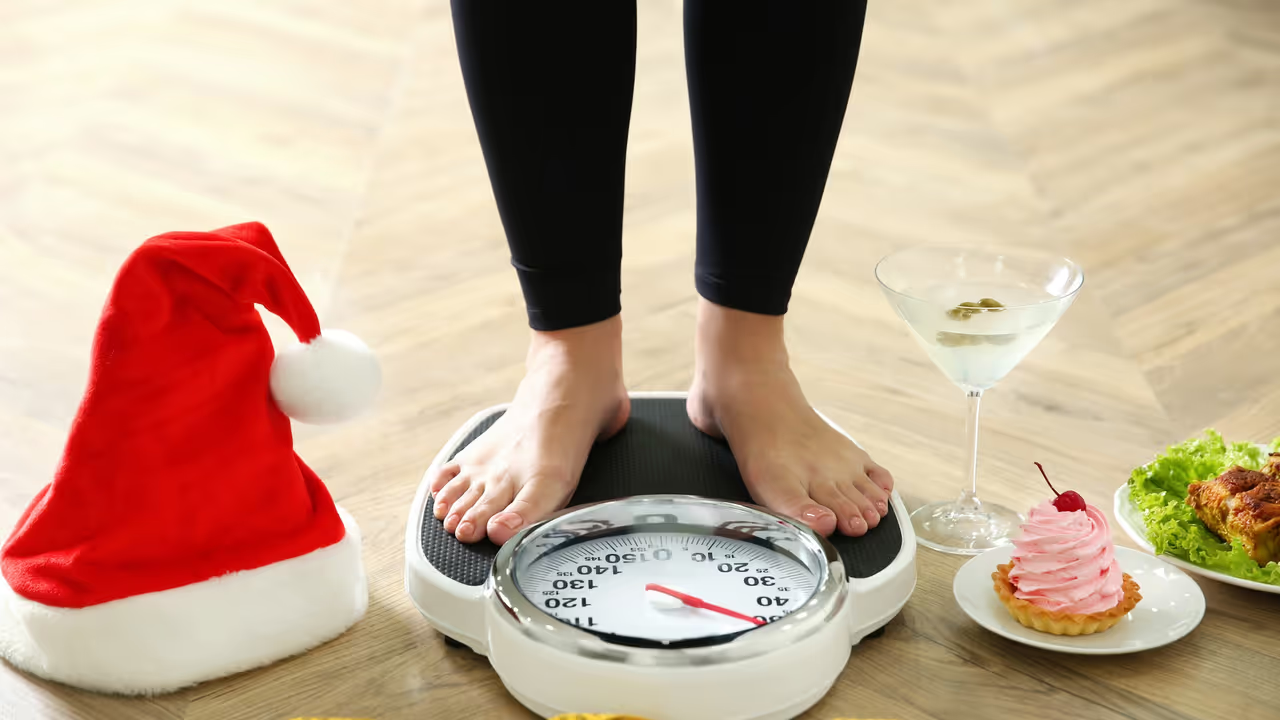
Christmas indulgence may lead to small, temporary weight gain, but science shows most people gain only a few pounds at most. Much of the increase is water weight and usually drops once routines return to normal, experts say.
Christmas indulgence is often blamed for festive weight gain, but science suggests the reality is far less dramatic than many fear. While rich meals, desserts, and celebratory drinks do add extra calories, research shows that most people gain only a small amount of weight — much of which is temporary.

Experts say what happens in the weeks after Christmas matters far more than the food eaten on the big day itself.
What the Research Says About Festive Weight Gain
Despite popular belief, few high-quality studies have tracked Christmas weight gain closely. Those that have generally show modest changes. One US study following adults over the winter holiday period found an average gain of just 0.8 pounds (0.37kg). Similar research in Sweden reported gains of around 0.9 pounds (0.4kg) over a two- to three-week break.
Related Articles

A larger UK study published in PLOS One followed more than 3,500 people from late November to January and found an average increase of around 1.2kg (roughly 3lb). Crucially, most participants began losing that weight again by early spring.
Scientists say much of this short-term gain is not fat, but water retention, stored carbohydrates, and simply having more food in the digestive system.
Why Calories Don’t Affect Everyone the Same Way
Dr Duane Mellor, a registered dietitian, explains that weight gain is not as simple as “calories in, calories out.” Factors such as age, sex, muscle mass, genetics, and activity levels all influence how the body responds to extra food.
Men generally gain weight less easily than women due to differences in body composition, while conditions such as thyroid disorders can also play a role. This means two people eating the same festive meals may see very different results on the scales.
Short bursts of overeating can also trigger temporary changes in cholesterol levels, gut bacteria, and immune function, but these usually reverse once normal routines resume.
Why Small Habits Matter More Than Big Resolutions
Experts warn against extreme New Year diets. Instead, small, realistic changes are more effective. Research from UK universities found that people who received simple advice such as weighing themselves regularly and understanding how much exercise offsets festive treats avoided weight gain altogether.
Those without guidance gained nearly a pound over Christmas, while those with support actually lost weight.
The takeaway is reassuring: a few indulgent days won’t undo a year of healthy habits. It’s consistency after Christmas that determines long-term weight, not the holiday feast itself.