Melting ice in West Antarctica releases unusable iron, weakening the Southern Ocean's ability to absorb CO2. Find out how this process could worsen climate change.
Scientists have found that melting ice in West Antarctica might reduce one of the ocean's natural ways of fighting climate change. This natural defence is the Southern Ocean's ability to take in carbon dioxide from the atmosphere, a process mainly driven by tiny marine plants called algae.

A recent study examined how the West Antarctic Ice Sheet and ocean life interacted during past ice ages and warmer times. Researchers looked at a long core of seabed sediment taken from deep under the Southern Ocean. This sediment acts like a record which shows changes in ice, ocean conditions, and biological activity over hundreds of thousands of years. The study was published in Nature Geoscience.
Iron and Algae
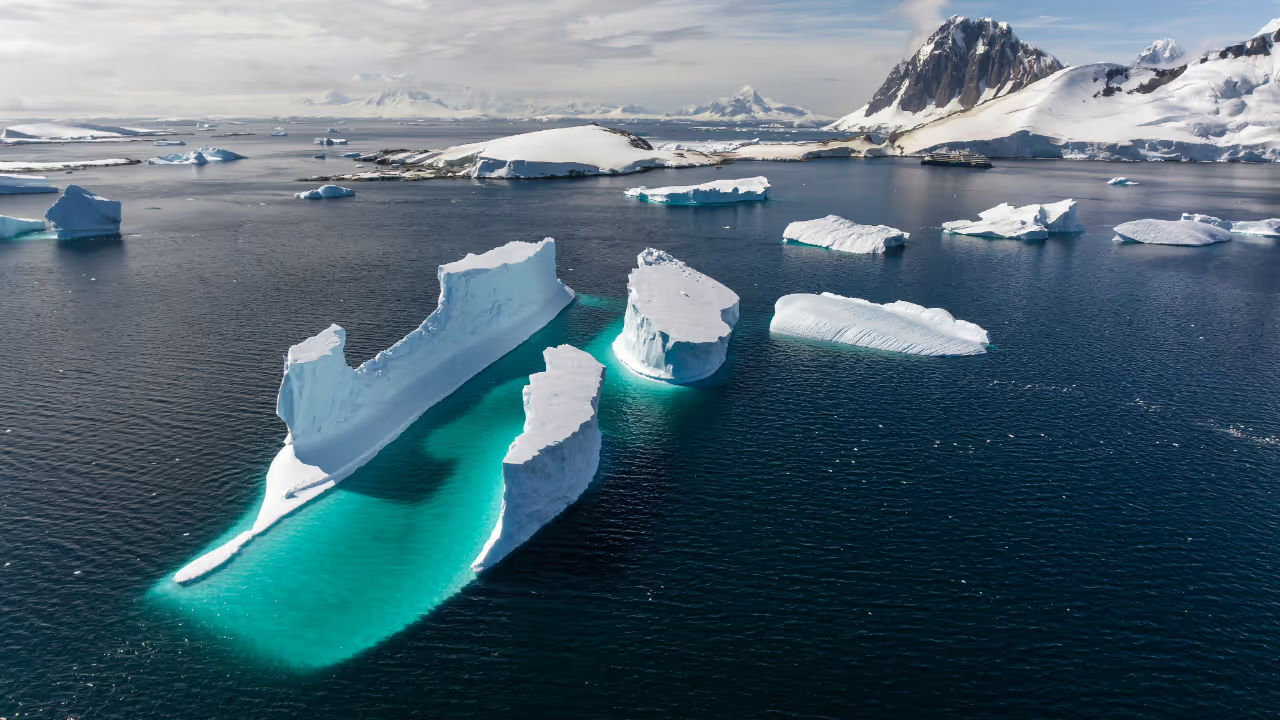
The team paid special attention to iron, an element that usually helps algae grow. When algae are abundant, they take in more carbon dioxide from the air and store it in the ocean, helping to cool the planet. A lot of the iron in this area comes from icebergs that break off from Antarctica and melt as they move north, releasing sediment into the sea.
Related Articles

Interestingly, the study found that periods with more iron didn't always mean more algae growth. In fact, the highest levels of iron often happened during warmer periods, when many icebergs were released from West Antarctica, yet algae growth stayed low.
Unusable Iron
The reason for this is the type of iron being carried. Much of the iron from these icebergs came from very old rocks under the ice sheet, which had been changed by chemical processes over a long time. This weathered iron doesn't dissolve easily in seawater, making it hard for algae to use. So, even though more iron entered the ocean, it didn't help biological activity or carbon absorption.
This discovery challenges old ideas based on dust-blown iron, which helped ocean life during colder, glacial periods, especially north of Antarctica. South of that line, iceberg-derived iron seems to act very differently.
Future Warming Risks
The sediment record also shows that the West Antarctic Ice Sheet was very sensitive to warming in the past. About 130,000 years ago, during a warm time similar to today, a lot of ice was lost. Thick ice broke up, creating many icebergs that scraped rock from the ground beneath and released it into the ocean.
Looking ahead, ongoing global warming could lead to similar conditions. While a quick collapse of the ice sheet is not expected soon, continued thinning might increase iceberg activity and the release of iron that isn't easily usable. This could lower the Southern Ocean's ability to absorb carbon dioxide, creating a feedback loop that makes slowing climate change even harder.