
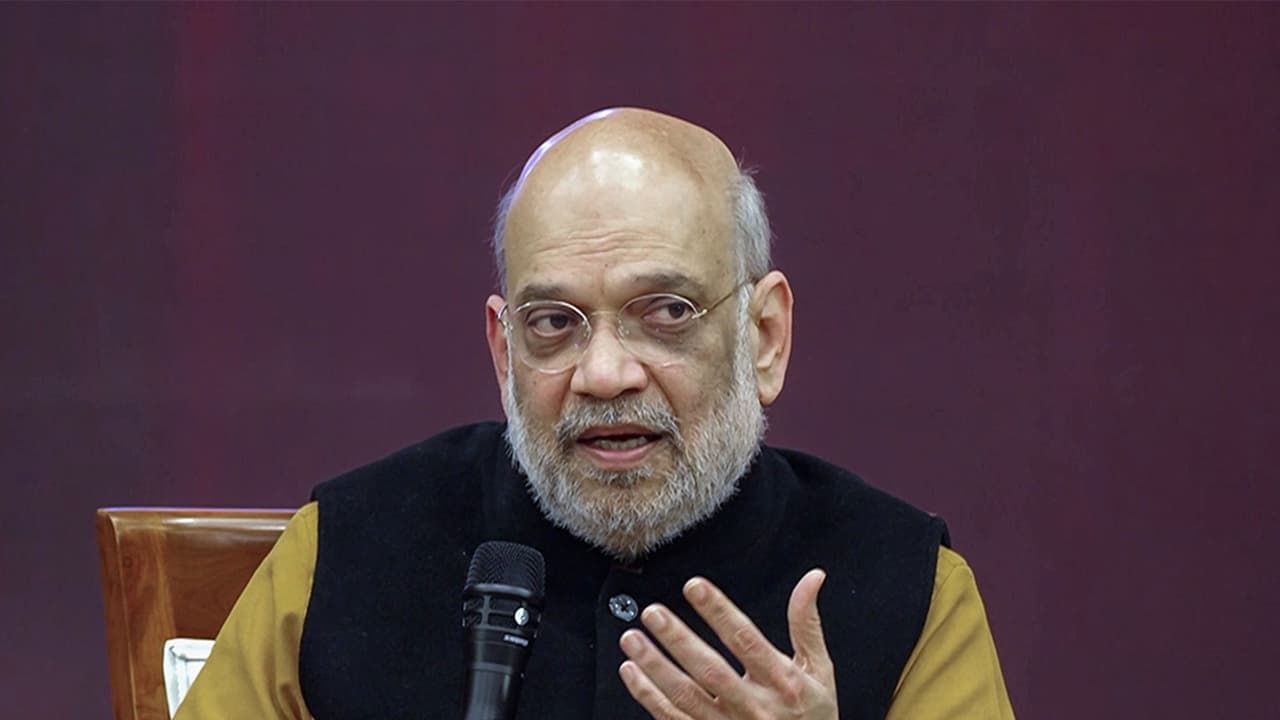
The Centre is seeking to amend the Nari Shakti Vandan Adhiniyam to delink women's reservation from a new census. The plan is to use the 2011 census for delimitation, increase Lok Sabha seats, and implement the quota by the 2029 elections.
Govt Seeks Consensus to Amend Women's Quota Bill
The Central government is making efforts to reach out and garner support from opposition parties for the amendment to the Nari Shakti Vandan Adhiniyam, also called the Women's Reservation Bill, which aims to delink quotas for women from the delimitation process. The bill is likely to be introduced in this budget session. To build consensus, Home Minister Amit Shah has held meetings with leaders from various opposition parties, including BJD, YSRCP, NCP (Sharad Pawar), Shiv Sena (UBT), Samajwadi party and others. The bill was passed by Parliament in 2023. The base for delimitation had originally been set at the 2011 census. The Delimitation Act will be amended accordingly. The Government is currently building consensus as this legislation will need 2/3rd majority to pass this legislation, making it crucial to secure support from opposition parties.

Meanwhile, Union Home Minister Amit Shah also held a meeting with NDA parliamentary floor leaders. LJP Sambhavi Choudhary, Lalan Singh, Union Minister Kiren Rijiju, Upendra Kushwaha, Shrikant Shinde, Milind Deora, Thambidurai, Anupriya Patel, Praful Patel, Rajkumar Sangwan, along with several other NDA MPs, were present in the meeting.
Major Amendments Planned
As per the top sources, the Government has planned two major amendments. 2023's Nari Shakti Vandan Act tied women's reservation to the new census and delimitation. Due to census delays, the plan is to proceed with the 2011 census data. The 2011 census is to be the basis for delimitation and seat redistribution. Lok Sabha seats may increase from 543 to 816 post-amendment. A bill will be introduced in Parliament to amend the Nari Shakti Vandan Act. A separate Delimitation Bill will be introduced. Both bills need to be passed as Constitutional amendments for women's reservation.
Impact on Lok Sabha and Reservations
The new Lok Sabha is likely to have more than 800 seats. Keeping up with the status quo, there is no provision for OBC reservation, and SC/ST reservation will continue. However, states won't have a role; the bill passed by Parliament will apply to them. Currently, the Lok Sabha has 543 seats. With a proposed 50% increase, the number of seats will rise to 816, with 273 (about a third) reserved for women.
Push for Implementation Using 2011 Census
The government's key point is that they won't wait for a new census to give women, comprising half the country's population, fair representation in Parliament. Instead, delimitation will be done using the 2011 census data. The Home Minister led a crucial meeting with NDA parliamentary floor leaders, discussing the amendment to the Nari Shakti Vandan Act. Shah has briefed several opposition leaders on the proposed plan.
Vision for 2029 Elections
The opposition supports women's reservation, but discussions are ongoing to build consensus on seat distribution and delimitation. If passed, this bill will be India's biggest democratic shift since independence, giving the country 273 women MPs by 2029. The 2029 general elections will see contests on 816 Lok Sabha seats, changing the majority mark from 272 (for 543 seats) to 409. (ANI)
(Except for the headline, this story has not been edited by Asianet Newsable English staff and is published from a syndicated feed.)