
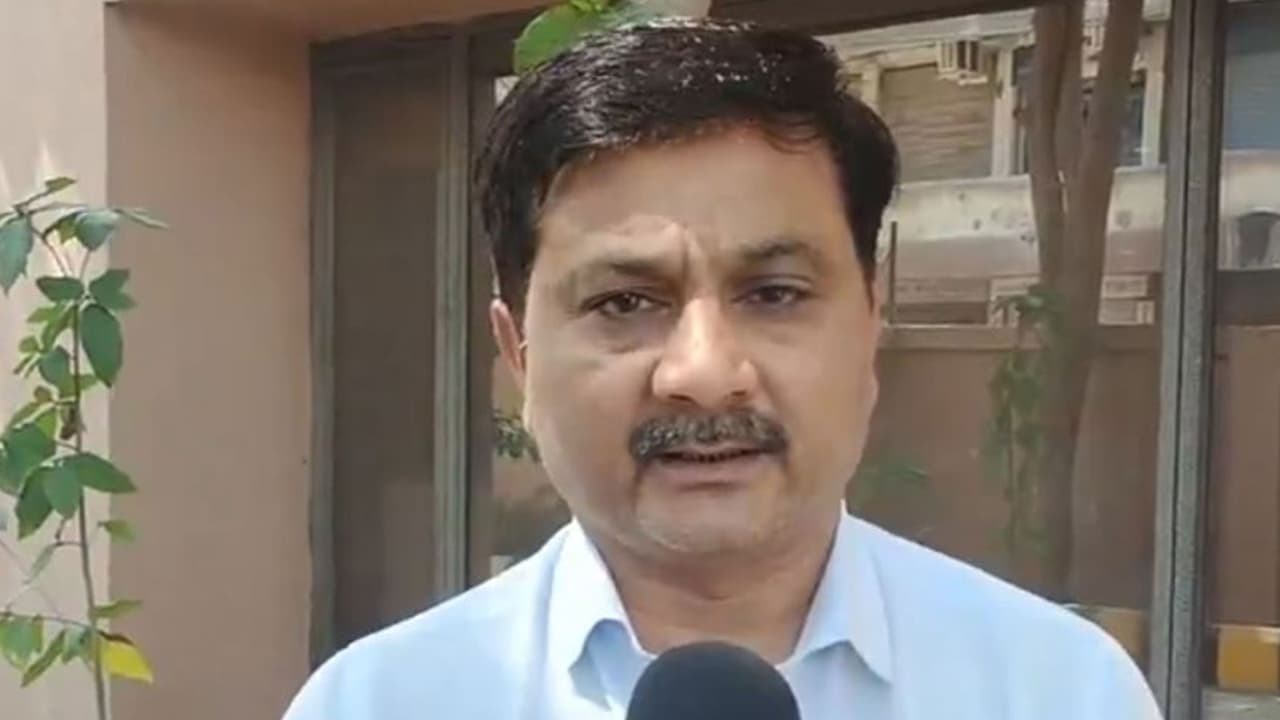
Gujarat's Morbi ceramic industry faces a potential shutdown due to a natural gas shortage caused by the West Asia conflict, says its association president. Gas supplies from GCC countries are disrupted, threatening the entire industry's operations.
Morbi Ceramic Industry Faces Gas Shortage
The ceramic industry in Gujarat's Morbi has been affected by a shortage of natural gas amid the ongoing conflict in West Asia, President of Morbi Ceramic Manufacturers Association, Manoj Arvadiya, said.

Speaking to ANI on Tuesday, Manoj Arvadiya said that most of their gas and petroleum products come from the Gulf Cooperation Council (GCC) countries, which include Bahrain, Kuwait, Oman, Qatar, Saudi Arabia and the United Arab Emirates. Expressing concern, he added that if the industry does not receive an adequate supply of natural gas, there is a fear of shutdown.
Supply Chain Disruption Explained
Morbi Ceramic Manufacturers Association President said, "Talking about the current war between Iran, Israel, and the United States, and the subsequent wars in all the GCC countries. Most of the gas and petroleum products come from the GCC countries. The entire gas supply for the Morbi ceramic industry, which relies on gas, comes from the GCC countries. Currently, all vessels passing through are being stopped at an area controlled by Iran."
"A complete barricade has been erected there. The area has been completely blocked. Because of this, vessels carrying petroleum products and gas are unable to reach the region. Therefore, there is a gas shortage here. If the gas supply is not adequate, we anticipate that the entire Morbi Ceramic Industry will have to be shut down," he added.
Wider Conflict in West Asia
US and Israeli airstrikes across multiple Iranian cities on February 28 targeted military command centres, air-defence systems, missile sites, and key regime infrastructure. In response, Iran retaliated by launching ballistic missiles and drones at US assets and allies across the region, including Israel, Bahrain, Kuwait, Qatar, Saudi Arabia, the United Arab Emirates, and Jordan, further widening the conflict.
India's Energy Security Position
Meanwhile, on Tuesday, government sources said that India has a total of eight weeks of crude oil and petroleum products inventory, which includes strategic reserves, and only about 40 per cent of India's crude oil imports transit through the Strait of Hormuz, significantly limiting exposure to regional disruptions. They asserted that the country remains in a comfortable position on energy security amid the evolving situation in the West Asian region.
Sources said India is closely monitoring developments in the region but is well-prepared to manage any potential supply-side challenges due to adequate inventory levels and diversified sourcing.
(Except for the headline, this story has not been edited by Asianet Newsable English staff and is published from a syndicated feed.)