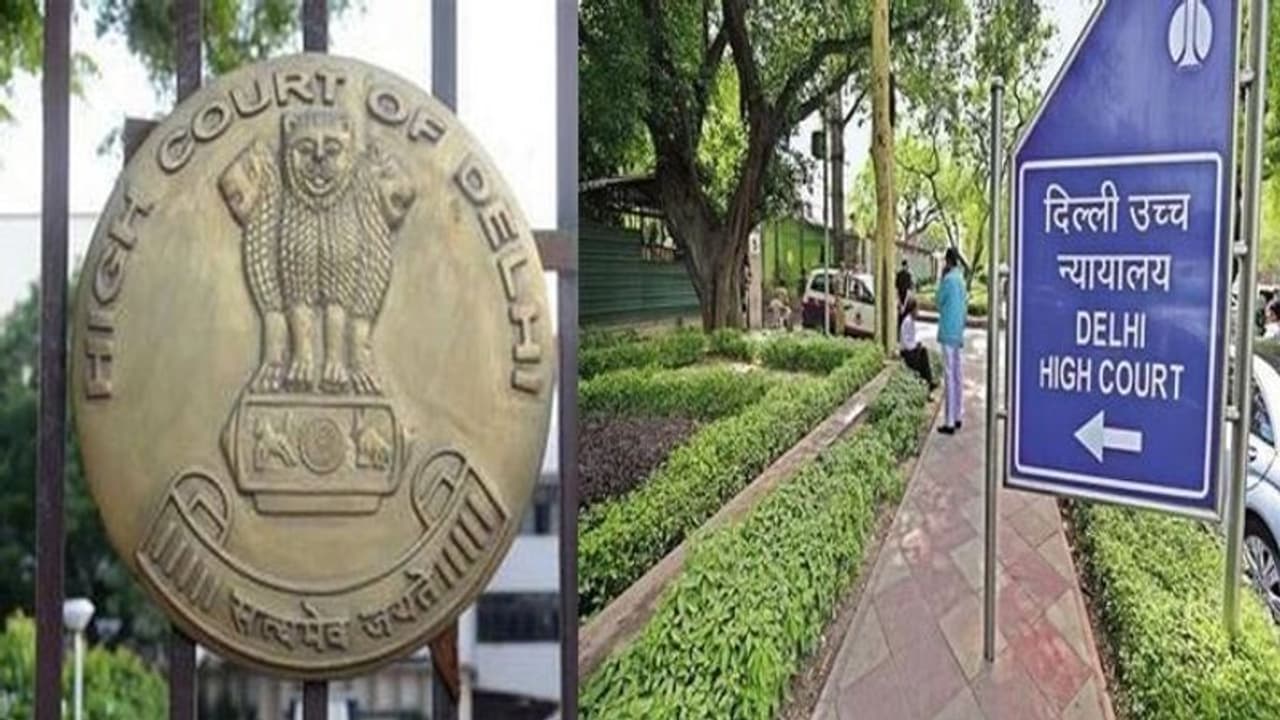
The Delhi High Court on Friday refused to grant regular bail to an accused charged under the POCSO Act, rejecting arguments that attempted to frame the incident as a romantic encounter on Valentine’s Day.
The Delhi High Court on Friday refused to grant regular bail to an accused charged under the POCSO Act, rejecting arguments that attempted to frame the incident as a romantic encounter on Valentine’s Day. Justice Girish Kathpalia clarified that friendliness between a boy and a girl on Valentine’s Day cannot be misused to justify force. The Court also noted the act of applying vermilion, stressing that such gestures, even if culturally symbolic, cannot override the question of consent.

“Merely because, a girl is friendly with a boy and the day is Valentine Day, it does not give licence to the boy to forcibly establish sexual relations with her. Even filling the hair parting of the girl with vermilion without her consent cannot be justified, though it is not a prescribed offence,” the Court said.
What's the case?
An FIR was filed on the complaint of a 17-year-old girl, who alleged that she had known the accused for nearly a year. According to the prosecution, on February 14, 2025, the accused lured her to a house on a pretext, applied vermilion to her hair parting, and then forcibly established sexual relations despite her resistance. The incident came to light when her brother alerted the police, following which the survivor underwent a medical examination.
Related Articles

During the hearing, the defence argued that the prosecutrix was above 18 and that the relationship was consensual, highlighting the Valentine’s Day context to suggest a romantic backdrop. However, the prosecution strongly opposed bail, pointing out that both the survivor and her brother have consistently supported the case during trial. The survivor also appeared in court to personally oppose the bail plea.
School records presented before the court indicated the girl’s date of birth as January 14, 2008, confirming that she was a minor at the time of the incident. The prosecution further submitted that DNA evidence of the accused was found in the prosecutrix's vaginal swab, strengthening the case.
Rejecting the bail plea, the Court observed that the survivor’s consistent stance from filing the FIR to supporting the prosecution during trial and opposing bail, clearly indicated that the alleged act was against her consent.
“Considering the above circumstances, I do not find it a fit case to grant bail to the accused/applicant at this stage. Therefore, the bail application as well as the pending application are dismissed,” the judge said.
While denying relief to the accused, the Court clarified that its observations are limited to the bail stage and will not prejudice the final outcome of the trial.