
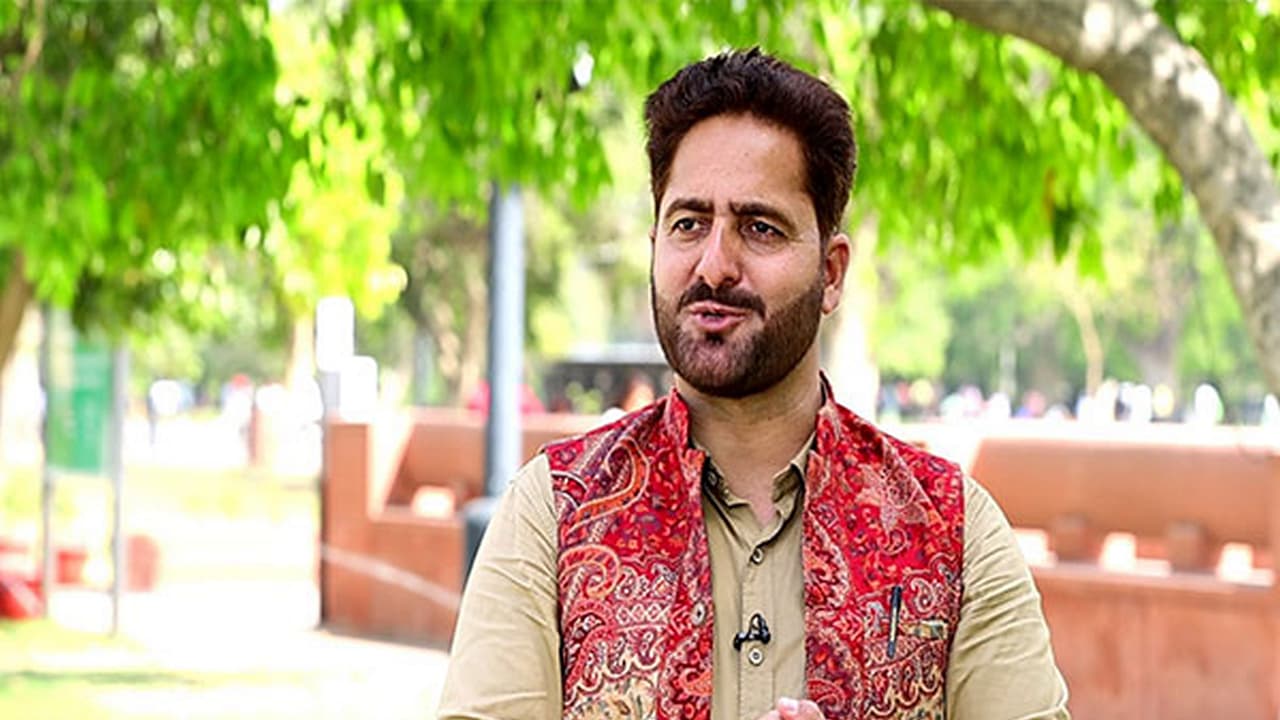
Kashmiri activist Javed Beigh condemned the Pahalgam terror attack, blaming Pakistan for perpetuating violence in J&K for decades. He praised India's counter-terror response and asserted that the people of Kashmir have rejected militancy.
Ahead of the first anniversary of the Pahalgam terror attack on April 22, Kashmiri activist Javed Beigh delivered a sharp condemnation of terrorism while squarely blaming Pakistan's establishment for perpetuating violence in Jammu and Kashmir.

Beigh described the assault as a "barbaric, heinous and cowardly act" that was deeply condemned by the local population, asserting that such violence does not represent the values or aspirations of the people of Kashmir. He described it as the "second darkest chapter" in the region's history after the forced exodus of Kashmiri Pandits, asserting that Kashmiris across communities unequivocally rejected the violence.
Beigh argued that the Pahalgam attack, which targeted tourists after identifying their religion, exposed what he called the "terror industry" backed by Pakistan. According to him, such incidents damage Kashmir's image and undermine its social fabric. "Every Kashmiri condemned it. There were protests across the Valley, cutting across political and religious lines," he said, emphasising widespread public outrage.
Pakistan's Role in Decades of Militancy
He further accused Pakistan's military and intelligence establishment of sponsoring militancy in the region for decades. "For nearly 40 years, they have brought gun culture, hatred, and destruction to Kashmir," Beigh said, claiming that thousands of lives have been lost and generations of youth deprived of opportunities.
India's Counter-Terror Response
Referring to India's counter-terror response, Beigh praised security forces for striking militant infrastructure linked to groups like Lashkar-e-Taiba and Jaish-e-Mohammed during "Operation Sindoor."
Call for International Accountability
On the international stage, Beigh called for greater accountability, urging global institutions like the United Nations to act against Pakistan for alleged support of terrorism and human rights violations. He cited incidents involving minorities and ethnic groups within Pakistan to question what he termed the global community's "silence."
Kashmiris' Rejection of Terrorism
Looking ahead, Beigh advocated decisive measures to prevent future attacks, including stronger political will and intensified efforts against terror networks. He reiterated that Kashmiris, particularly the youth, have increasingly distanced themselves from militancy and aspire for peace and development. "Kashmiris have rejected terrorism," he said, appealing for national unity to restore lasting peace and enable the return of displaced communities.
(Except for the headline, this story has not been edited by Asianet Newsable English staff and is published from a syndicated feed.)
