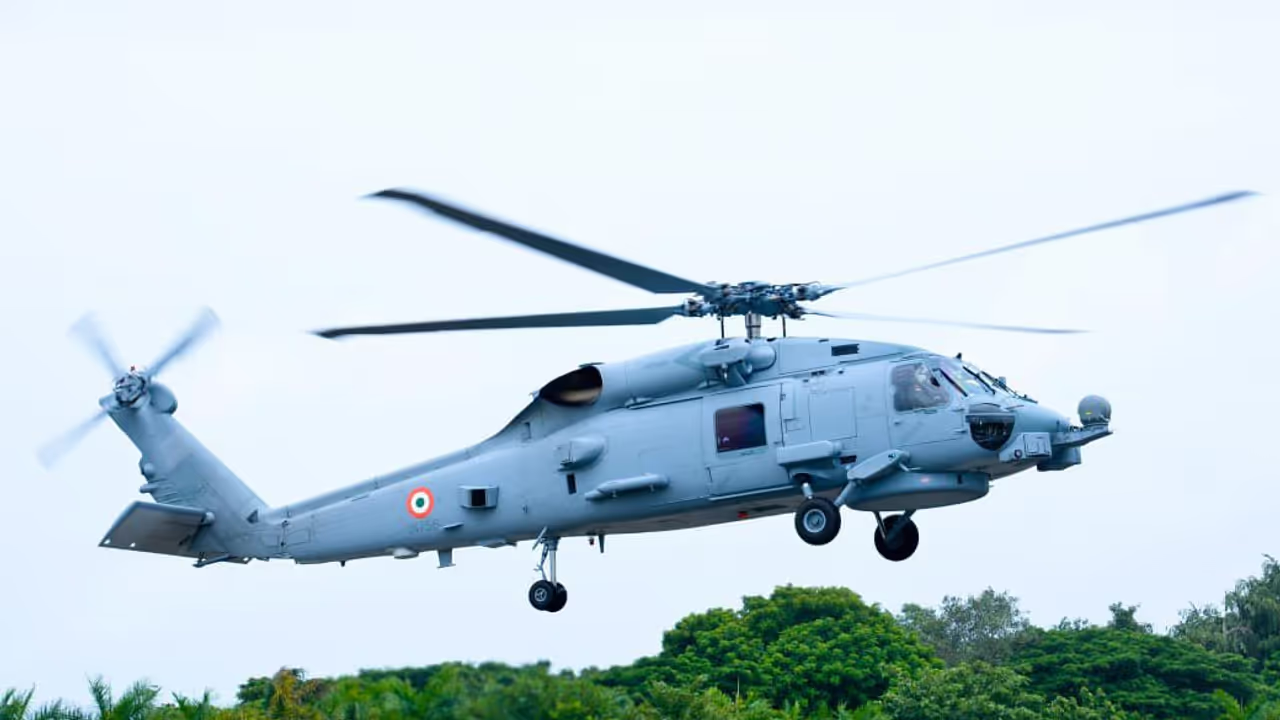
The Indian Navy has inducted MH-60R Seahawk helicopters into frontline service, boosting anti-submarine warfare, surveillance and fleet support as undersea activity rises in the Indian Ocean.
New Delhi: The Indian Navy has inducted the MH-60R Seahawk helicopters into frontline service, significantly strengthening its shipborne aviation capability.

The helicopters will be used for anti-submarine warfare (ASW), surveillance, and routine fleet support tasks.
Procurement and Delivery Timeline
India signed a contract with the United States in 2020 to procure 24 MH-60R helicopters for the Navy. Deliveries began in 2023.
Related Articles

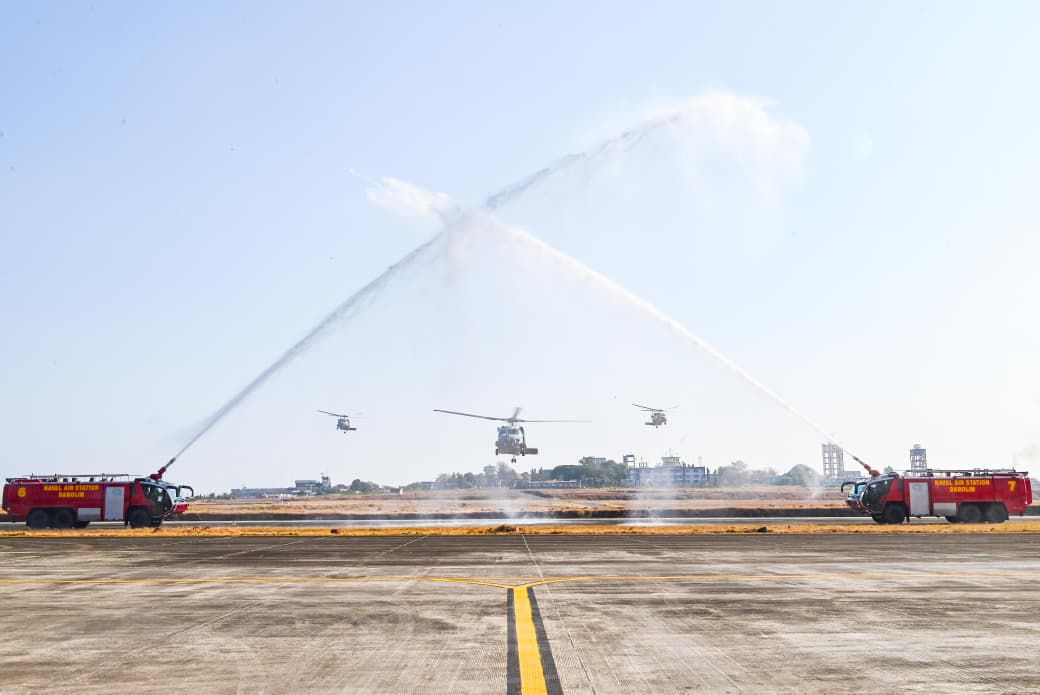
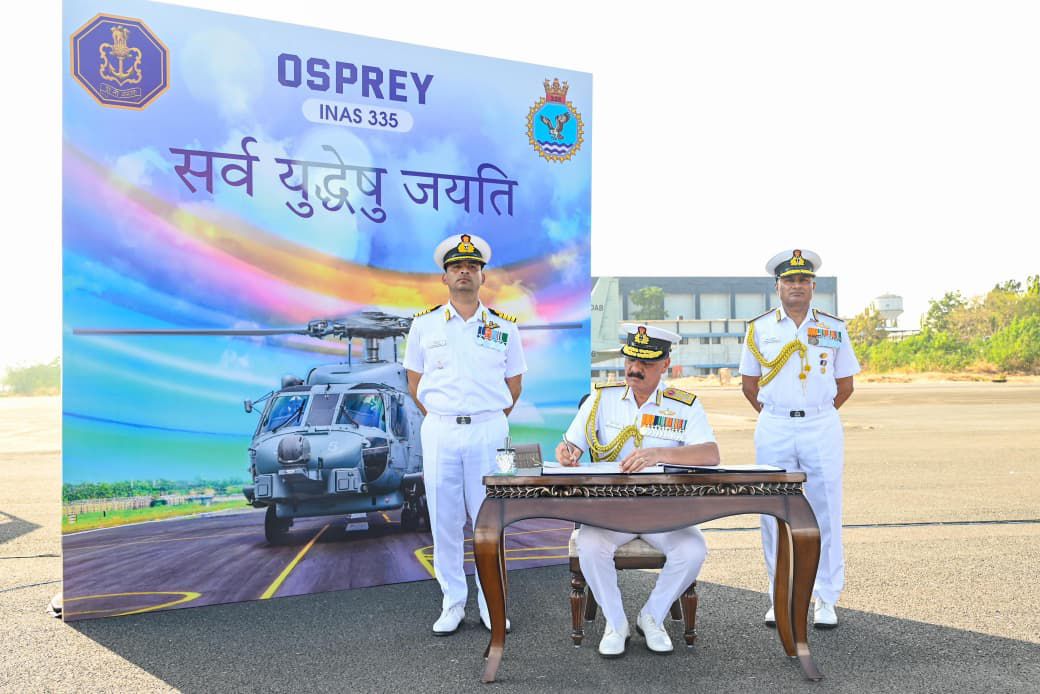
The first Seahawk squadron was commissioned at INS Garuda in Kochi, while the second squadron was later commissioned at INS Hansa in Goa. With this, the Navy now has Seahawk units deployed on both the eastern and western seaboards.
Addressing Long-Standing Helicopter Shortages
For several years, the Indian Navy faced a shortage of modern shipborne helicopters. Many destroyers and frigates sailed without an embarked helicopter, affecting operational effectiveness, particularly in anti-submarine roles.
As a result, ships had to rely mainly on their onboard sensors, which limited coverage. The induction of the MH-60R addresses this long-standing capability gap.
Designed for Frontline Warship Operations
The MH-60R is designed to operate from frontline warships, including destroyers, frigates, and aircraft carriers.
It enables ships to search areas far beyond the range of onboard radars and sonars, improving situational awareness at sea and supporting longer deployments.
Boost to Anti-Submarine Warfare Capability
Anti-submarine warfare is one of the primary roles of the MH-60R Seahawk. Submarine activity in the Indian Ocean has increased in recent years, making early detection critical for fleet safety.
The helicopter is equipped with a dipping sonar that can be lowered into the water to search for underwater contacts. It can also deploy sonobuoys to detect submarine movement.
Information collected by the helicopter is transmitted back to the ship for analysis. If required, the MH-60R can also carry lightweight torpedoes.
Surface Surveillance and Maritime Security
The Seahawk is also used for surface surveillance. Its onboard radar and electro-optical sensors allow crews to track vessels and monitor maritime activity.
This capability supports patrols, escort missions, and broader maritime security operations, enabling ships to respond more quickly to developing situations.
Support and Humanitarian Roles
Beyond combat roles, the MH-60R is used for routine naval tasks, including search and rescue operations, evacuation of injured personnel, and the transfer of supplies between ships at sea.
These functions are essential during extended deployments and are particularly important during humanitarian assistance and disaster relief operations, where helicopters often provide the fastest access.
The helicopter is fully integrated with the Indian Navy’s communication systems. Data collected during missions can be shared with ships and shore-based centres, enhancing coordination during operations.
Operational Readiness and Future Deployments
The MH-60R helicopters have already been used during operational deployments, and the Navy has indicated that the aircraft are ready for active service.
As additional helicopters are inducted, their deployment is expected to expand across a wider range of missions. The induction of the MH-60R restores a critical capability that had been missing for several years, improving undersea monitoring, enhancing surveillance, and increasing the overall effectiveness of frontline warships operating in the Indian Ocean.