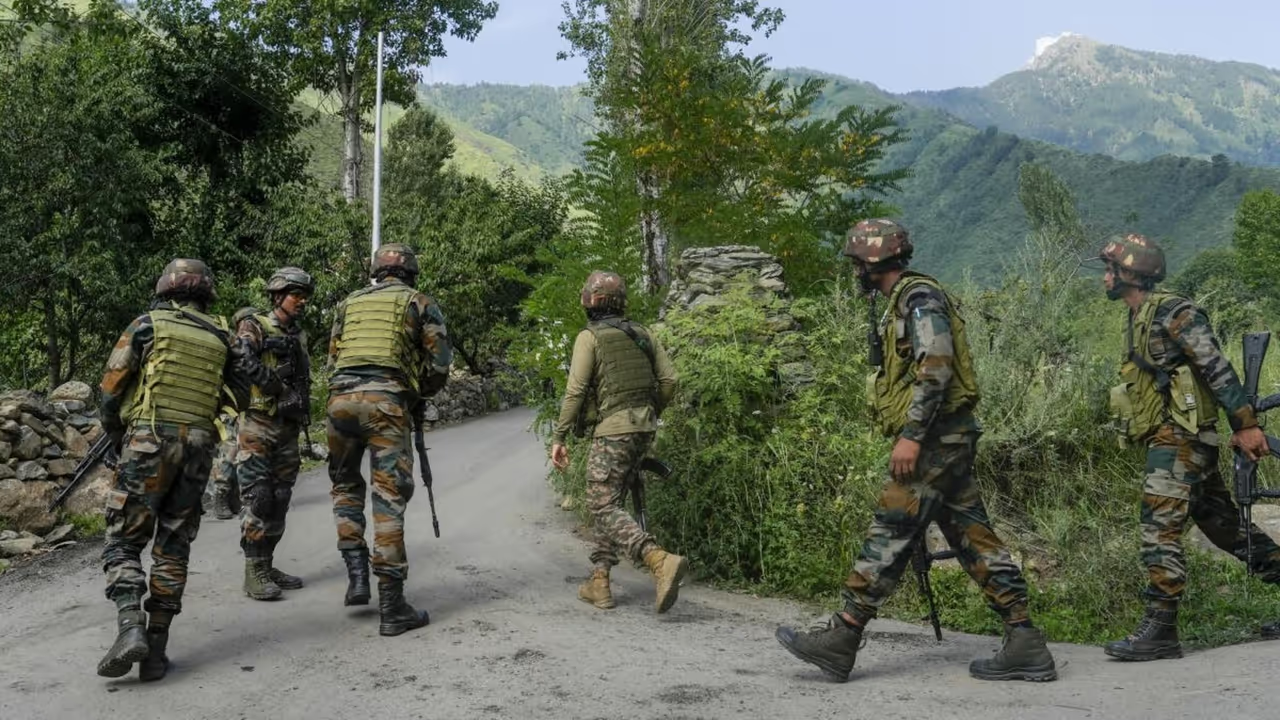
Army plans to buy 159 new bullet-proof troop carriers for Rashtriya Rifles units operating in J&K and Ladakh. These armoured 4x4 vehicles will carry 30 soldiers, including the driver and co-driver. Built for high-altitude and extreme weather, they will offer strong protection against bullets and blasts. The new carriers will replace older vehicles.
New Delhi: Aiming to give a further push to modernise its protected mobility assets, the Indian Army has issued a request for information (RFI) for the procurement of 159 bullet-proof troops carriers (BPTCs) intended for Rashtriya Rifles battalions, sectors and force headquarters operating in Jammu & Kashmir and Ladakh.

The RFI, issued on April 30, has set a minimum delivery rate of 60 vehicles per year following contract award.
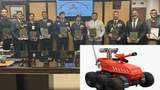
Envisioned as a 4x4, the BPTC is a right-hand-drive protected bus capable of carrying a driver, a co-driver and 28 passengers, with a payload capacity of about three tonnes.
Related Articles

As per the RFI, the BPTC’s gross laden weight must not exceed 20 tonnes and it must offer a ground clearance of at least 200mm.
Due to the region’s demanding geography, the vehicle must have on-road speeds of 80-100 kmph with 50-75 kmph off-road.
The BPTC must achieve a minimum range of 350-km on plains and 300-km in mountainous terrain.
It must function reliably at altitudes up to 5,000 metres and in temperatures ranging from minus 10-degrees celsius to plus 40-degrees Celsius, conditions typical of Ladakh’s high-altitude passes and the Kashmir valley’s summer heat.
Ballistic protection across all surfaces - sides, top, underbelly, doors and glazing - is specified at NATO STANAG level III, which broadly corresponds to protection against 7.62mm armour-piercing rounds.
Specifications
The specification includes a roof-mounted gunner’s hatch with a traverse of 360-degrees, capable of accommodating a 7.62-mm machine gun with elevation and depression arcs of plus 45 and minus 5-degrees respectively.
The RFI further stated that a minimum of four firing ports on each side of the passenger cabin are required.
Rashtriya Rifles, a counter-insurgency force raised in the 1990s specifically for operations in J&K, currently operates a mix of ageing protected vehicles that were inducted over successive procurement cycles.
The BPTC programme appears intended to address both obsolescence and capability gaps, particularly as operational requirements in the Union Territory continue to evolve.