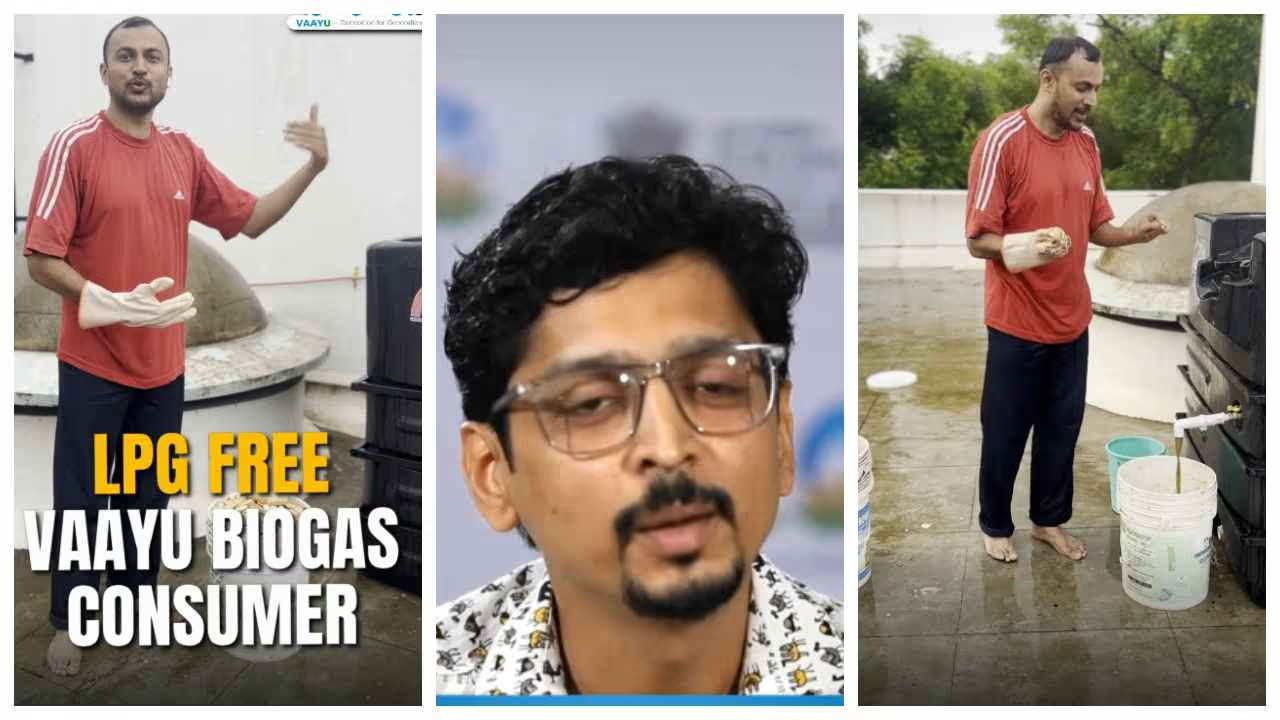
An IIT graduate from Pune has avoided LPG for 7 years using a biodigester that turns kitchen waste into cooking gas. His ‘Vaayu’ system is helping homes and businesses adopt eco-friendly fuel.
While most of us are worried about rising cooking gas prices and long queues for cylinders due to the West Asia crisis, one IIT alumnus from Pune hasn't bought a single LPG cylinder in seven years. Priyadarshan Sahasrabuddhe runs his entire kitchen using 'waste' from his home and his neighbourhood.

What is the 'Vaayu' Biodigester?
The magic behind this change is a biodigester called 'Vaayu', which Priyadarshan developed. You just put organic waste from the kitchen, like vegetable peels and leftover food, into a tank. Inside, natural bacteria break down this waste and release methane gas. Priyadarshan says that about 11 kg of waste can produce 800 litres of cooking gas. This gas is collected in a balloon and then piped directly to the stove.
Also read: Petrol Price Hike: War in Middle East Makes Premium Fuel Costlier in Bengaluru, Karnataka
Related Articles

Making a Wider Impact
In the last seven years, Priyadarshan has successfully converted over 1,000 tonnes of organic waste into fuel. The 'Vaayu' system is now active in more than 350 homes, as well as in various hotels and canteens. This collective effort saves about 2,500 LPG cylinders annually. For example, one restaurant in Pune converts 60 to 100 kg of its daily food waste into fuel using this system. Priyadarshan also shared the story of Angad Patwardhan, who completely stopped using LPG cylinders since March 2022. Instead of throwing away vegetable scraps and leftovers as garbage, he puts them into his 'Vaayu' biogas digester, which turns them into cooking gas.
The average Indian produces about 55 kg of food waste every year. Priyadarshan believes that if each of us starts managing our waste at home, we can bring about a huge positive change for the environment. He and his team are hopeful that this easy-to-use, fully eco-friendly technology could become the fuel of the future.
Also read: