
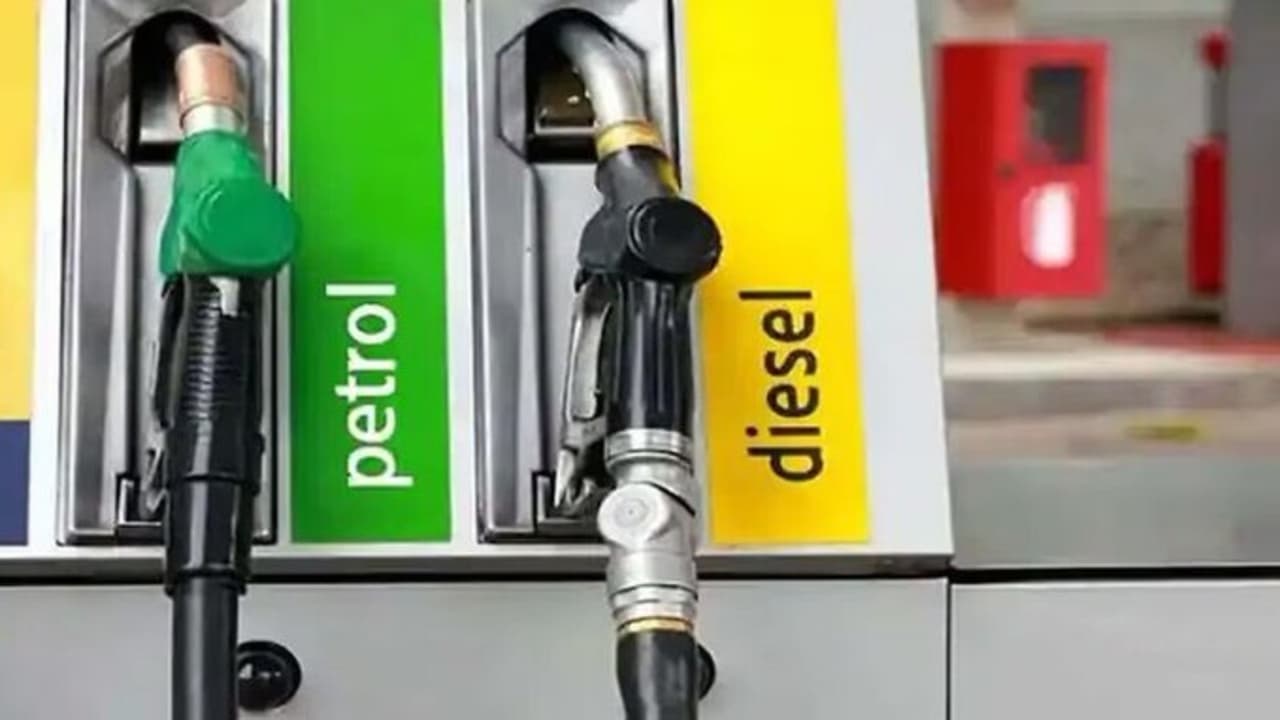
India has cut excise duty on petrol and diesel in response to a global oil crisis caused by West Asian tensions. The measure aims to protect consumers and the economy from surging crude prices and supply disruptions. It seeks to prevent inflation and support oil companies facing losses.
India’s decision to sharply cut excise duty on petrol and diesel comes against the backdrop of a rapidly escalating crisis in West Asia that has sent global oil markets into turmoil. The move, announced by the Centre, is aimed at shielding consumers and the domestic economy from the shock of surging crude prices and supply disruptions.

What exactly has the government done?
The government reduced the special additional excise duty on petrol from ₹13 per litre to ₹3, and completely scrapped the ₹10 per litre duty on diesel.
This is a significant fiscal intervention, effectively absorbing a large portion of the cost pressure that would otherwise have been passed on to consumers.
Why did India cut excise duty?
1. Global oil prices have surged sharply
The primary trigger is the sharp rise in crude oil prices due to the ongoing conflict involving the US, Israel, and Iran. Prices have jumped dramatically in recent weeks, disrupting energy markets worldwide.
Union Petroleum Minister Hardeep Singh Puri explained that crude prices rose steeply—from around $70 per barrel to over $120 in a month.
He said: “The Modi Government had two choices—either increase prices drastically… or bear the brunt.”
The government chose the latter.
2. Strait of Hormuz disruption is a major risk
The Strait of Hormuz, one of the world’s most critical oil transit routes, has been severely impacted by geopolitical tensions. This has disrupted global supply chains and created uncertainty in oil shipments.
For India, this is particularly critical because it imports over 90% of its crude oil needs.
Any disruption in this route directly affects India’s fuel security and pricing.
Also Read: Centre slashes excise duty on petrol, diesel to provide major relief
3. Protecting consumers from price shock
Instead of allowing petrol and diesel prices to spike at the pump, the government chose to absorb the financial burden.
Puri emphasized that the decision was taken to ensure Indian citizens are “insulated from international volatility.”
Globally, fuel prices have already surged significantly—by up to 30–50% in several regions—highlighting the scale of the crisis.
4. Supporting oil marketing companies (OMCs)
Oil companies like Indian Oil, BPCL, and HPCL have been under severe pressure due to rising crude costs.
The duty cut helps reduce their losses, which were estimated at:
• Around ₹24 per litre for petrol
• Around ₹30 per litre for diesel
By lowering taxes, the government is indirectly stabilising the financial health of these companies.
5. Preventing inflation from spiralling
Fuel prices directly impact inflation—affecting transportation, food prices, and overall cost of living.
By cutting excise duty, the government aims to prevent a wider inflationary shock that could ripple across the economy.
Will petrol and diesel prices fall immediately?
Not necessarily. Despite the duty cut, retail fuel prices may not drop instantly due to:
• High global crude prices
• Exchange rate fluctuations
• State taxes (VAT)
Experts suggest that the move is more about preventing further price hikes rather than reducing existing prices immediately.
What about the government’s finances?
This decision comes at a significant cost.
Economists estimate that the excise duty cut could lead to an annual revenue loss of around ₹1.55 lakh crore.
However, the government has chosen to prioritise economic stability over short-term fiscal concerns.
Also Read: No lockdown in India, rumours are 'irresponsible': Hardeep Singh Puri
Additional measures taken
Alongside the duty cut, the government has also:
• Imposed export duties on diesel and aviation fuel
• Ensured domestic availability of key fuels
• Maintained supply chains for fertilisers and coal
These steps are aimed at preventing shortages and ensuring energy security during the crisis.
The larger geopolitical context
The decision is closely tied to escalating tensions in West Asia, where conflict has disrupted global energy flows.
The situation has led to:
• Reduced shipping through critical routes
• Increased oil prices globally
• Heightened uncertainty in energy markets
India’s move reflects a broader strategy to manage external shocks while protecting domestic consumers.
The bottom line
India’s excise duty cut on petrol and diesel is a strategic response to an extraordinary global crisis.
Faced with rising crude prices and supply disruptions, the government chose to:
• Absorb financial losses
• Protect consumers
• Stabilise the economy
As Puri put it, the government had two options—and it chose to shield citizens rather than pass on the burden.
While the immediate relief at fuel pumps may be limited, the move plays a crucial role in preventing a sharper economic impact in the weeks ahead.
