A propylene gas tanker overturned on the Pune–Mumbai Expressway, triggering a dangerous leak. A 32-hour multi-agency HazMat operation prevented an explosion but caused massive traffic disruption, stranding thousands of commuters for over a day.
A tanker transporting highly flammable propylene gas overturned on the Pune–Mumbai Expressway near the Adoshi Tunnel, sparking a serious hazard that lasted over 32 hours. The accident occurred when the tanker lost control, flipped onto its side and began leaking propylene — a chemical that can easily ignite and cause major explosions even from a tiny spark. It was one of the most dangerous hazardous material situations on the expressway in recent memory.

Propylene is widely used in petrochemical and plastics production. When it escapes into the open as a vapour, it can spread rapidly at ground level and ignite with a single spark from vehicles, mobile phones or static electricity. Because of this, responders treated the leak with high caution.
Why the Response Took So Long
Containing the gas leak and securing the accident site required a complex, round-the-clock hazardous materials (HazMat) operation that lasted roughly 32 hours. Multiple agencies — including the National Disaster Response Force (NDRF), State Disaster Response Force (SDRF), Bharat Petroleum Corporation Ltd (BPCL) and highway police — were involved in the effort. These teams worked meticulously to prevent ignition and neutralise the risk before any traffic could resume safely.
Related Articles

The process was not straightforward. Officials had to first stabilise the damaged tanker and then transfer the remaining propylene into empty tankers. According to reports, responders even fashioned improvised tools such as a wooden mould to deal with leaking valves. Only after the gas was safely transferred and the tanker stabilised could the highway be reopened.
Massive Disruption and Ripple Effects
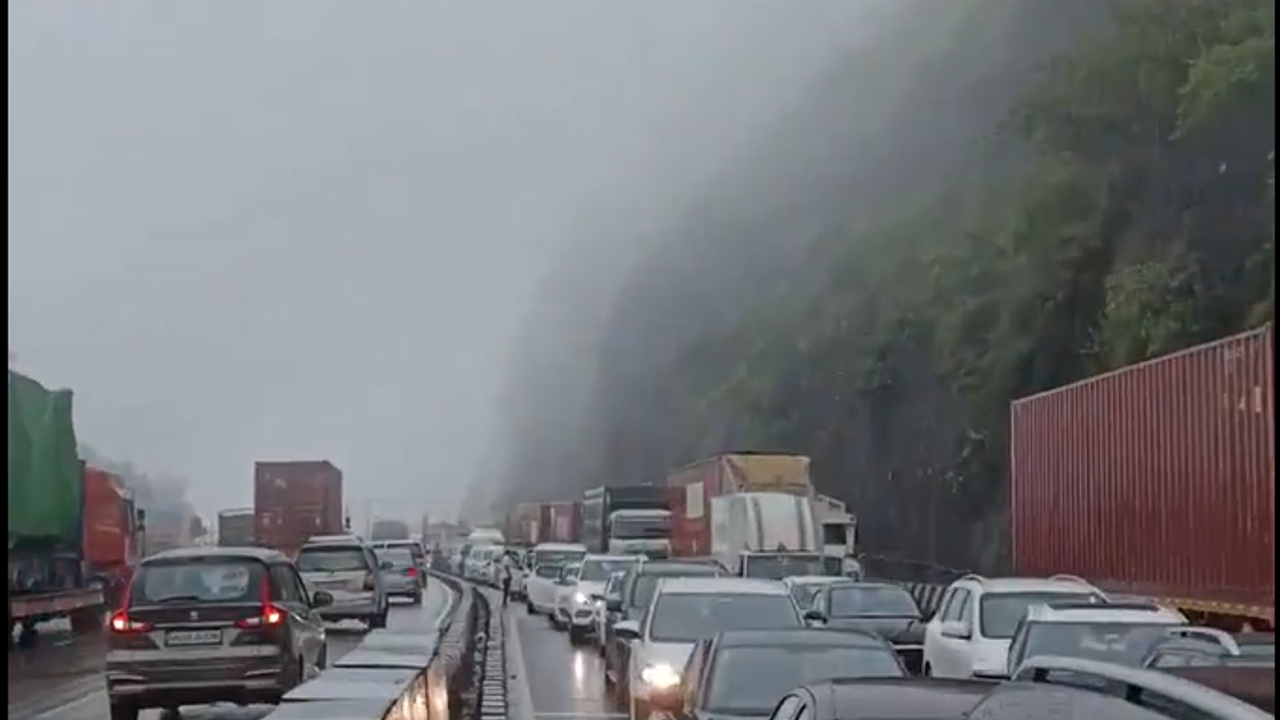
The safety closure resulted in one of the longest traffic disruptions on the expressway, with commuters stuck for more than a day and gridlocks stretching for 20–25 kilometres in both directions. Thousands of vehicles, including buses and freight trucks, were immobilised — many without adequate food, water or toilet facilities. Local residents and stranded commuters described chaotic scenes, with extreme discomfort and frustration at delays.
Authorities advised drivers to avoid the expressway and use alternate mountain and ghat routes such as Tamhini Ghat or Bhimashankar if possible, although these options added substantial travel time.
Safety and Preparedness Challenges
Experts say the incident should serve as a wake-up call because hazardous materials emergencies are dramatically different from typical fuel spills or traffic accidents. Conventional firefighting techniques are often ineffective against gas leaks, and the lack of specialised HazMat equipment and trained personnel significantly slowed the initial response.
Propylene’s silent vapour cloud can travel unpredictably and ignite without warning, making quick containment critical. Yet, disaster management teams currently lack dedicated HazMat units along major transport corridors like the Pune–Mumbai Expressway. This incident highlighted glaring gaps in preparedness, specialised equipment, and coordinated emergency response capabilities for chemical transport accidents.
Experts have urged authorities to invest in regular drills, HazMat training for fire brigades, enhanced coordination between transport companies and emergency responders, and stricter safety protocols for chemical carriers.
With traffic finally reopened and the tanker removed, the focus now shifts to post-incident analysis and infrastructure readiness. The nearly two-day disruption underscores the need for better risk assessments, improved real-time communication to commuters, and robust emergency systems capable of handling hazardous material spills swiftly before they escalate into full-blown disasters.