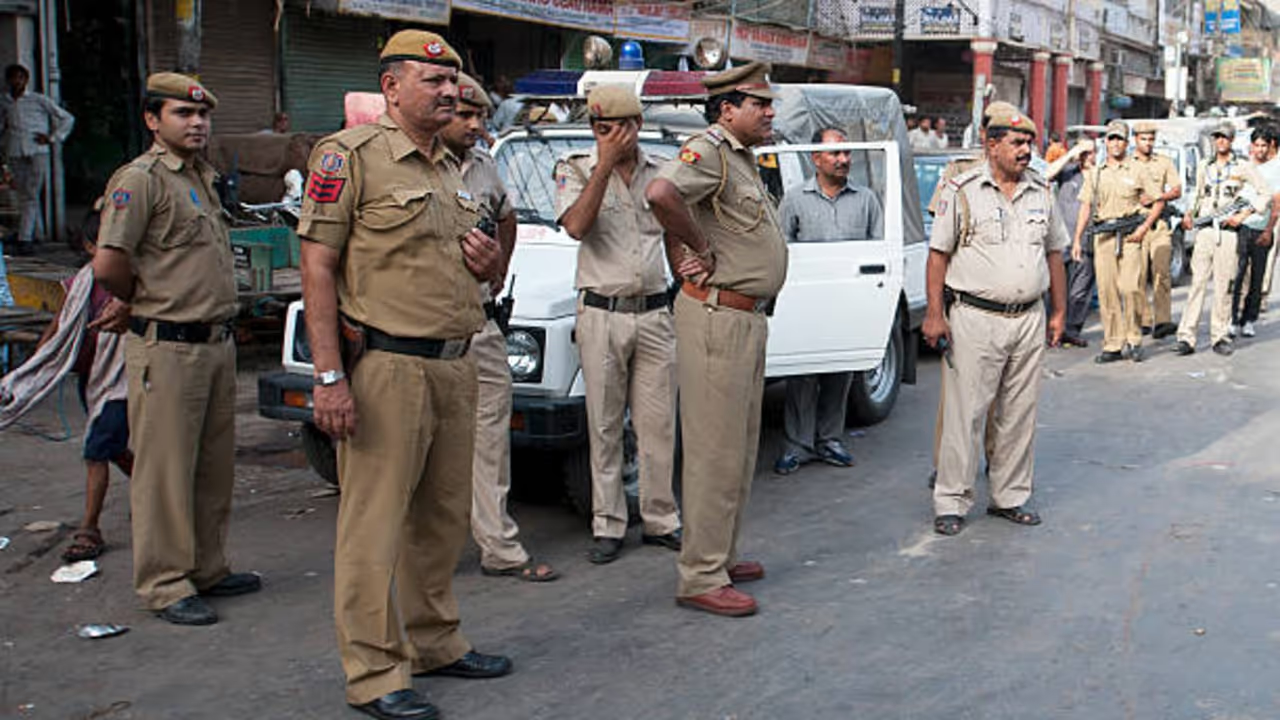
Delhi faces a growing safety concern as 807 people were reported missing in early 2026, with 572 still untraced. The crisis is especially alarming for minors, with 137 of 191 missing children — most of them girls — yet to be found.
In a worrying trend for India’s national capital, Delhi Police records show that more than 800 people were reported missing in the first 27 days of 2026, sparking concerns about public safety, especially for children and women. The latest official data highlights that 807 individuals were reported missing between January 1 and January 27, of whom only 235 have been traced, while 572 remain unaccounted for. Among these, there are troubling figures for minors and a significant gender disparity among those missing.

Of the 191 missing children reported during this period, only 48 have been located, leaving 137 still untraced. A stark gender skew is evident among these minors, with 120 of the 137 untraced children being girls. Adolescents between the ages of 12 and 18 accounted for the majority of missing minors, with 169 teenagers reported missing, only 48 of whom were traced.
Adults also made up a large portion of the missing persons figures. In the first three weeks of January, 616 adults were reported missing, with 181 traced (90 men and 91 women), while 435 adults remain untraced.
Related Articles

Police and community safety advocates point out that this crisis is not new but rather part of an ongoing challenge in managing missing persons cases in the capital. Longer-term data shows that between 2015 and 2025, thousands of missing cases were registered in Delhi, with many remaining unresolved. Over the last decade, 60,694 children up to age 18 were reported missing, and while the majority were eventually traced, 6,931 children remained untraced — roughly 11 per cent of the total.
Experts emphasize that missing persons cases are complex and can arise from a variety of factors — including familial disputes, mental health issues, voluntary departures, urban migration, or, in some instances, risks such as abduction or trafficking. However, the disproportionate number of women and girls among the missing has drawn particular scrutiny and concerns from public safety advocates and families alike.
In response to the alarming figures, police forces have reiterated ongoing tracing efforts, leveraging technology such as facial recognition and inter-agency databases to locate individuals. However, successful tracing still lags behind the number of new missing reports, underscoring gaps in immediate response and real-time tracking.
Community leaders and safety groups have also called for better preventive measures, including improved public awareness, streamlined reporting processes, and coordinated action between law enforcement, families, and neighbourhood networks. Enhanced data sharing and quicker registration of missing cases — ideally within the first few hours — are viewed as crucial to improving outcomes and ensuring vulnerable populations, especially children and girls, are found swiftly and safely.
The recent data from Delhi reflects a persistent challenge for a rapidly growing city grappling with urban complexities, where thousands of residents go missing every year and a significant number remain untraced. This trend has fuelled urgent conversations about safety, accountability, and the need for strengthened systems to protect all citizens.