
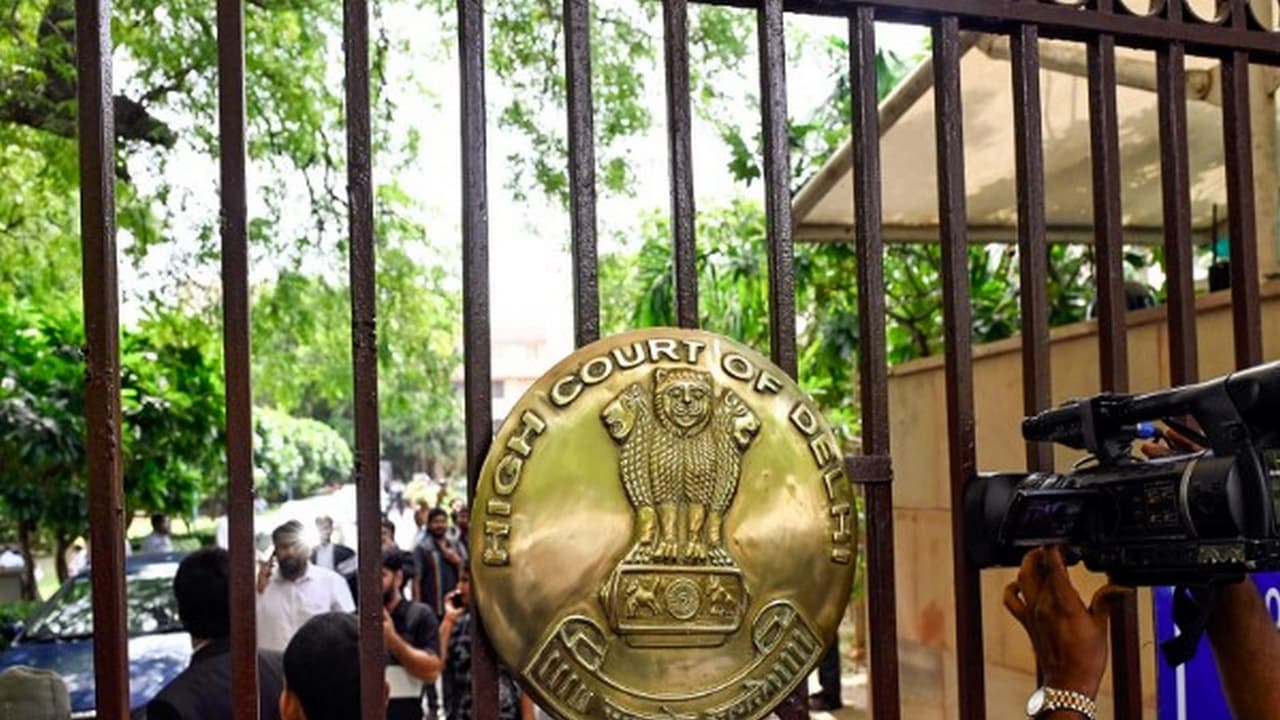
Delhi HC quashed Jamia's disciplinary action against a professor who sought a hygienic restroom. The court called the university's punitive response 'disproportionate' and ordered it to address the grievance as an administrative matter within four weeks.
The Delhi High Court has quashed disciplinary proceedings initiated by Jamia Millia Islamia against a senior professor over a workplace grievance concerning access to a hygienic restroom, holding that the University's response was "manifestly disproportionate" and legally unsustainable.

Court Voids Punitive Orders
Justice Sanjeev Narula, in an order passed recently, set aside the show cause notice issued on August 1, 2025, the subsequent constitution of a committee, and an office order dated January 2, that had directed Prof. Sujata Ashwarya to submit a written apology.
University's Approach Criticised
The case arose from a grievance raised by the petitioner, a senior professor with over two decades of service, seeking designation of a separate "Ladies Toilet" in the Centre for West Asian Studies. She cited hygiene concerns and a medical condition affecting her ability to use certain facilities. However, instead of addressing the grievance substantively, the University initiated disciplinary proceedings, alleging misconduct and insubordination on the grounds that the professor had not followed the prescribed channel of communication and had used objectionable language in her complaint.
The Court criticised this approach, observing that a workplace concern relating to hygiene and dignity, particularly when raised by a woman employee, ought not to have been escalated into disciplinary action. It emphasised that institutions like universities are expected to demonstrate fairness and sensitivity in handling such issues.
Substance Overrides Procedural Formalities
While acknowledging the importance of institutional discipline and decorum, the Court held that procedural formalities cannot override substantive grievances involving basic working conditions. It noted that the University "lost sight" of this balance and converted a legitimate concern into a matter of punitive action.
Importantly, the Court underscored that an apology must be voluntary and cannot be compelled through official orders, especially in response to a grievance concerning access to essential facilities.
Dignified Workplace a Constitutional Right
Highlighting the broader constitutional context, the Court observed that a safe and dignified workplace for women includes access to clean and usable restroom facilities, which form part of basic working conditions.
Jamia Directed to Address Grievance
Allowing the writ petition, the Court directed Jamia Millia Islamia to reconsider and address the petitioner's grievance afresh as an administrative matter, with due regard to hygiene, privacy, dignity, and her medical condition, within four weeks.
The Court also directed that, in the interim, the University must ensure that the petitioner has access to a hygienic and reasonably suitable restroom facility. It clarified that it has not expressed any opinion on how the University should regulate such facilities, leaving that decision to the institution's administrative discretion.
(Except for the headline, this story has not been edited by Asianet Newsable English staff and is published from a syndicated feed.)
