
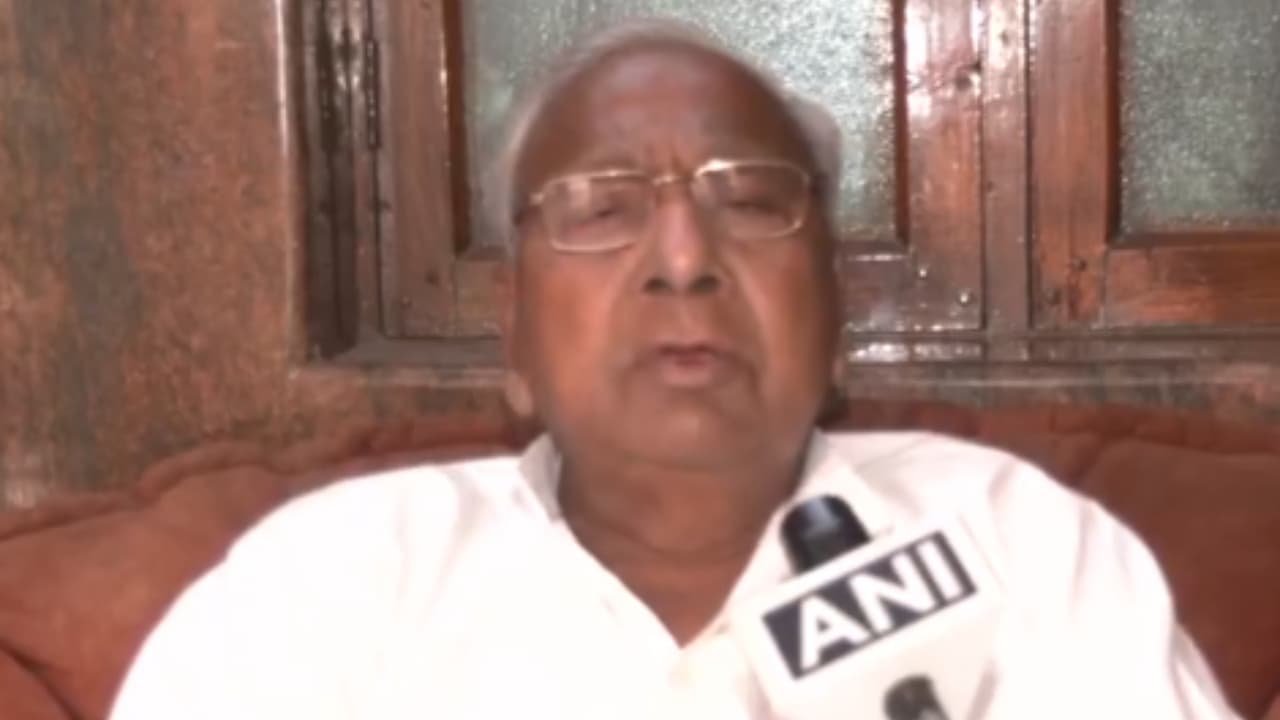
Congress leader V Hanumantha Rao raised concerns over the Women's Reservation Bill, questioning the absence of provisions for OBC women and criticizing the government's plan to implement the quota based on the 2011 census.
Congress leader V Hanumantha Rao on Thursday raised concerns over the proposed amendments to the existing Nari Shakti Vandan Adhiniyam, questioning the lack of provisions for women from backward sections, particularly OBC communities.

On the Centre's reported move to implement women's reservation based on the 2011 census data, Rao said, "Yesterday, the Cabinet decided to grant women a share in power, and this decision is based on the 2011 census data. However, there is no provision for the OBC, but it must be included. The current government is not even paying attention to the OBC issue in this context."
Call for Inclusive Representation
Highlighting the need for inclusive representation, he added, "Regarding the reservation for women, which applies across all castes, if you simply state that you will provide a 33% quota, what becomes of the poor women belonging to the backward sections of society? It is for this very reason that this bill needed to be passed with specific, targeted provisions."
Rao also referred to ongoing caste-based surveys, aligning them with Congress leader Rahul Gandhi's principle of equitable participation. "One of the parameters asks whether the head of the household belongs to the SC or ST categories. But OBC concerns must also be addressed," he said.
Broader Political Debate Over Proposed Amendments
His remarks come amid growing political debate over the proposed amendments to the Women's Reservation Bill, which the government is expected to take up during a special Parliament session beginning April 16.
Earlier, Congress MP Shashi Tharoor also sought clarity on the bill, stating that the opposition has not yet seen its draft and needs to assess its implications for federalism and legislative functioning.
The proposed changes include using the 2011 census data for delimitation, potentially increasing Lok Sabha seats from 543 to around 816, with nearly one-third reserved for women.
The legislation, along with a Delimitation Bill, is expected to be introduced as Constitutional amendments. (ANI)
(Except for the headline, this story has not been edited by Asianet Newsable English staff and is published from a syndicated feed.)