
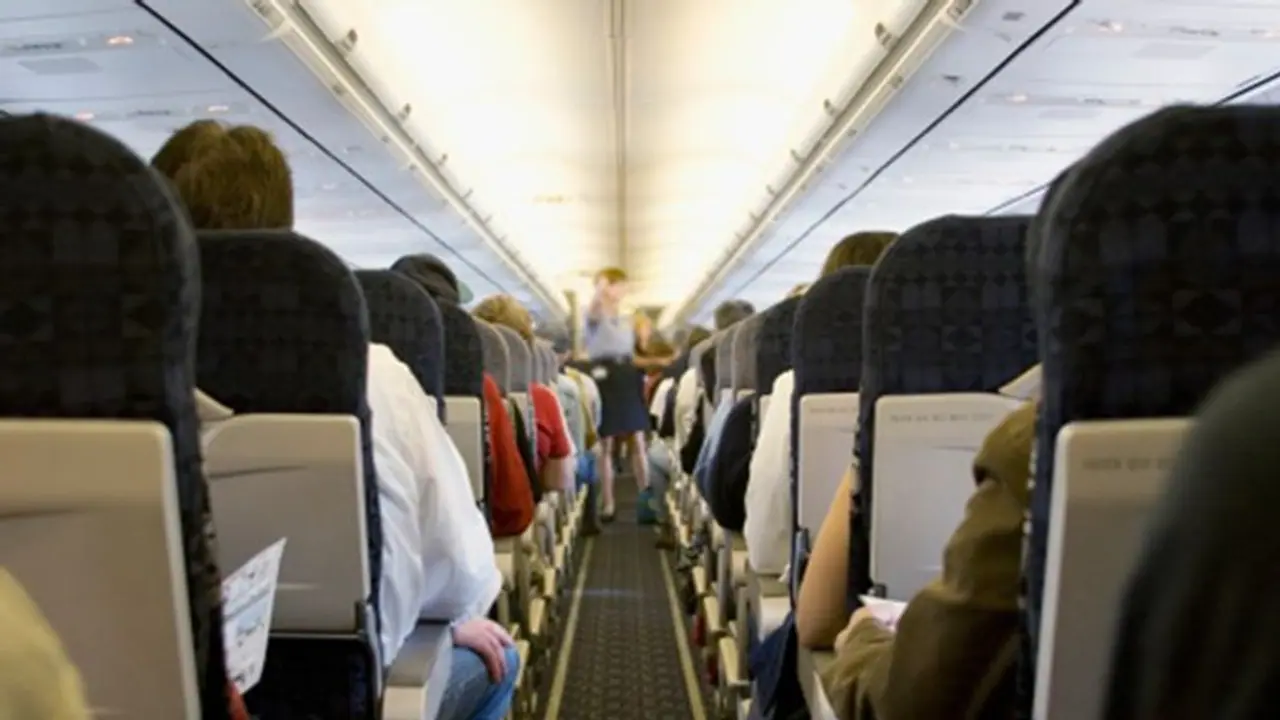
The Indian government has reversed a directive requiring airlines to offer 60% of seats without any selection fee. This reversal came after strong opposition from airlines, who warned of significant financial strain and potential fare hikes. Carriers argued that seat selection fees are a crucial part of their ancillary revenue.
In a significant policy reversal, the Centre has rolled back its directive requiring airlines to offer 60% of seats on every flight free of charge, just weeks after announcing the rule. The move comes after strong pushback from airlines, which warned of financial strain and potential fare hikes.

The original order, issued by the Directorate General of Civil Aviation (DGCA) in March, had mandated that at least 60% of seats be made available without any additional selection fee. The decision aimed to make air travel more passenger-friendly and curb what the government saw as “hidden” charges imposed by airlines.
Under the rule, passengers would have been able to select a majority of seats without paying extra, a sharp increase from the earlier system where only a limited number of seats were free while others—especially preferred ones—came at a cost.
Also Read: West Asia crisis inflates war-risk insurance costs for Indian airlines
However, the proposal faced immediate resistance from airline operators. Industry bodies and carriers argued that seat selection fees form a crucial part of their ancillary revenue. They warned that removing this income stream could force airlines to increase base ticket prices, ultimately hurting consumers instead of benefiting them.
The government’s rollback indicates a recalibration of its approach after considering these concerns. While no detailed explanation has been officially issued, the decision reflects the balancing act between protecting passenger interests and ensuring the financial viability of airlines.
The initial reform was part of a broader effort to improve transparency and passenger rights in India’s fast-growing aviation sector. Along with free seat allocation, the DGCA had also proposed measures such as seating families together, clearer communication of passenger rights, and better disclosure of charges.
Despite the rollback, the debate highlights ongoing tensions between regulators and airlines over pricing practices and consumer protection. As air travel demand continues to rise, further policy adjustments may be expected to strike a middle ground between affordability and industry sustainability.
Also Read: Thiruvananthapuram airport pauses for centuries-old Painkuni Arattu
