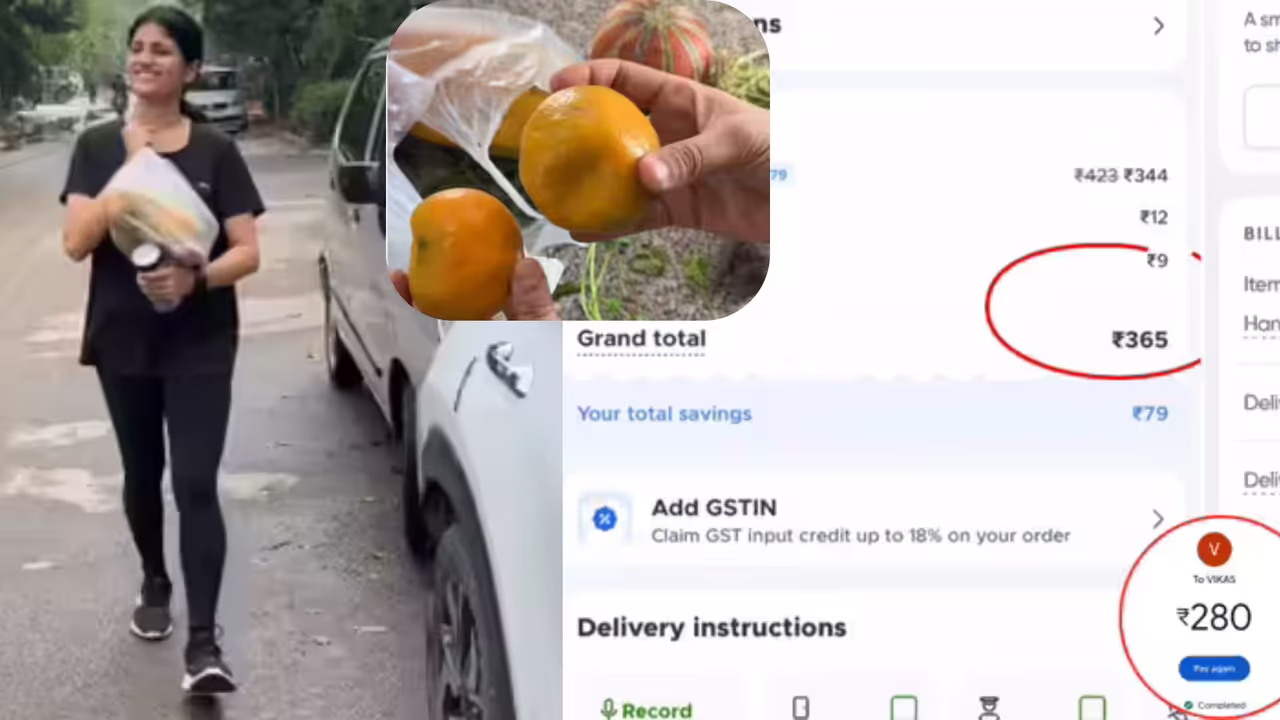
A viral price check shows local vendors are cheaper than quick commerce apps like Blinkit and Instamart. Extra costs from delivery, packaging, and fixed quantities make online groceries more expensive.
In big cities like Bengaluru, Mumbai, and Gurugram, getting groceries delivered in 10 minutes has become a game-changer. These 'quick commerce' apps feel like a blessing, especially for busy professionals. But have you ever wondered if this convenience is quietly burning a hole in your pocket? A simple price test by a Gurugram woman, Mahak Akhtar, has gone viral and is making everyone talk.

The Viral Price Comparison and Its Results
Mahak made a list of everyday vegetables and compared their prices across three places: her local street vendor, Swiggy Instamart, and Blinkit. The results are an eye-opener for every middle-class family trying to stick to a monthly budget:
Local Vendor
The bill for all the items from the street-side vendor was just ₹280. And, in true Indian market style, the vendor even threw in some coriander and green chillies for free!
Related Articles

Swiggy Instamart
For the same list, the bill on Instamart came to ₹333. That's about ₹53 more than what the local vendor charged.
Blinkit
Blinkit turned out to be the most expensive in this race. The total bill here was ₹365. This is a whopping ₹85 more than the local vendor's price.
Where is the extra money going?
When you order from these apps, you're not just paying for the item. The final bill includes charges for fancy packaging, delivery fees, platform fees, and even surge charges when it's raining or demand is high. Another key point is that on apps, you have to buy fixed quantities like 100g or 250g packs. But with your local vendor, you have the freedom to buy exactly how much you need (like just ₹10 worth of ginger or ₹20 worth of lemons) and even bargain on the price.
Also read: Belagavi Shocker: Sons Refuse to Perform Mother’s Last Rites, Ask Neighbours to Handle It
'Smart' Steps to Save Money
Go Local First
Try to take out some time on the weekend to buy vegetables from the pushcart vendors in your neighbourhood. You can easily save 20% to 30% on your monthly budget, and you'll also be directly supporting small businesses.
Use a Hybrid Approach
It's smart to use apps only during emergencies, when you're swamped with work, or for heavy items like rice sacks, flour, and oil that are difficult to carry home.
Know the Price of Convenience
Remember, the convenience of getting things delivered to your doorstep in 10 minutes comes at a price. If you rely on apps for every small thing, you'll end up spending thousands of rupees extra every year just for that convenience.
Also read: High Salary but No Savings? Here Are the Hidden Reasons Draining Your Bank Account
All in all, buying fresh vegetables from your nearby street vendor is a win-win for both your wallet and your health. Finding the right balance between time and money is the key to your financial well-being.