
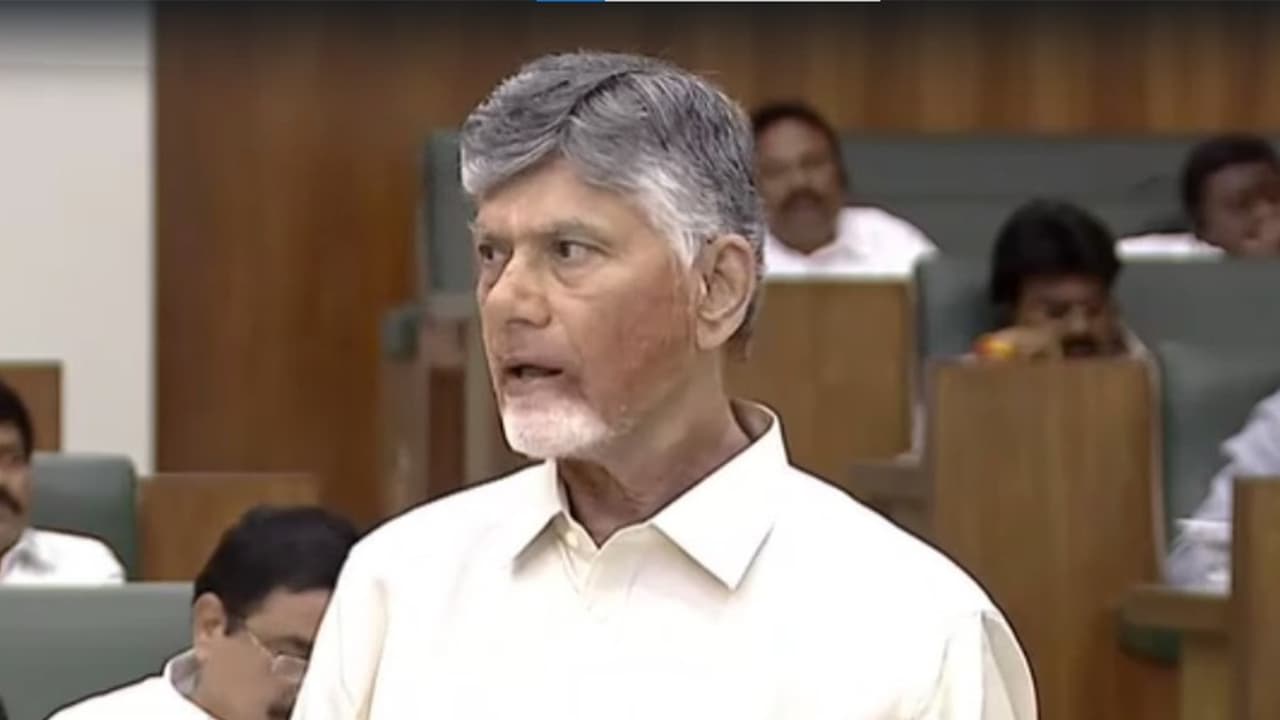
AP CM Chandrababu Naidu announced a new population policy offering Rs 25,000 for a second or third child. The move aims to boost the state's low TFR of 1.5, shifting focus from population control to care to ensure a strong demographic future.
Andhra Pradesh Chief Minister N Chandrababu Naidu said that the state government is considering a new population management policy that includes financial incentives to encourage families to have more children, announcing a proposed Rs 25,000 assistance at the time of delivery for parents who have a second or third child.

Speaking in the Andhra Pradesh Legislative Assembly, CM Naidu presented the state's proposed population management policy. He said that currently about 58 per cent of families have only one child, around 2.17 lakh families have two children, and nearly 62 lakh families have three or more children. He also noted that around three lakh families have only one child instead of two, while another three lakh families have more than two children. To address this, the government is proposing financial incentives for childbirth. Under the plan, parents who have a parents who have a second child or more will receive Rs 25,000 at the time of delivery.
Rationale to Boost Demographic Balance
The Chief Minister explained that the state's Total Fertility Rate (TFR) is currently 1.5, whereas the ideal level should be 2.1 to maintain demographic balance. He said that as economies grow, birth rates tend to decline, which can create workforce shortages and long-term economic challenges.
CM Naidu described the move as a major policy intervention to encourage population growth. He added that, "Currently, about 58 per cent of families have only one child, around 2.17 lakh families have two children, and nearly 62 lakh families have three or more children." He asserted, "Around three lakh families have only one child instead of two, while another three lakh families have more than two children."
A Shift to 'Population Care' and Ecosystem Support
While also posting about the proposed policy on X, CM Naidu wrote on the need to secure the state's "demographic future" with the policy now shifting focus from population control to population care. "A strong and youthful population is the foundation of long-term prosperity. Andhra Pradesh will introduce India's first-of-its-kind Population Management Policy, shifting the focus from population control to population care. With fertility declining sharply, we must act now to secure our demographic future," CM wrote on X.
Talking about the incentive, he added, "Our policy will support families through incentives including ₹25,000 for the third child, parental leave for mothers and fathers, and the Poshan-Shiksha-Suraksha package to ensure nutrition, education and protection for every child." The policy will focus on systems which enable families to thrive, including improving and building working women's hostels, childcare centres, maternal care centres and more.
"We are strengthening the ecosystem that enables families to thrive through working women hostels, childcare centres, pink toilets, and improved maternal care through Matrutva centres of excellence. Through our five-pillar life-cycle framework: Matrutva, Shakti, Naipunyam, Kshema and Sanjeevani, we will ensure support from safe motherhood to skilling, healthy ageing and integrated public health delivery for every citizen," the post read.
A Shift in Stance on Population Growth
Last year in March, CM Naidu called for a shift in thinking on population growth, arguing that India must utilise its demographic advantage to sustain economic growth and global competitiveness.
"I am changing my views and promoting population now. India is one country with the biggest advantage in the demographic dividend. If we can manage demographic dividend for the future, India and Indians will be great..." CM Naidu had said. In July, CM Naidu had said his government would launch a policy to encourage couples to have more children. (ANI)
(Except for the headline, this story has not been edited by Asianet Newsable English staff and is published from a syndicated feed.)