From 'Smart' to 'Stress'? Why UP's Prepaid Meters Sparked Public Anger
UP's prepaid smart meter rollout has triggered protests over high bills, faulty readings, forced installations and power cuts. Villagers and city residents have taken to streets, demanding return to old meters. Govt has paused rollout, ordered review
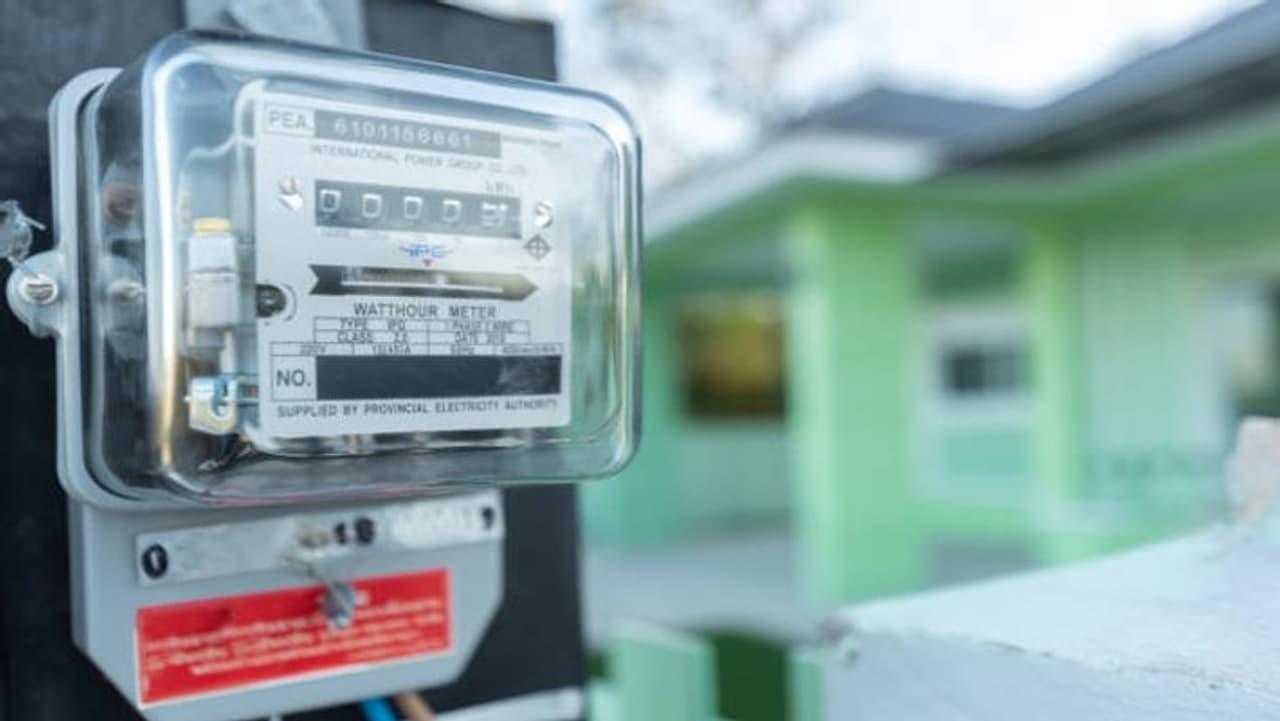
Uttar Pradesh's smart meters: A big reform that ran into trouble
Uttar Pradesh has been trying to modernise its electricity system by installing prepaid smart meters. These meters were meant to make billing easier, reduce power theft and help people track their electricity use in real time.
But instead of smooth change, the rollout has led to anger, confusion and protests across many districts. People have complained about high bills, faulty readings, power cuts and poor service. The issue has now become serious enough that the state government has paused the rollout and ordered a review.
This explainer breaks down what went wrong, what people are saying, and what the government is doing now.
What are prepaid smart meters?
A prepaid smart meter is like a mobile recharge system for electricity. Consumers must add money in advance to keep using power. The meter shows real-time usage and balance through an app or SMS alerts. The idea behind this system is simple:
- No monthly bills or surprises
- Better control over electricity use
- Less power theft
- Faster payments for power companies
In theory, it sounds useful. But in practice, many users in Uttar Pradesh say it has not worked as promised.


What problems are people facing?
Across districts like Lucknow, Kanpur, Jalaun, Aligarh and Noida, people have raised several complaints.
1. Sudden spike in electricity bills
- Many consumers say their bills increased sharply after smart meters were installed. Some reported that:
- Bills that were earlier ₹700-₹800 jumped to ₹7,000-₹8,000
- Charges did not match actual usage
- They could not understand how units were calculated
This has created fear and mistrust among users.
2. Meters installed without consent
Another major issue is forced installation. Residents say:
- Old meters were replaced without asking them
- Officials installed new meters during routine checks
- Consumers were not given proper information
This has raised concerns about consumer rights and choice.
3. Power cuts despite positive balance
Some users reported losing electricity even when they had money left in their account. Others said:
- Power was cut for small negative balances
- Disconnections happened suddenly without warning
This defeats the purpose of a prepaid system, where people expect control over their usage.
4. App and technical issues
The system depends heavily on digital tools like apps and SMS alerts. But users say these tools are not reliable. Common complaints include:
- The app does not update usage properly
- Balance information is delayed or wrong
- Recharges do not reflect immediately
These glitches have made the system confusing, especially for people who are not comfortable with technology.
Protests break out across districts
As complaints increased, protests began in several parts of the state.
Jalaun: meters thrown on streets
In Jalaun district, villagers protested strongly:
- Smart meters were removed and thrown on roads
- People blocked roads
- They claimed bills rose sharply after installation
Police later booked over 70 people after clashes, according to a report by Aaj Tak.
Aligarh: officials chased away
In Aligarh:
- Women surrounded a power department officer
- They accused the department of cheating and wrong billing
- The officer had to leave the spot due to public anger
Noida and Lucknow: mass protests
In urban areas like Noida and Lucknow:
- Residents blocked substations
- Women, elderly people and children joined protests
- People demanded a return to old postpaid meters
Local leaders also supported these protests, saying people were unhappy with the new system.
The meter of the anger of UP's public is running high against the electricity scam being run in the name of smart meters, because they have realized that the real reason behind unnecessarily high meter readings and skyrocketing electricity bills is BJP's corruption. The public… pic.twitter.com/BYH49yBNfn
— Ambedkarwadi (@ambedkarwadi_X) April 20, 2026
Why the government pushed smart meters
Despite the backlash, the state had strong reasons to introduce prepaid smart meters.
Part of a national reform plan
The rollout is linked to the Revamped Distribution Sector Scheme (RDSS), a central government programme aimed at improving power supply. Goals of the scheme include:
- Reducing power theft
- Cutting financial losses Improving billing efficiency
- Modernising electricity systems
Large-scale rollout in Uttar Pradesh
According to a report by India Today, the state planned a massive change:
- Around 3.5 crore old meters to be replaced
- Over 78 lakh smart meters already installed
- More than 70 lakh working in prepaid mode
New connections have been given prepaid meters since September 2025.
Expected benefits
Officials believed smart meters would:
- End billing disputes
- Give real-time usage data
- Reduce electricity theft
- Remove need for security deposits
In other states like Bihar and Assam, reports suggest the system has helped improve revenue and reduce losses.
What changed after protests?
As protests grew stronger, authorities were forced to act.
Regulator steps in
The Uttar Pradesh Electricity Regulatory Commission (UPERC) took notice of complaints. It asked the state power company to:
- Submit a detailed report
- Explain billing issues and complaints
- Check if rules were followed
The report must be submitted within 10 days.
Government pauses rollout
The state government has now:
- Stopped replacing existing meters
- Paused the rollout temporarily
- Allowed review of the system
However, new electricity connections will still get prepaid meters.
Technical committee formed
A four-member expert team has been set up to study the issue, according to an Indian Express report. It includes experts from:
- IIT Kanpur
- ERDA Vadodara
- State power corporation
The committee will:
- Check meter accuracy
- Review billing systems
- Study complaints
Its report is expected within 10 days.
Relief measures announced for consumers
To reduce stress for consumers, the government has announced several relief steps.
1. Power even after balance runs out
Consumers will still get electricity:
- For up to 3 days after balance ends
- Or until ₹200 usage for small connections
2. No disconnection for 45 days (new meters)
New users will get:
- 15 days conversion period
- 30 extra days without disconnection
This gives time to understand the system.
3. SMS alert system
A new alert system will warn users at different stages:
- When balance reaches 30%
- When it drops to 10%
- When balance becomes zero
- One day before disconnection
- After disconnection
4. No cuts on holidays
Electricity will not be disconnected:
- On Sundays
- On public holidays
Officials say this is to ensure a more humane approach.
5. Better complaint system
The government has improved support services:
- Toll-free number 1912
- UPPCL website
- WhatsApp chatbot
- Local contact numbers
Officials have been told to track complaints daily and fix issues quickly.
6. Awareness campaign
A public awareness drive has been launched:
- Information about smart meters
- FAQs to clear doubts
- Guidance on using the system
What did the government say?
Earlier on April 3, the Union Power Minister, as mentioned by a Times of India report clarified an important point. He said, smart meters are optional and consumers cannot be forced to install them. They are meant to give benefits, not create pressure.
This statement added weight to complaints about forced installations.
Why trust has become a big issue
Even though smart meters promise benefits, the biggest challenge now is trust. People are worried because:
- Bills appear unpredictable
- Technology is not working smoothly
- They feel forced into the system
- Complaints are not resolved quickly
For many families, electricity bills are a major expense. Any sudden increase creates stress and anger.
Lessons from other states
Some states have seen better results with smart meters.
Bihar
- Reported improved billing
- Used AI to detect power theft
- Generated extra revenue
Assam
- Installed over 50 lakh smart meters
- Saved large amounts in electricity costs
- Improved billing accuracy
These examples show that the system can work, but only if implemented properly.
The future of prepaid smart meters in Uttar Pradesh depends on the findings of the technical committee. Key questions include:
- Are the meters accurate?
- Is billing transparent?
- Are apps and systems reliable?
- Are consumers being treated fairly?
If these issues are fixed, the rollout may continue. If not, the government may need to rethink its approach.
The bigger picture
The smart meter issue is not just about technology. It is about how reforms are carried out. For any big change to succeed:
- People must trust the system
- Technology must work smoothly
- Communication must be clear
- Consumer rights must be respected
Without these, even good ideas can fail.
The prepaid smart meter plan in Uttar Pradesh started as a major reform to improve power supply and reduce losses.
But on the ground, it has led to confusion, complaints and protests.
The government has now paused the rollout and offered relief to consumers. The next steps will depend on the technical review and how quickly problems are fixed.
(With inputs from agencies)
Stay updated with the Breaking News Today and Latest News from across India and around the world. Get real-time updates, in-depth analysis, and comprehensive coverage of India News, World News, Indian Defence News, Kerala News, and Karnataka News. From politics to current affairs, follow every major story as it unfolds. Get real-time updates from IMDon major cities weather forecasts, including Rain alerts, Cyclonewarnings, and temperature trends. Download the Asianet News Official App from the Android Play Store and iPhone App Store for accurate and timely news updates anytime, anywhere.