
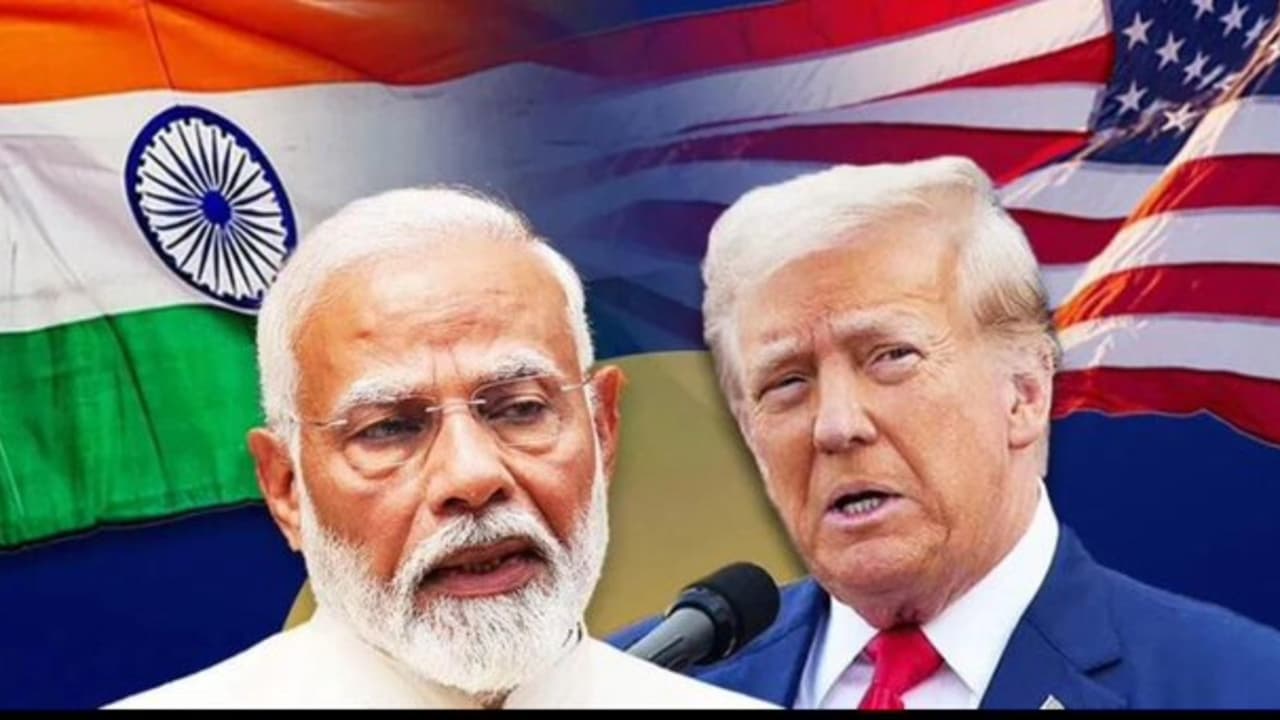
The United States has placed India on its “Priority Watch List” for intellectual property rights (IPR) in the latest Special 301 Report. The USTR cited concerns over weak IPR protection and enforcement, including patent delays, piracy, and counterfeiting.
The United States has once again placed India on its “Priority Watch List” for intellectual property rights (IPR), flagging concerns over the country’s protection and enforcement mechanisms. The designation comes as part of the 2026 Special 301 Report released by the Office of the United States Trade Representative (USTR), which evaluates how trading partners safeguard patents, copyrights, and trademarks.

India is among six countries on this year’s priority list, alongside China, Chile, Indonesia, Russia, and Venezuela. The classification signals that the US sees “serious” issues in India’s intellectual property ecosystem, particularly affecting American businesses and innovators. Countries placed in this category are subject to increased scrutiny and closer bilateral engagement with Washington.
The “Priority Watch List” is part of the broader Special 301 framework under US trade law. It highlights nations where the US believes intellectual property protection is inadequate or enforcement is weak. Being on this list does not automatically trigger sanctions, but it can lead to trade pressure, investigations, or negotiations aimed at reform.
According to the report, longstanding concerns in India include delays in granting patents, inconsistent enforcement of IP laws, and challenges faced by foreign companies in securing fair market access. Issues such as piracy, counterfeiting, and regulatory uncertainties have also been cited as areas needing improvement.
Also Read:
The USTR has previously described India as one of the “most challenging major economies” when it comes to IP protection and enforcement, underlining persistent gaps despite some progress. While acknowledging improvements in awareness and engagement, the US continues to push for stronger legal frameworks and more consistent implementation.
For India, the inclusion on the list has both economic and diplomatic implications. It could influence ongoing trade negotiations with the US and shape discussions around tariffs, market access, and regulatory reforms. Analysts note that the designation may also impact investor sentiment, particularly in sectors reliant on intellectual property such as pharmaceuticals, technology, and entertainment.
However, India has consistently maintained that its IPR regime is compliant with global standards, including commitments under the World Trade Organization’s TRIPS agreement. The government has also taken steps in recent years to streamline patent processes and strengthen enforcement mechanisms, though the US believes more needs to be done.
Ultimately, the latest report underscores continuing differences between the two countries on intellectual property norms. While the designation does not impose immediate penalties, it places India under heightened scrutiny and signals that IP rights will remain a key issue in bilateral ties. As both nations deepen economic engagement, addressing these concerns could become central to future trade agreements and policy reforms.
Also Read:
